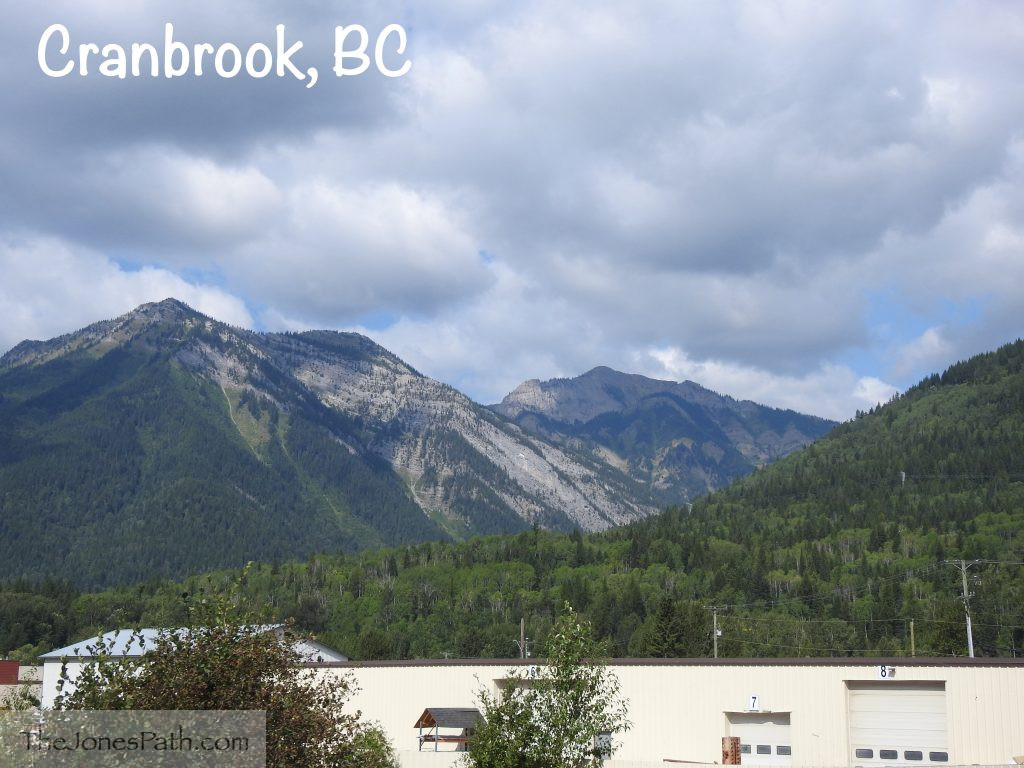
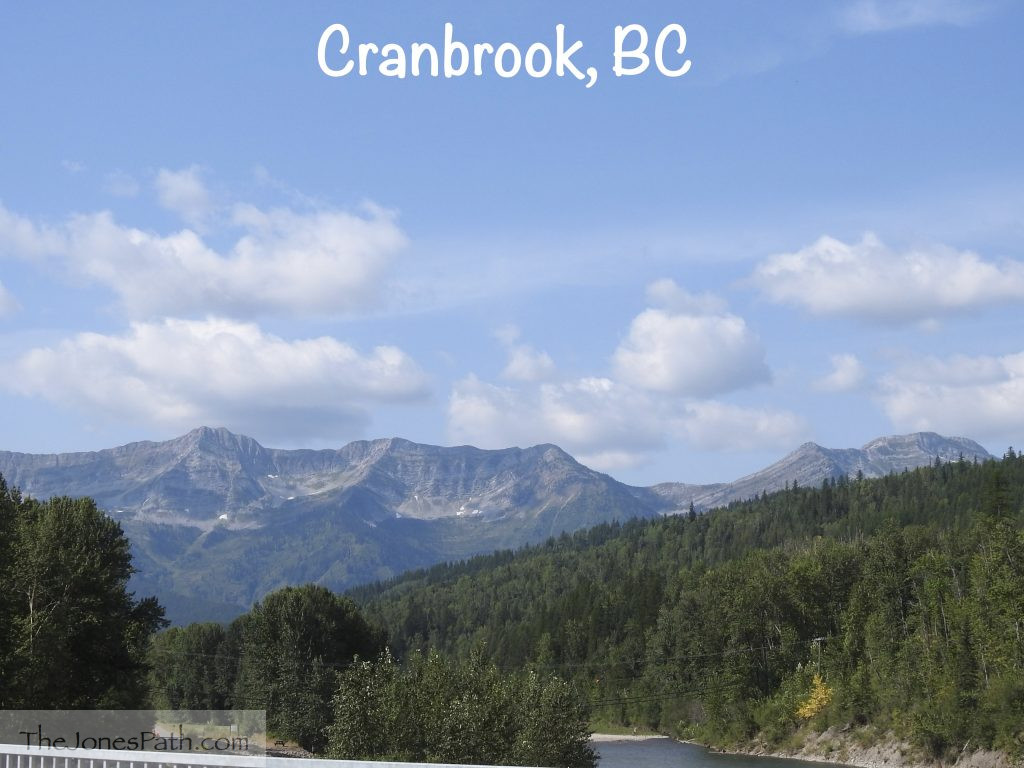
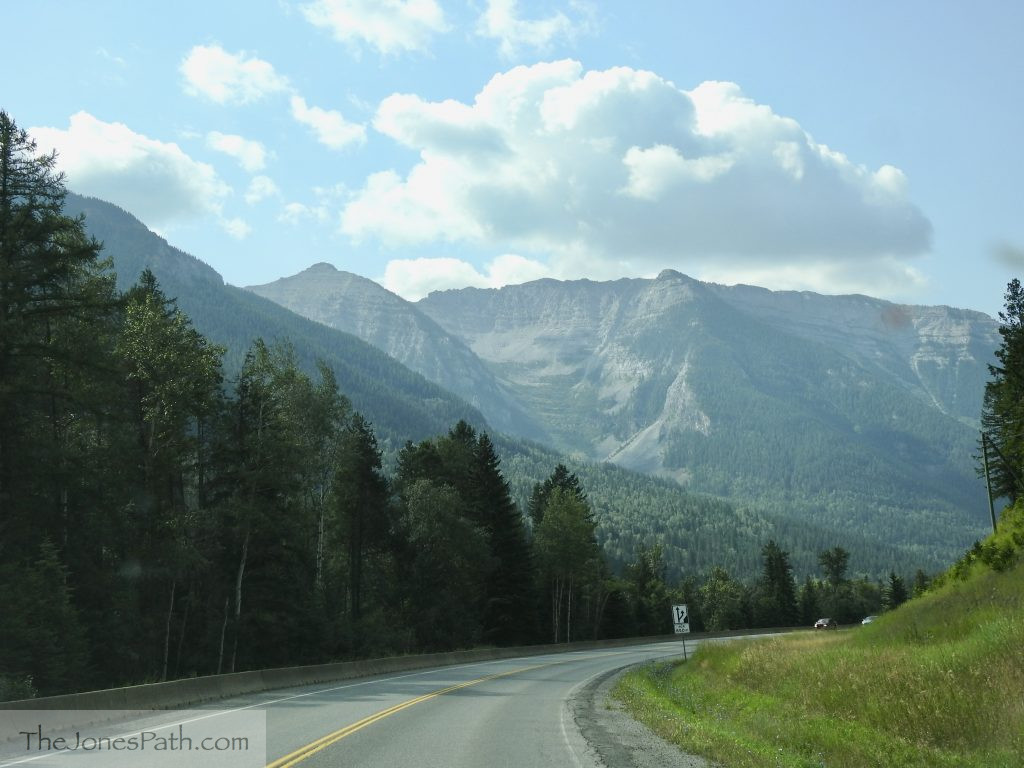
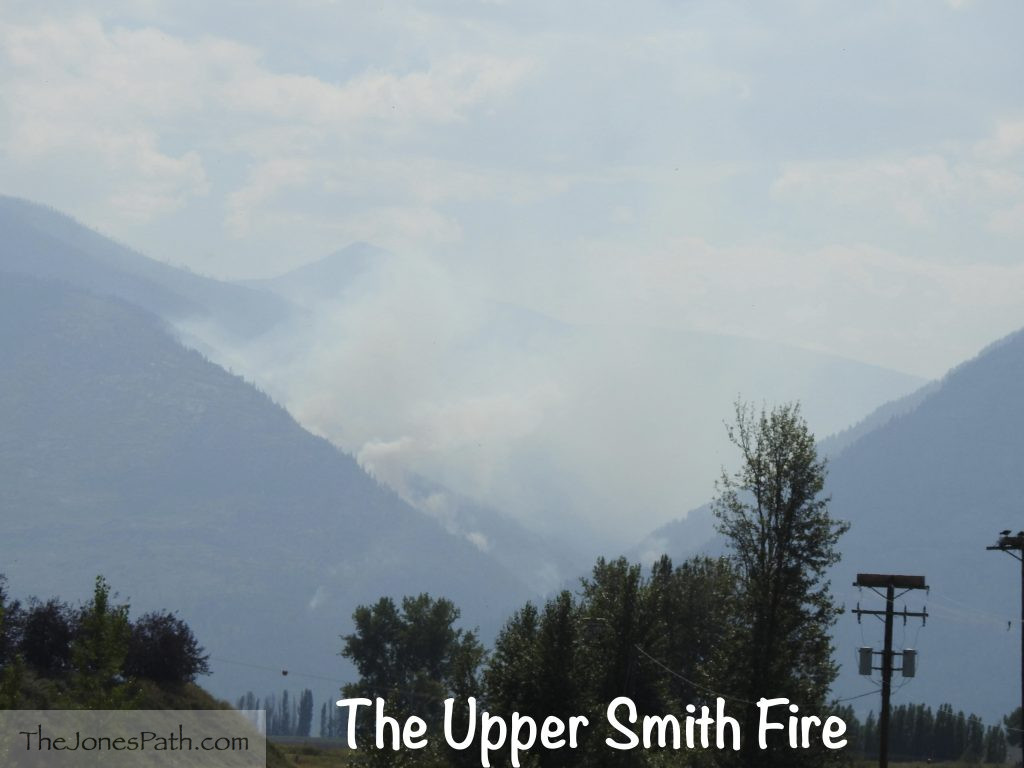
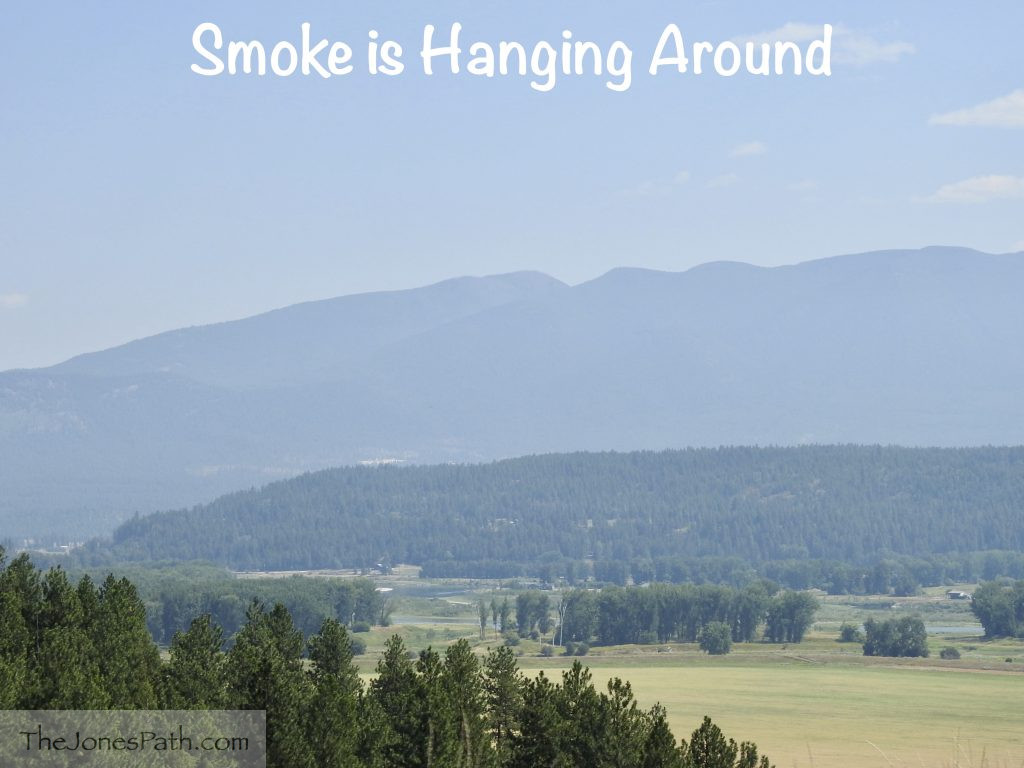
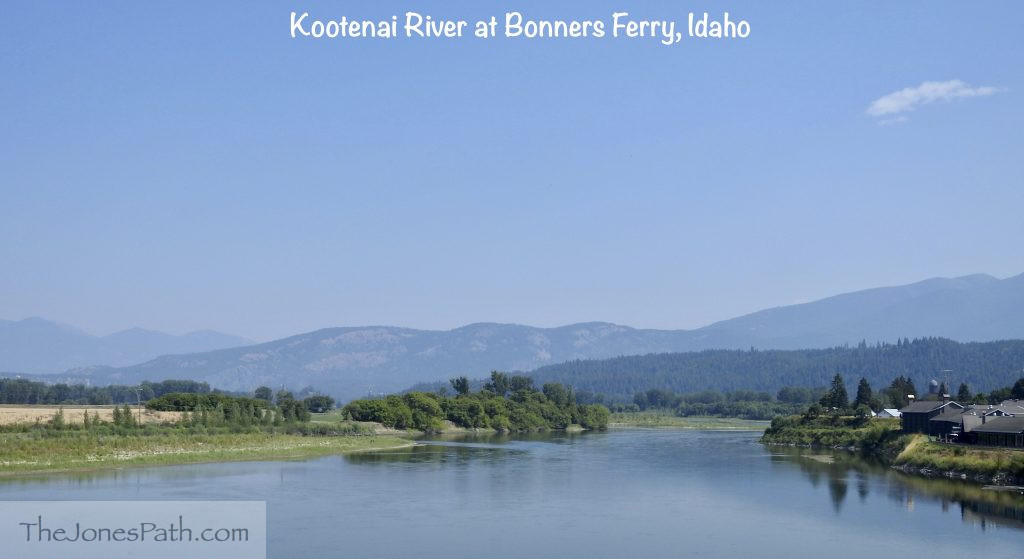
On Monday, August 3, the drive was going to be fairly short, so we hung around the campground until about 10:30 AM. Then we headed southwest on BC-3 down through Fernie and Elko, then caught BC-93 over to Cranbrook. There we stopped for lunch at Boston Pizza, where our pastas were both pretty good and enough for several meals. We had a little time to kill to hit reasonably close to check-in at the next park, so we picked up a few things at the drugstore and wandered around a bit. Afterwards we continued on BC-3 through Moyle, Curzon, and all the way to Creston. There we took Erickson Road to BC-21 south. The entire drive to the border was along the mountain range, which is beautiful. We started out with clear skies and very little smoke, but after lunch we could smell it in the air. It was definitely getting worse. As we approached Idaho, there was an active fire on the side of the mountains to the west, the Upper Smith Fire, which had been burning for almost a month. So far it is confined to the mountain and not threatening anything. If it continues in its current direction, fire-fighting efforts should be helped out by Smith Creek, which crosses the path at the base of the mountain. (There was a community meeting to discuss the fire while we were in Bonners Ferry, and as I write this, the reports are that it is 40% contained and hasn’t grown in the last 24 hours. I recently found out that, when they talk about the percentage of containment, it is referring to how much of the overall area is surrounded by break lines or other barriers to it spreading.) Crossing back into the United States took almost 2 whole minutes! They asked for our passports and truck registration and whether we had any eggs, fresh produce, plants, or raw meat purchased in Canada or guns, tobacco, drugs and firearms aboard. After a quick computer check, he welcomed us back and sent us on our way. The last leg of the drive was south on ID-1 and then US-95 south straight into Bonners Ferry, Idaho. We were surprised that, despite a lot of animal crossing warnings, we didn’t see any animals except for osprey along this drive. We did see a lot of traffic, though, until we turned south out of Creston. It was the end of a holiday weekend in Canada, so maybe a lot of folks were heading home. We got Priscilla set up at North Haven Campground right in town, then relaxed for the evening.


Our stop in Bonners Ferry was mostly relaxing. Tuesday we went to Mugsy’s Tavern & Grill downtown (good food but a VERY slow kitchen), then walked around the downtown shops. There was a brand new self car wash right next door to the campground that had room for vehicles of all sizes, so Wednesday morning we took Big Jake over for a much-needed bath. Afterwards we picked up a bagel for me and coffee for Mr. Wonderful (MW) from Homestead Coffee Company, which shares a parking lot with the carwash. Later we headed over to take a look at the 3 Mile Antique Mall (named for the road, not the size). Aside from those things, I spent time writing and working on the printed book for 2021.

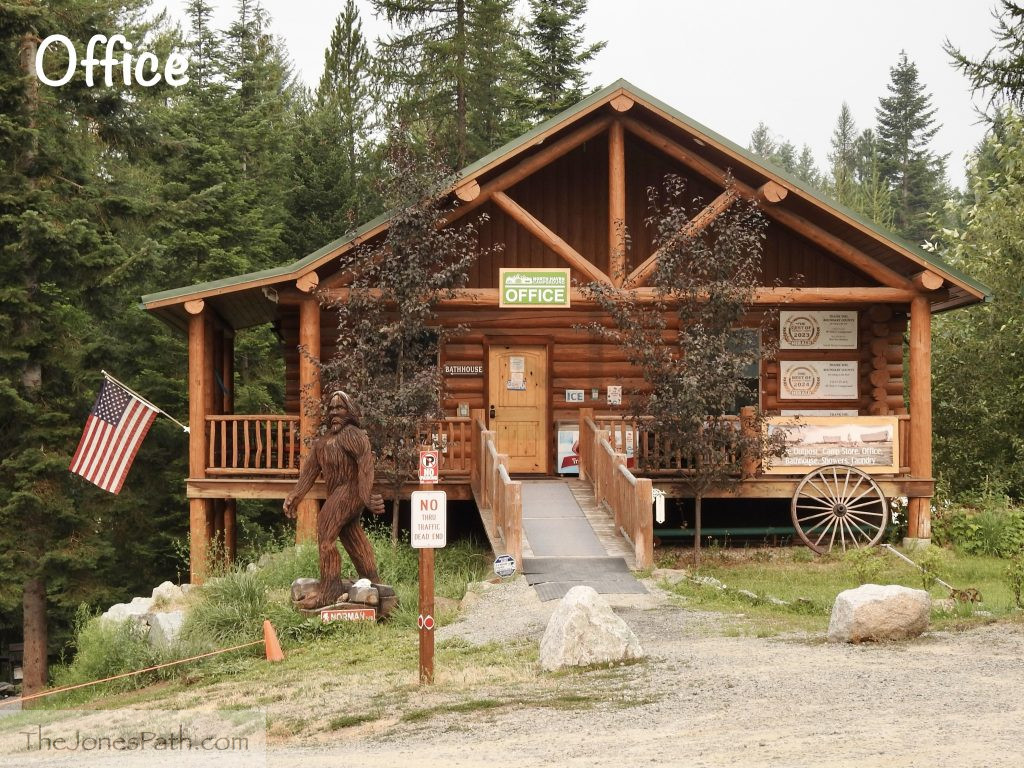
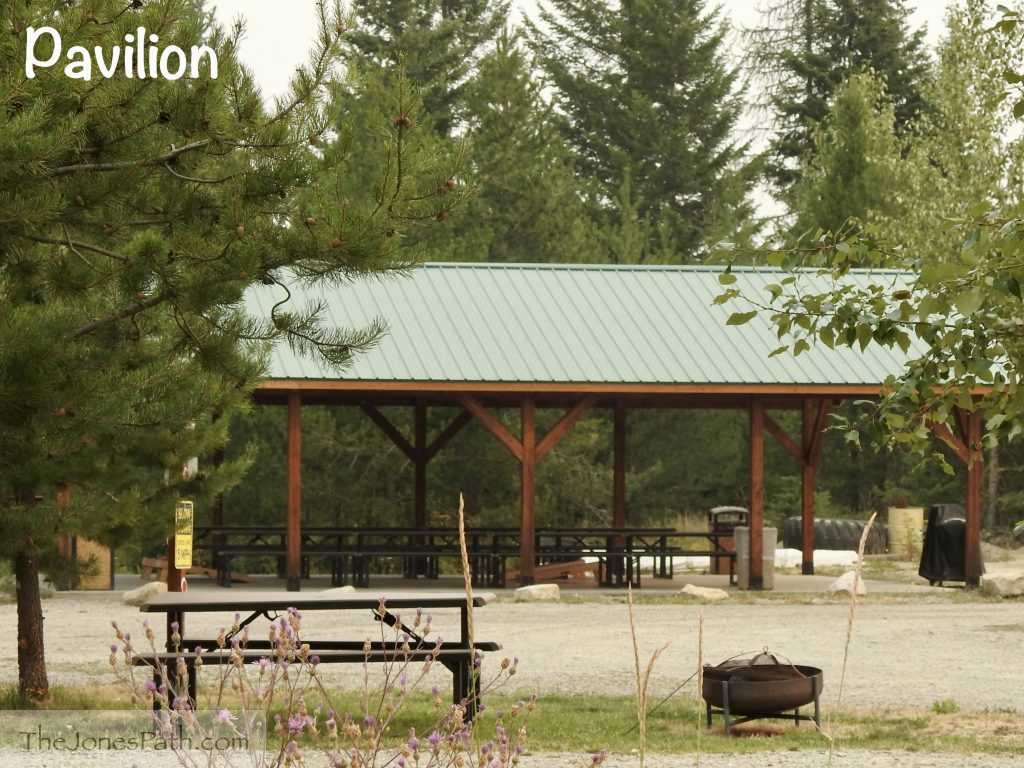
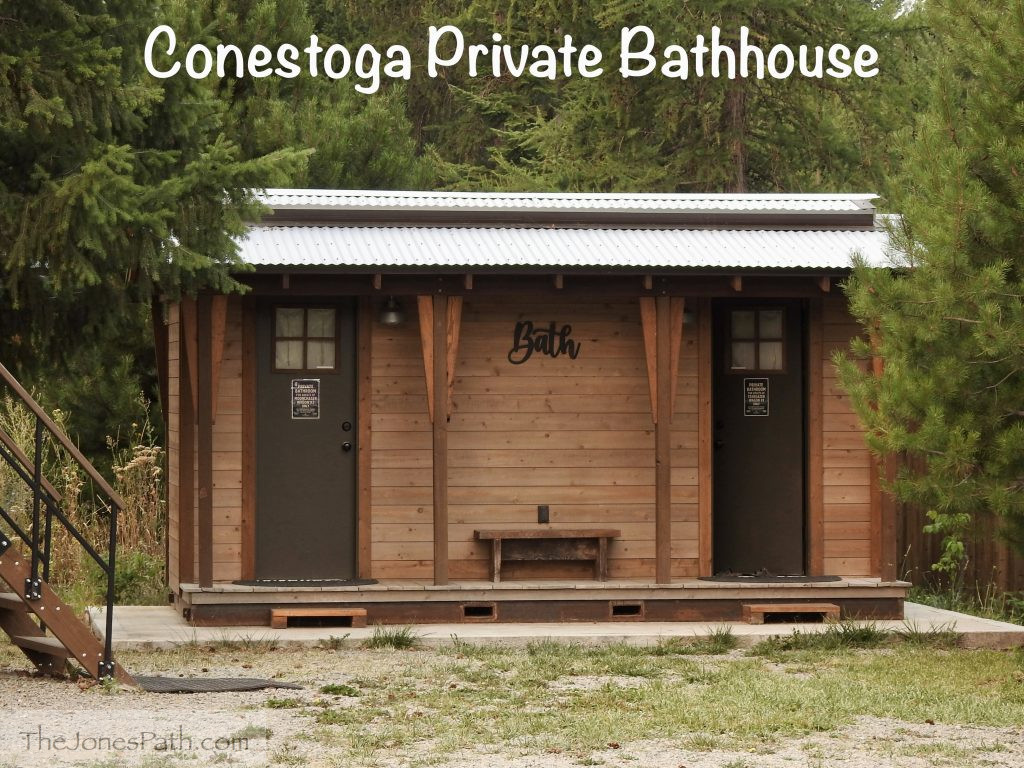
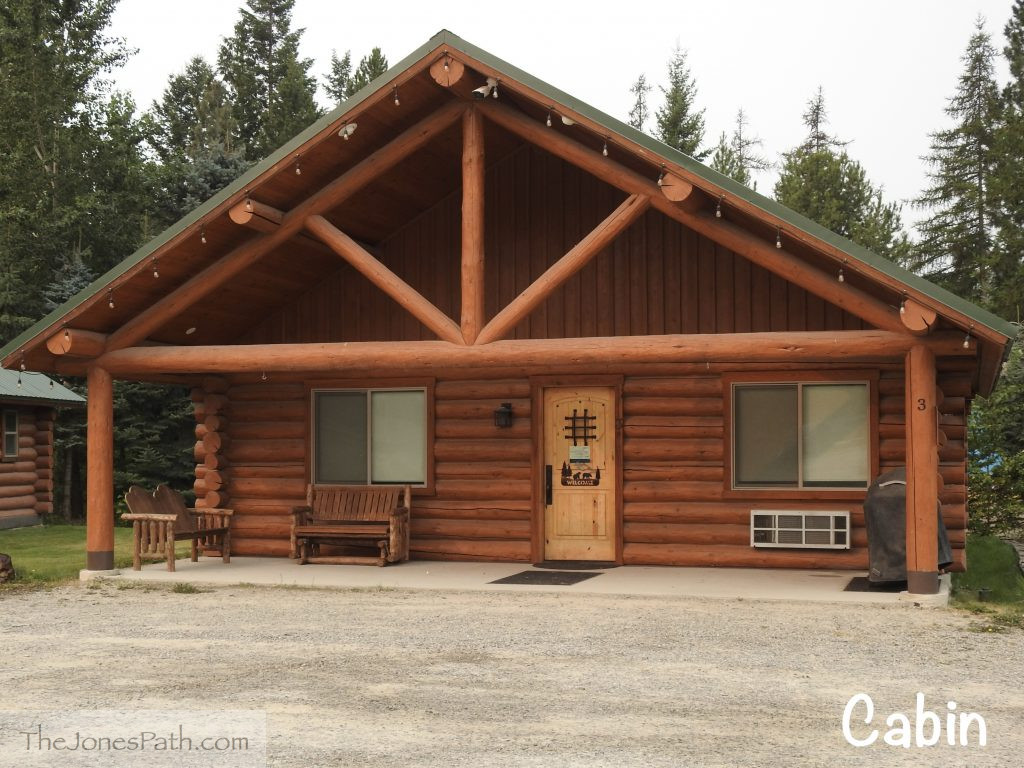
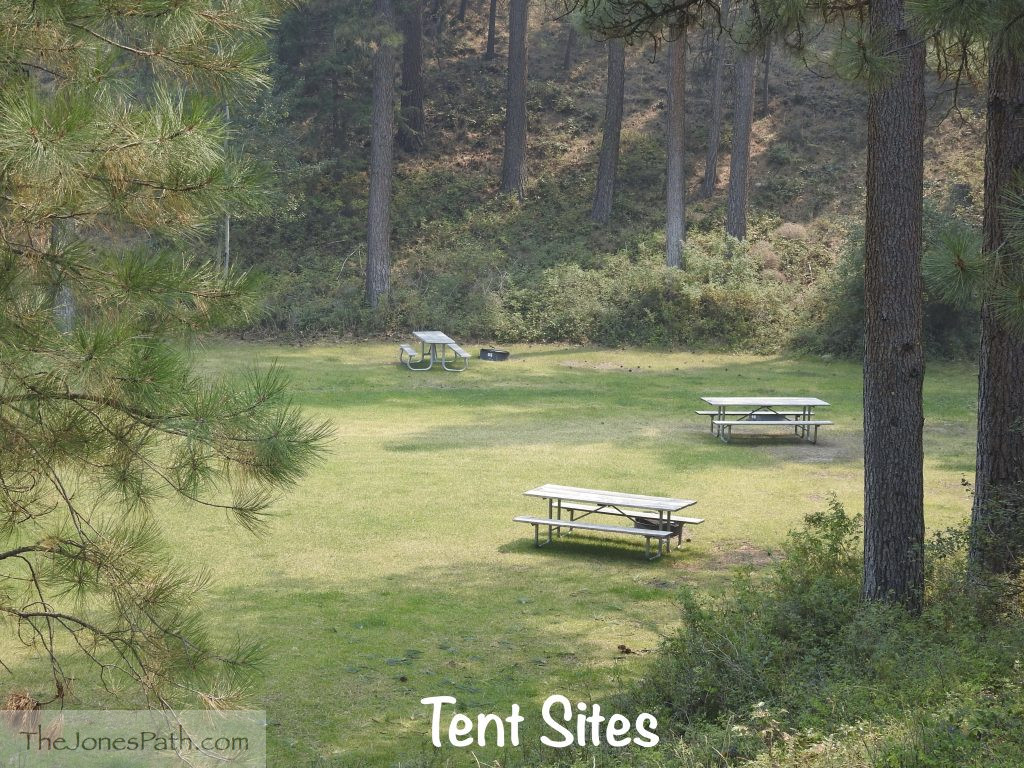
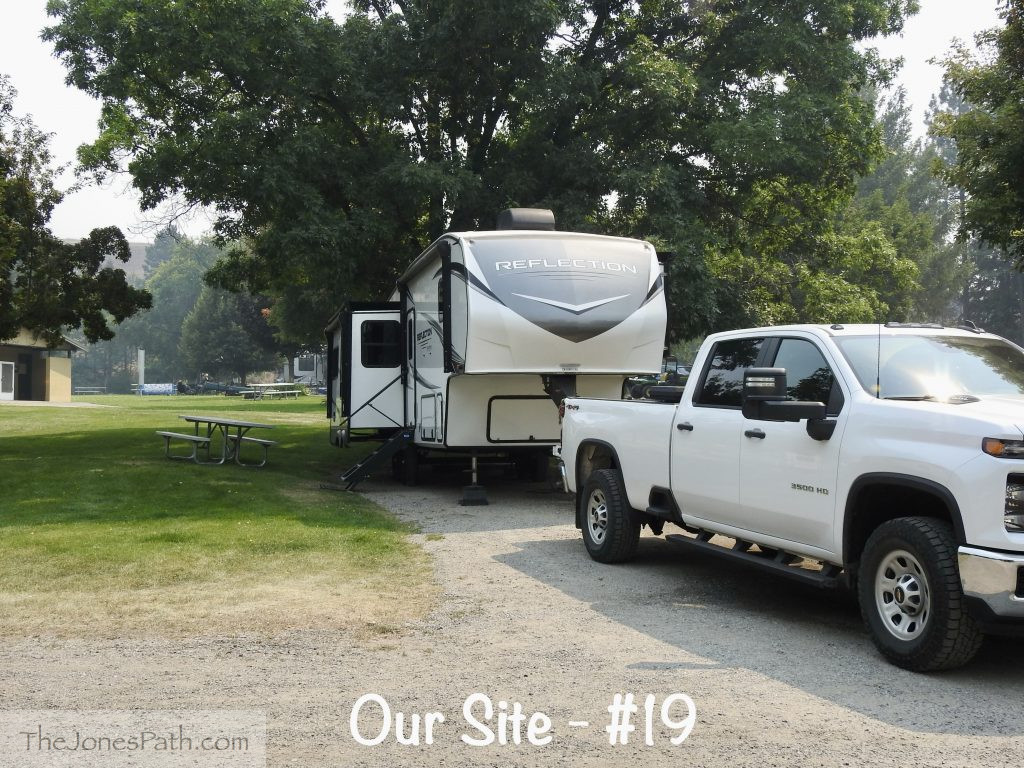
North Haven Campground is a year-round, private park located a couple of miles north of Bonners Ferry, Idaho, in the panhandle. Amenities include an office with camp store, laundry, playground, pavilion, hot tub, bathhouse, and wifi. Visitors can stay in a cabin, a tipi, a Conestoga wagon, or camp sites. The latter include 10 full-hookup, 50-amp, pull-thru, 11 water & 50-amp electric only, and 5 primitive tent, all with picnic tables and fire rings. We were not particularly enamored with the site they put us in as it was fairly short and at an odd angle to the neighbor’s site and vehicle, but we really did like the campground. The owner was constantly cleaning and/or maintaining various aspects of the park and was clearly interested in providing a good experience. There was a minimal amount of road noise, but not too bad as it is on a side road off of the larger highway. A nice little coffee place and the carwash large enough for your RV are both right next door. It is a little pricey, but we would definitely stay here again. For this visit in August 2026, we paid just under $75 per night for a 50-amp, full-hookup, pull-thru site.



Thursday we pulled out of the campground about 8:45 AM to the car wash next door to give Priscilla a good bath. That took about 45 minutes, then after changing clothes in the RV, we hit the road taking US-2 south through Kootenai, Sand Point, Dover, and Priest River. At Oldtown we made a quick stop for groceries, then passed through Newport and crossed into Washington. WA-20 then took us to Cusick, where we stopped for lunch at Wetlands in the Kalispel Casino, where the service was very slow (possibly due to someone calling out) but the food was excellent. (MW had a burger that was huge, hand-pattied, and very fresh-tasting, and I had the pulled pork slider appetizer with three that were each big enough for a meal for me!) Back on the road we continued on WA-20 through Tiger and Kettle Falls to just east of Republic, Washington, then took WA-21 up to Curlew Lake State Park, arriving about 3:30 PM. Our entire route was a scenic drive, which would have been more spectacular without the ever-increasing smoke. Saw one deer, more than two dozen turkeys in multiple groups, and plenty of the ever-present osprey.
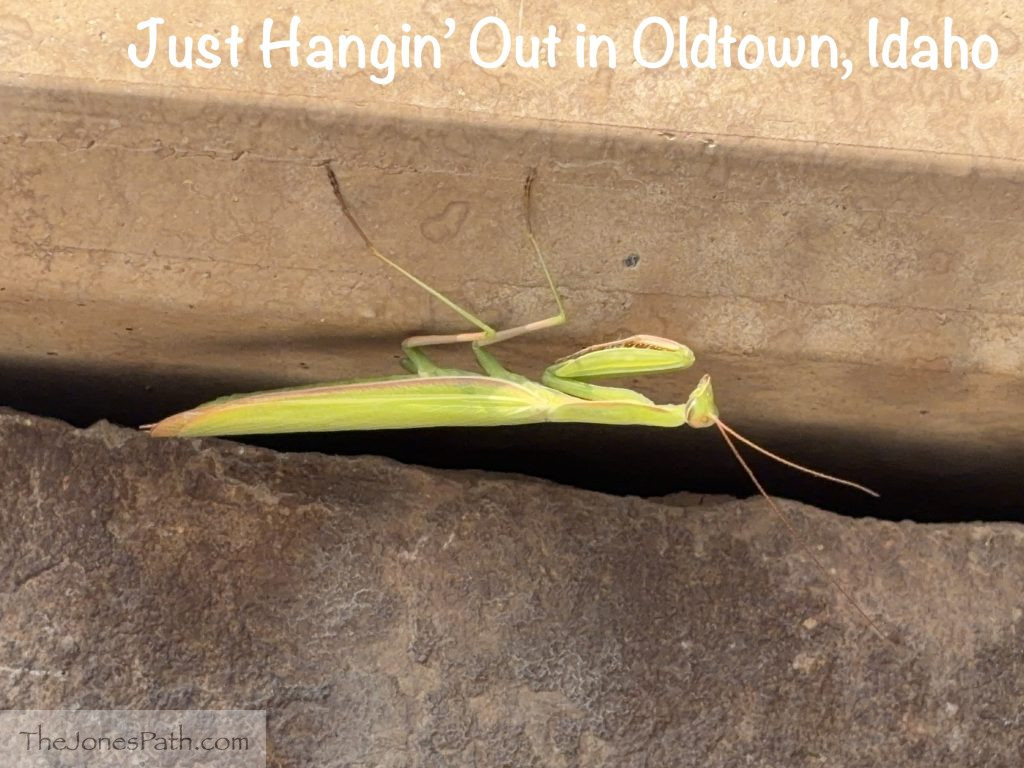

Friday I woke up groggy after a really rough night. I had trouble getting to sleep, so moved to the couch about 11:30 PM. In the wee hours something fell on the roof, probably an acorn, but in my stupor it sounded like something fell off of the counter in the trailer. Then I heard what sounded like a kangaroo rat hop-hop-hopping around, which fit my mental narrative. (Yes, I know exactly what that sounds like, because we’ve had that particular visitor in the past!) First thought…are there kangaroo rats in Washington? I sat up to look around and was immediately attacked about the head and shoulders by something. I was flinging covers, reaching for my glasses, and leaping up all at the same time. It’s a wonder I didn’t trip over the ottoman and break my neck. Mind you, I did all of that without yelling out so as not to wake MW. (I know, I’m a good wifey.) I finally got to a light switch preparing to mount a defense as soon as I knew the nature of the enemy. I saw nothing. No rat or mouse, nothing askew on the counters, NOTHING! Then, I did. There, acting all innocent and trying to blend in on the shade, sat a large moth! And I KNOW that HE KNEW that I couldn’t go after him, because those shades make a lot of noise. I muttered a bit, then tried to return to slumber, which took a while with my heart rate elevated from the gymnastics. Then, at about 6:05 AM, one of the neighbors set off their car alarm. Seriously??!!?? He/she got it turned off quickly, and I had just enough time to begin to doze again before IT HAPPENED AGAIN!!! Same car. At that point there was no use in even attempting sleep again as, I must admit, I was very cranky. MW, who is almost always awake by that time, wasn’t sure which neighbor it was, and I told him that, if it happened again, he needed to pay attention so that I don’t head out and smack the wrong person. Now would I really do that…probably not. Was I irritated enough to consider it…you betcha! I figured there surely must be some reason I needed to be up at the crack of flippin’ dawn, but I’ll be darned if one presented itself.
After relaxing for a good bit of the morning, I headed out about 11 AM to take care of the laundry in Republic, Washington, about 15 minutes away. Although no laundromats showed up on Apple Maps, MW talked to the owner of a B&B in the area who said there were two and gave him directions. I stopped at the first one on my route, which was awful…unclean, lots of machines broken, no change machine. Thankfully, the second one was much better. After finishing the chore, I stopped in at Steve-O’s for a sandwich (excellent and HUGE Italian, half of which went home to MW) and a place to write. (Cell signals in this area aren’t great, but it was a little better in town.)
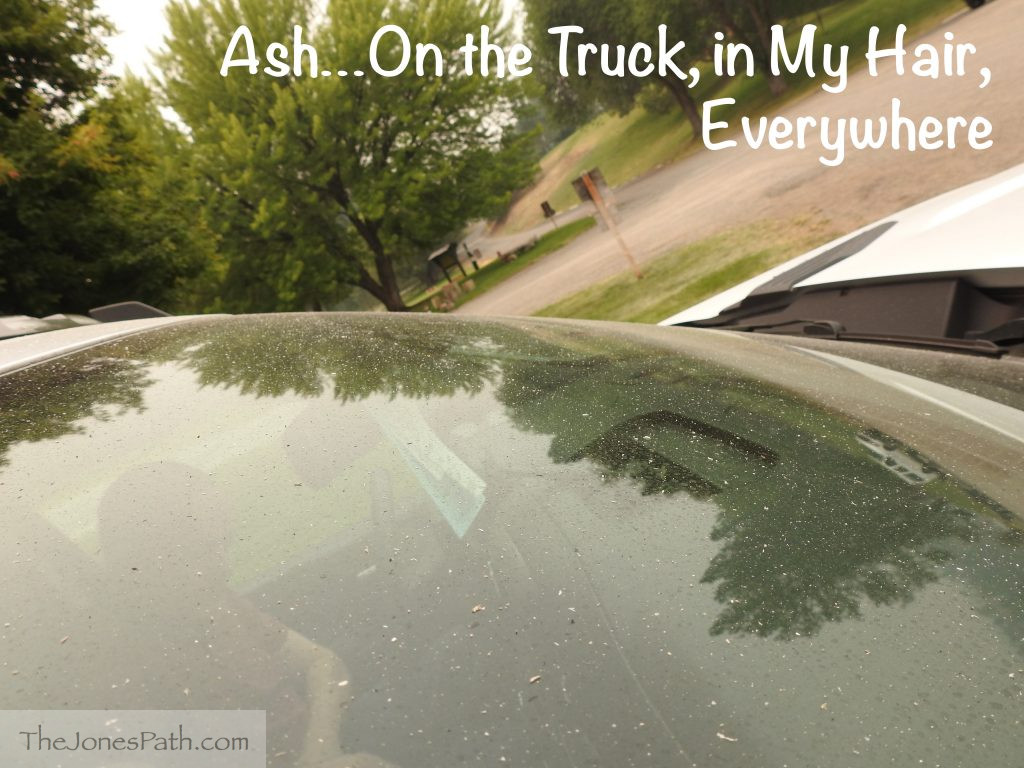
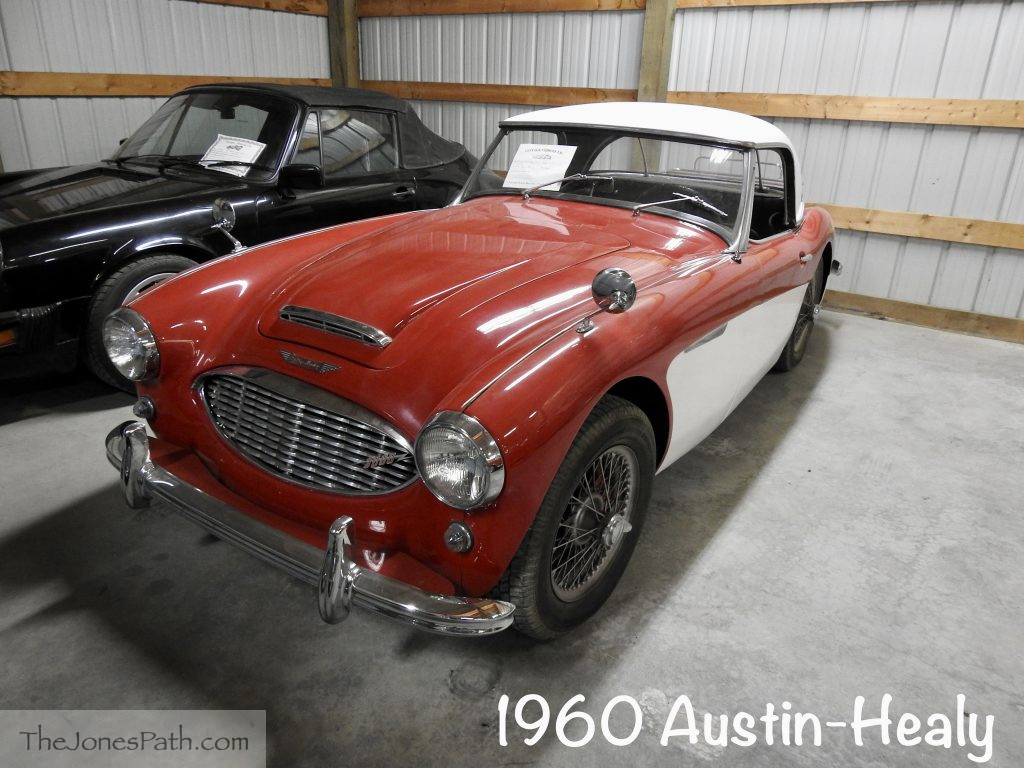
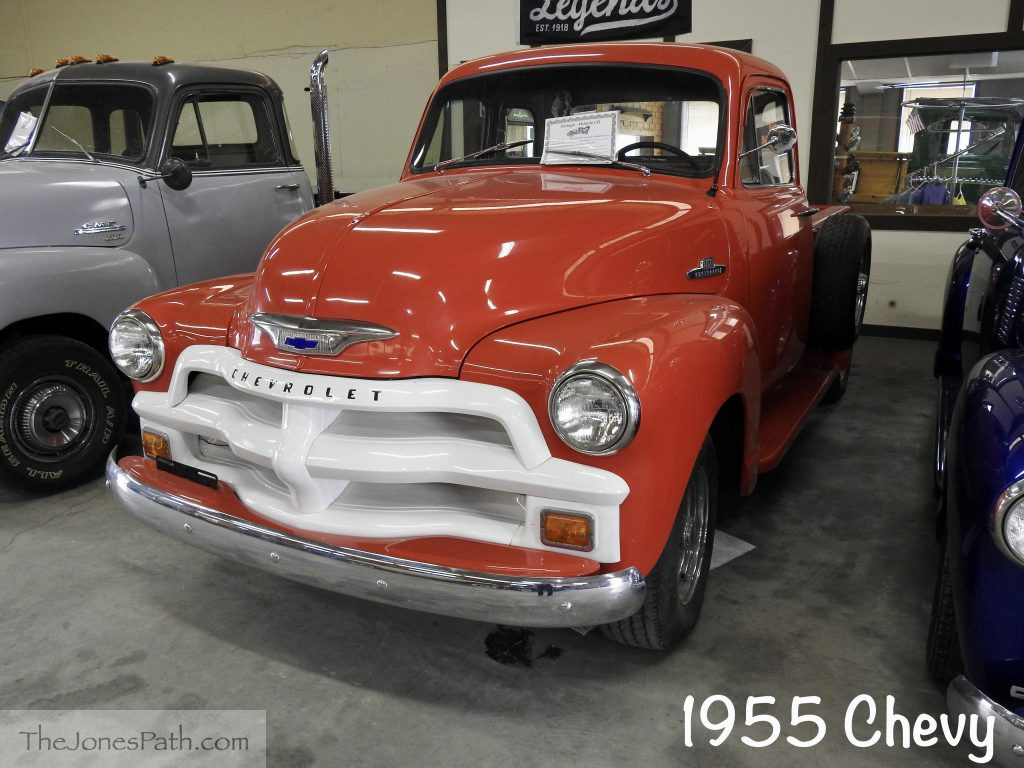
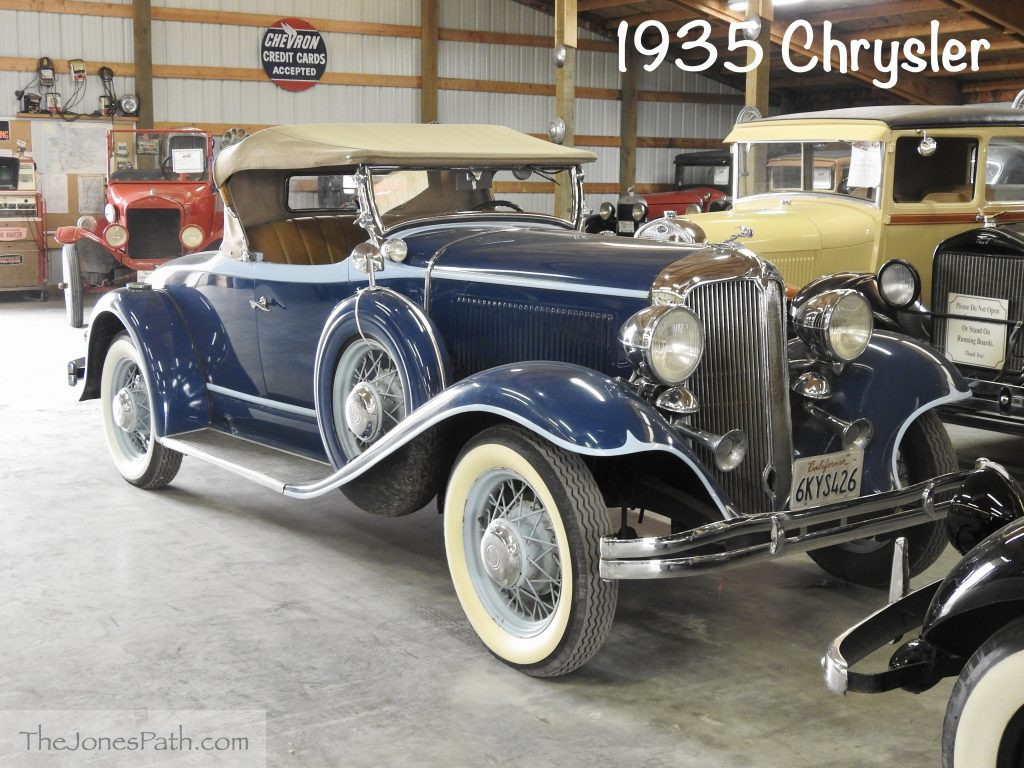
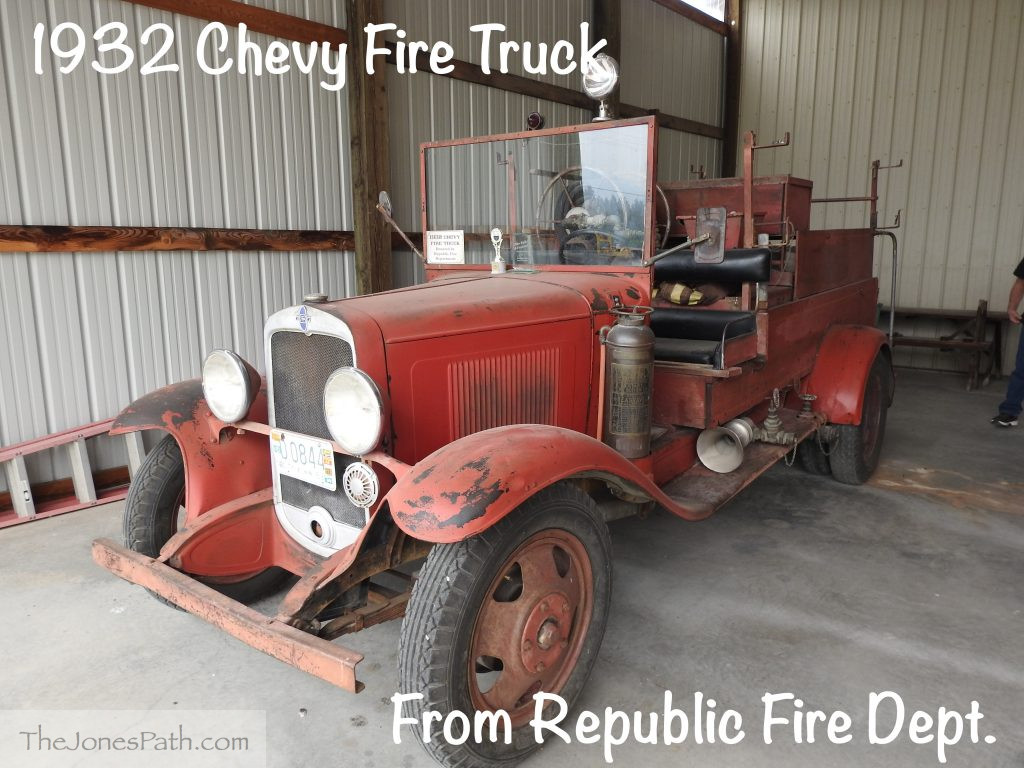
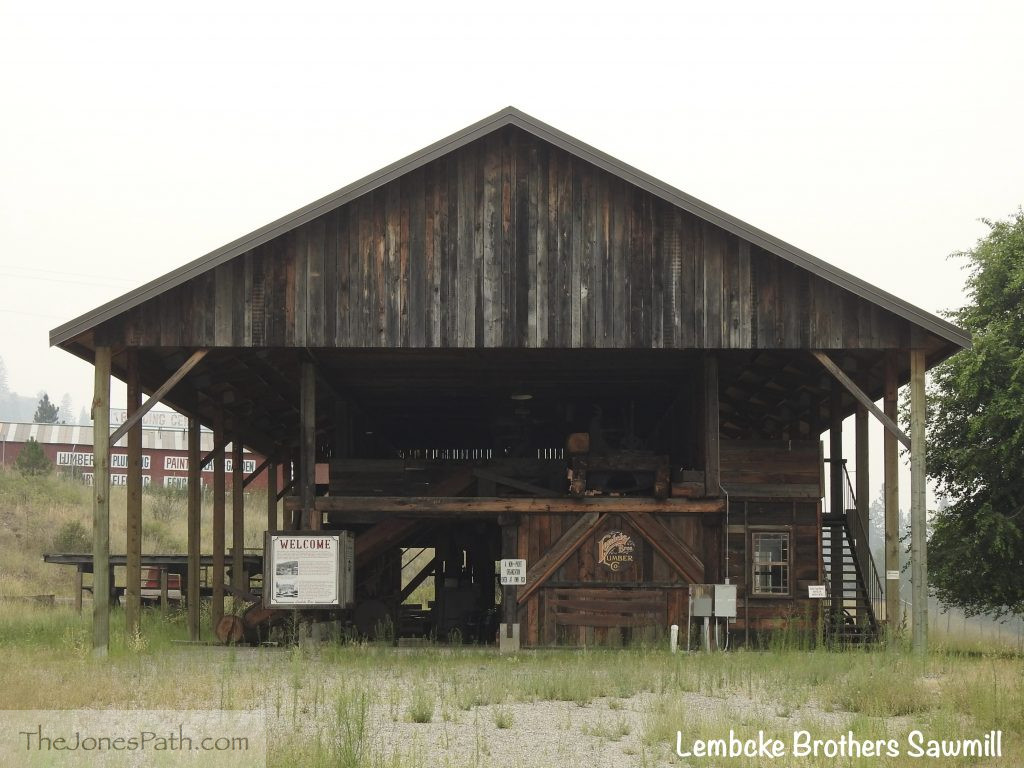
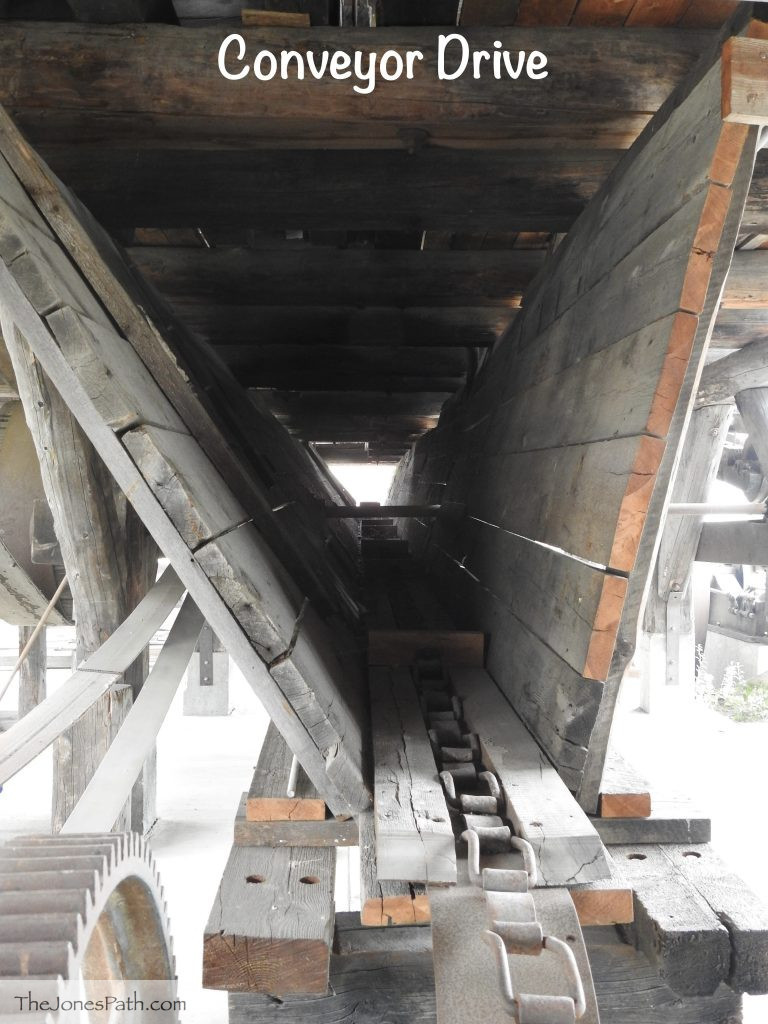
Saturday, in addition to a lot of smoke, we found Big Jake covered with ash that was floating around in the air like snow. Ugh! We took a left turn out of the park and headed north to check out the Husky Car & Truck Museum just south of Curlew. This was a pretty cool place. Most of the vehicles are on loan, and they have some that are rarely seen. They also have a bunch of fire engines, work trucks, and a couple of cool motorcycles. The final piece was the intact Lembcke Brothers Sawmill. Originally shipped down from the Canadian Danville Lumber and Milling Company in 1902. In 1916 it was purchased by Henry Lembcke and Abraham Frei for $3,500. In 1929 it was moved again, this time on a 1928 Model A truck, and set up east of Curlew. Henry and his sons operated the mill until 1963. It sat stagnant for years after that, but in 2007 they donated it to the museum. It was dismantled, moved to the current site, and reassembled exactly as it looked when it last operated. The museum owners were onsite and happy to share information about various vehicles and displays, and we really enjoyed the visit.







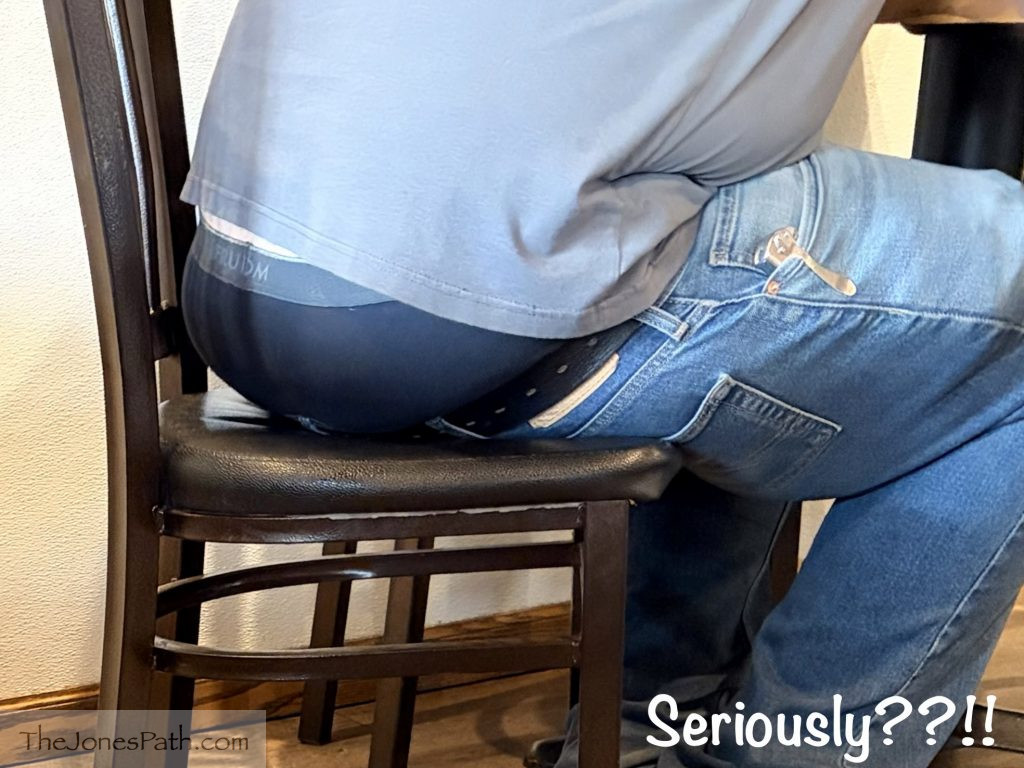
After finishing up there, we headed back to Republic for lunch at the Knotty Pine Restaurant, which was pretty darned good. While there a couple of guys came in for lunch. One was a little older, but the younger looked to be in his early 40s. He walked into the place with his jeans below his butt and the belt cinched tight. When he sat down, everyone got to look at his underwear. I was able to surreptitiously snap the pic below to share with you. WHAT IN THE WORLD??!! We aren’t talking about stupid kid tricks here, this is a middle-aged man!! After finishing lunch, we walked down the street to Sparky’s Coffeehouse where MW left me for a couple of hours to get a little writing done. Later we relaxed with an old movie back at Priscilla.


Sunday we attended services at Lakeview Bible Church in Republic. This is a small congregation, but man, what a welcoming group of people. I’m pretty sure every one of them spoke to us, many both before and after the service. Pastor Dennis Kugler spoke on changing our perspective. We tend to judge ourselves very harshly, seeing every flaw as we look in the mirror. However, when we focus on our spiritual image and try to reflect Jesus, we shine brightly. It was a very good lesson. Afterwards we headed back over to the Knotty Pine Restaurant for lunch, then spent the rest of the afternoon relaxing. There was definitely a little bit of John Wayne before bed, too.

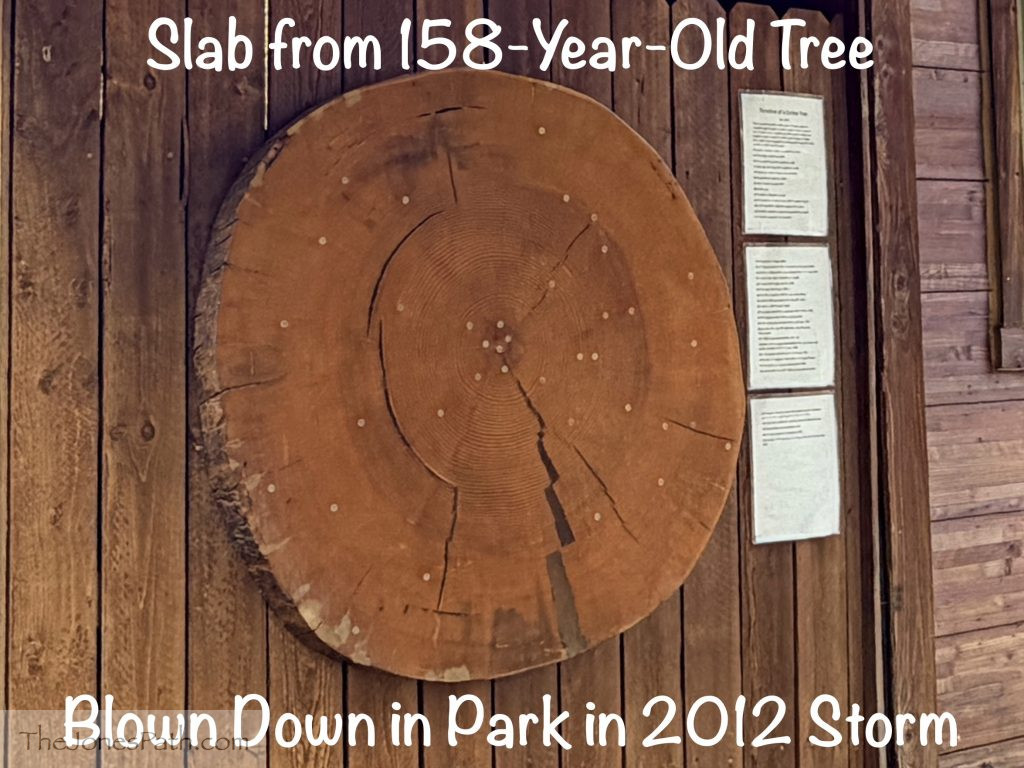
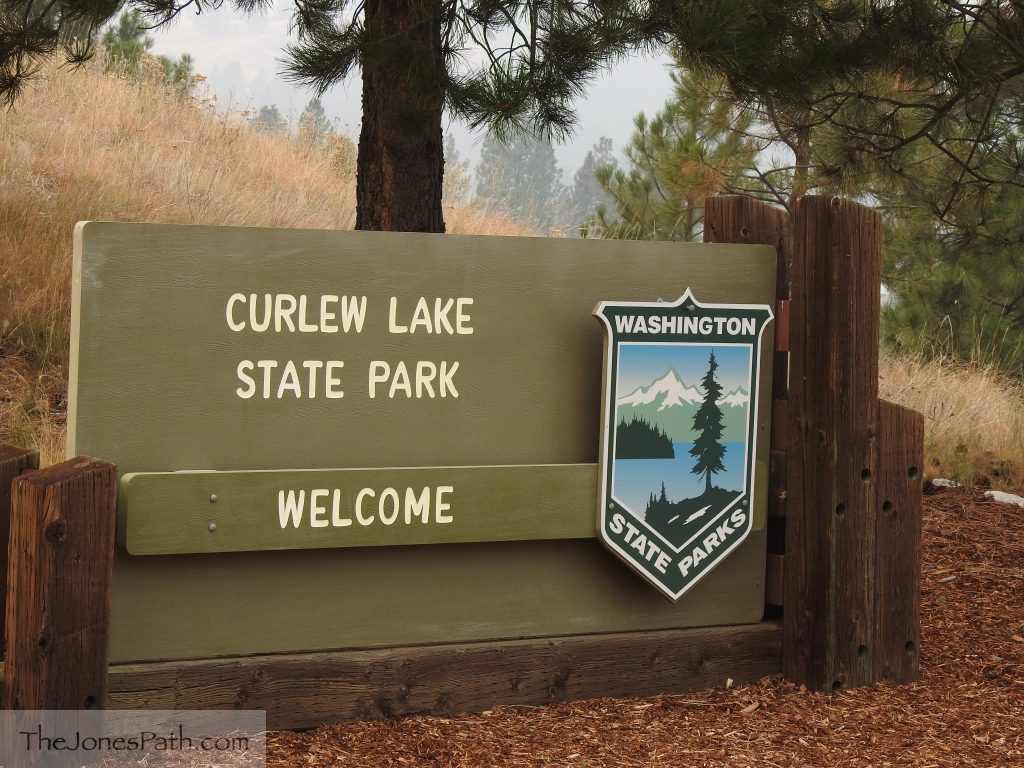
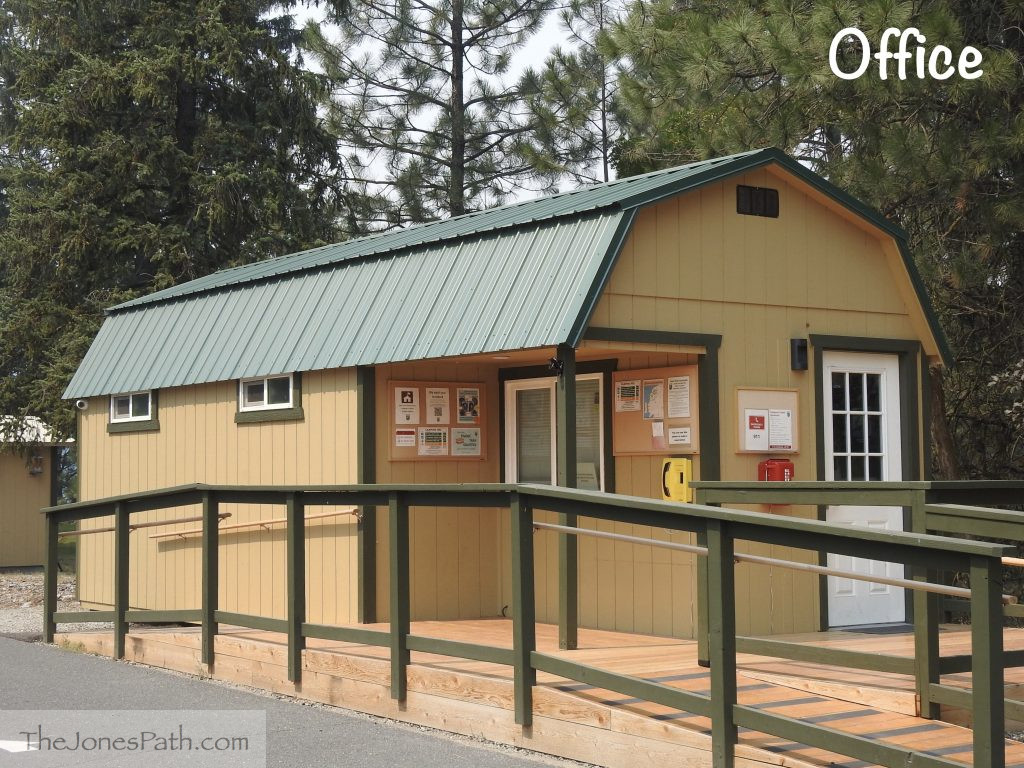
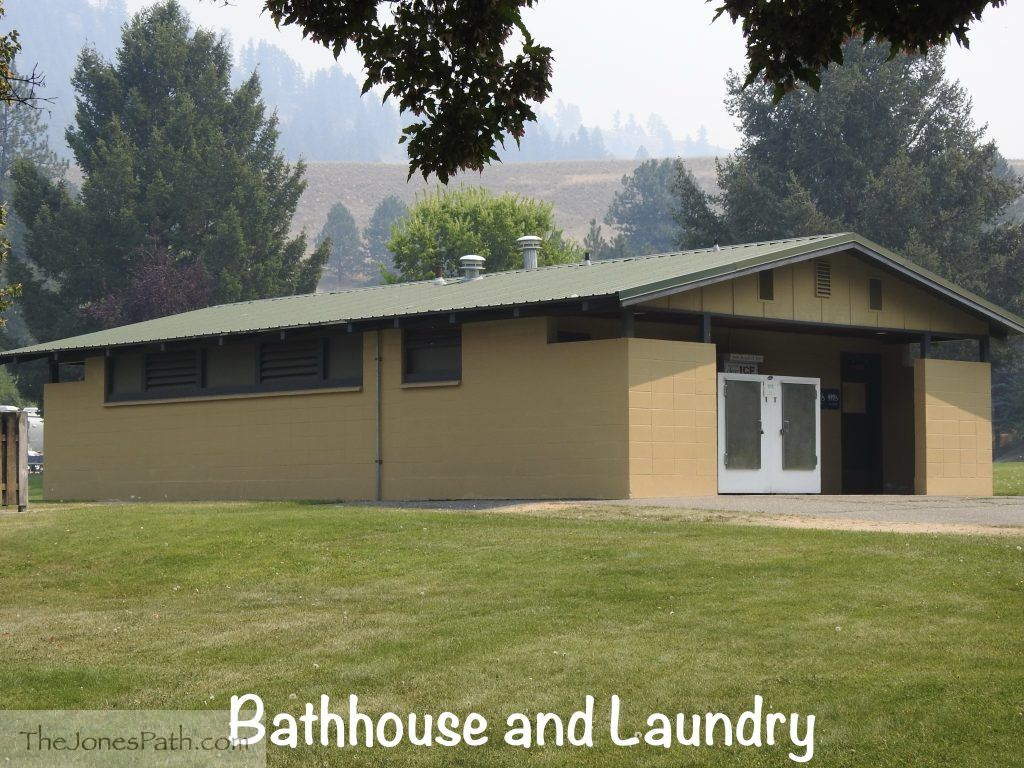
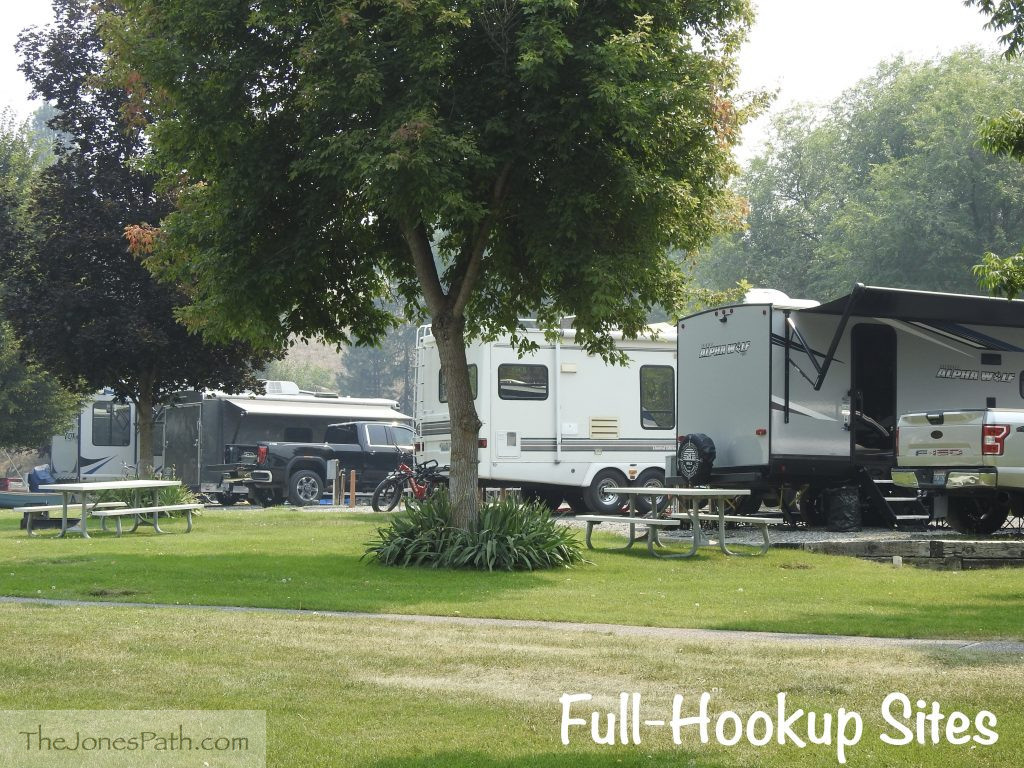
Curlew Lake State Park is a seasonal park located near Republic, Washington, and encompasses 123 acres on Curlew Lake. Amenities include a Ranger station, boat ramp, dock, amphitheater, hiking and biking trails, a bathhouse, and a dump station. In addition to trail use, activities include bird watching, boating, canoeing, kayaking, paddle boarding, fishing, and swimming. The campground has 82 sites in back-in and pull-thru configurations with picnic tables and fire rings. There are full-hookup, power and water only, and primitive versions, more than half of which are reservable with some first-come, first-served. There were no over-the-air tv channels available, and Verizon had some signal, but AT&T had none. The bathhouse was one of the cleanest we have ever been in at a state park, and the park was kept in great shape. There were quite a few day-use fishermen who came and went, but overall it was a fairly quiet park. We didn’t care for the arrangement of the back-in full-hookup sites, which were parallel and fairly close. We would definitely stay again at this park, though. For this visit in August 2026, we paid just over $49 per night for a back-in, water and power site.


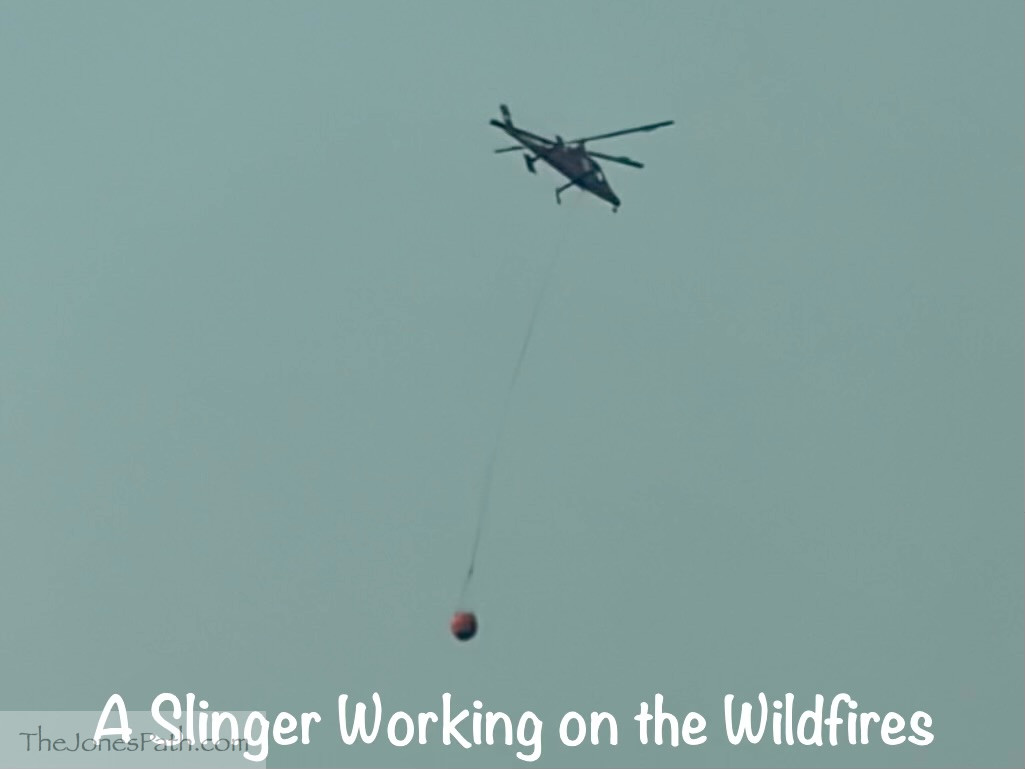
I saw a CSI episode once where a scuba diver in a lake was sucked up into a firefighting bucket when a plane dragged the lake for water, then dumped over a wildfire. You can imagine the confusion with how he got into the tree and burned up while wearing scuba gear. I never really thought that was a possibility until I saw the sign below. You can’t just be swimming, boating, or fishing in the rivers and lakes in this area without keeping an eye on the sky. I’m not sure how a scuba diver is supposed to see the approaching plane. Another big concern would be timing. Let’s say I rowed out to the middle of a lake to do a little fishing or am on a paddle board. It seems like, by the time I see the plane/helicopter approaching, it is a little too late to row/paddle my fanny out of the bucket zone. Just sayin’.

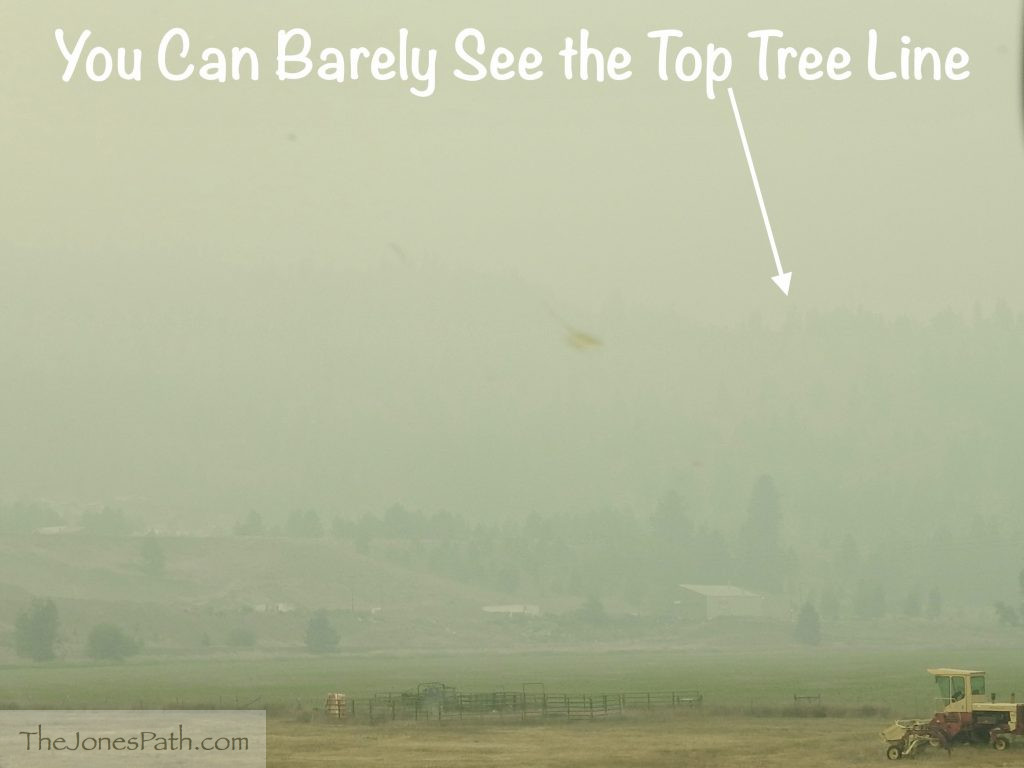
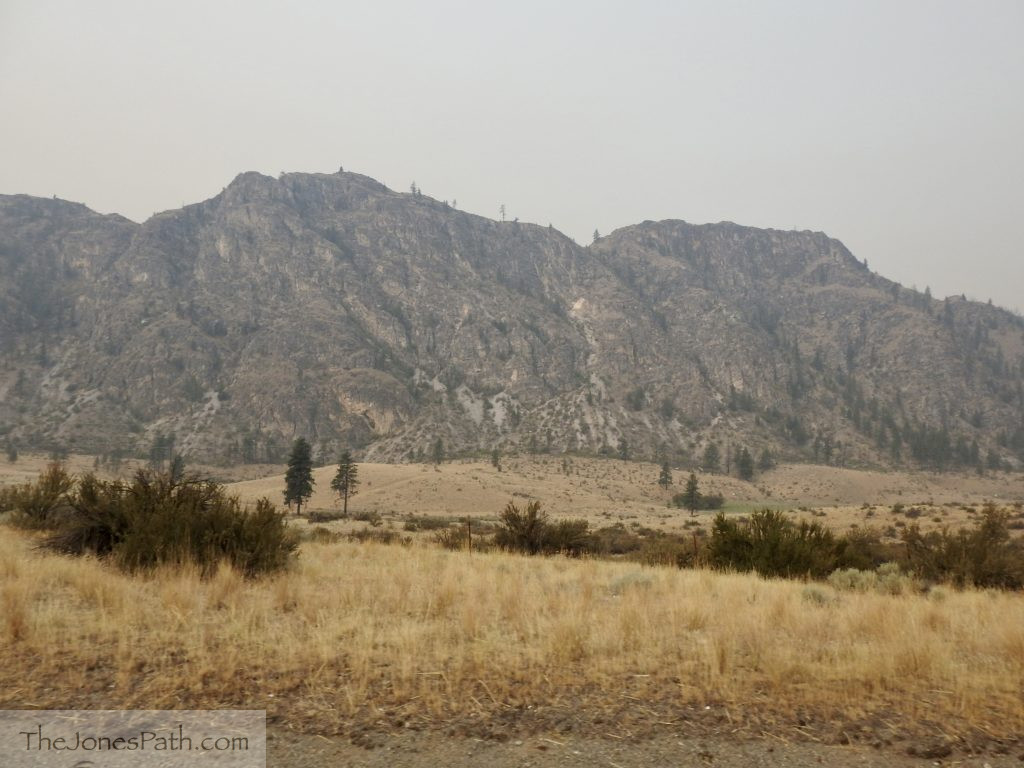
Smoke has been a regular part of our lives for quite a while now. The air quality situation at the next planned stop was very bad, and MW made an adjustment to keep us further north as we continue west to, hopefully, get us out of the plume faster. So, Monday, August 10, started out pretty nice with an 8 AM departure heading back down to Republic and taking WA-20 west. A little over an hour later, we stopped in Omak, Washington, at the Omache Chevron for fuel and a bathroom break. MW pulled away from the pumps while waiting for me, ready to hit the road again. Alas, it was not to be, and that is where the saga begins. After our last suspension issue, I try to notice tire stuff when I’m walking past. (Although not always good at it, this time I noticed, thank you Jesus!) The two tires on my side of the trailer were only about 2-1/2″ apart, about half of what it should be. MW checked out the underside and found a leaf spring that was totally broken. Bummer!! Unfortunately we were blocking a lot of the parking lot at the corner Chevron, but Rebecca was very understanding, and even took the time to make a few calls around town to see if she could find anyone to help. Meanwhile, I got on the phone with Coach-Net, our roadside assistance company, and we walked across the road to Hometown Pizza for a bite to eat while we waited. There Ashley was also very nice and said to stay as long as we like. So, that became our base of operations for a little while. Getting the part was going to be an issue. Leaf springs are specific sizes and most places, particularly in smaller towns, don’t keep them in stock. MW got on the phone with e-Trailer our go-to for RV supplies, who could expedite shipping to get us one on Wednesday. Okay, not so bad. I mean, we can do a couple of nights, right?


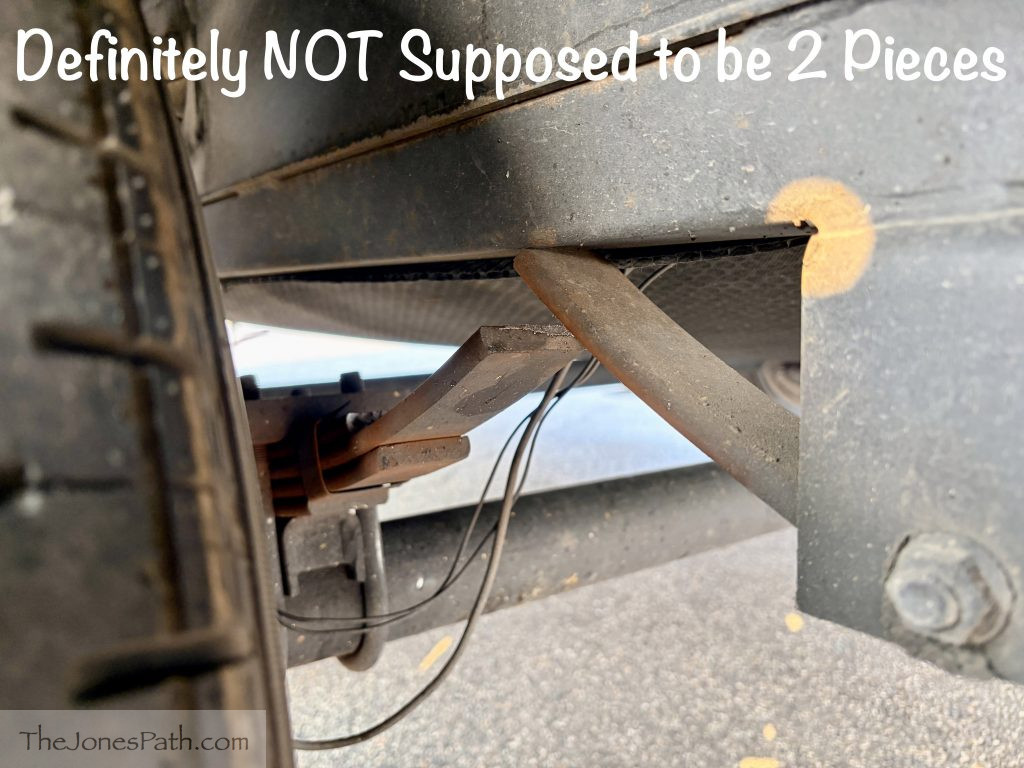
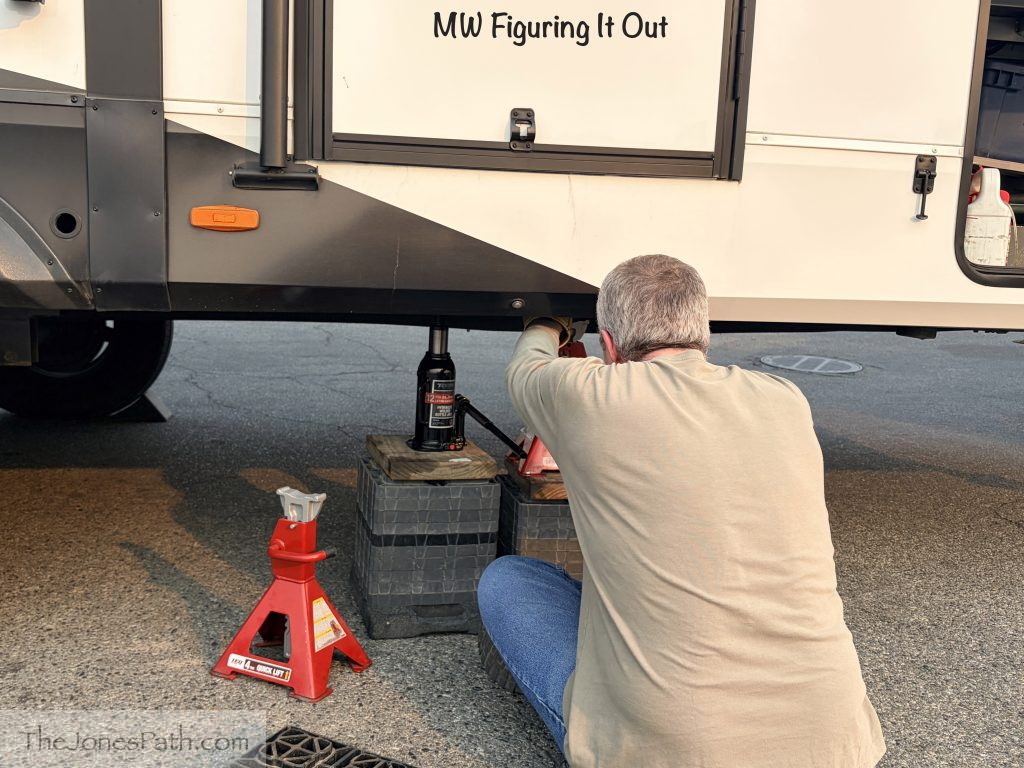
The second step was trying to get the trailer moved out of the way. He came up with a plan to use our 14,000 lb ratchet strap to force the axle back into its original position and hold it there. Directly across the street was a truck stop, and they had no issues with us pulling along the outside of their parking lot until the part could come in. The big plus was it was almost a straight line to where she needed to go, so that was very doable. So, we had a plan and just needed to get Priscilla moved. We waited until later in the afternoon when the traffic was calmer on the road we would need to get across, then MW got to work. Add into that scene 95 degrees on the sunny side of the trailer, almost no breeze, and lots of wildfire smoke and you might be able to get a good picture in your mind. While he was under the trailer figuring it all out, at least four people stopped to see if they could help, one even offering for us to take Priscilla out to his farm indefinitely if we could get her there. The manager of the Arby’s next door sent an employee over to say we were welcome to move it to their parking lot if we could, too. Then, just as we were about ready to give moving a shot, another guy stopped. He was very enthusiastic about helping, and honestly, seemed a bit sauced. He and I walked on either side of Priscilla’s path and stopped traffic for the short, slow drive across the road. IT WORKED!! After she was safely in the new spot, we thanked the guy who pointed out where he worked as a mechanic and said if there was ANYTHING we needed until it is fixed, just let him know. He mentioned being off and out fishing, and when I asked if he caught anything, he said “a buzz”! When he left, MW said it must have been a BIG ONE!! LOL.
In the mean time, Coach-Net called to say that they still hadn’t found someone who could help us immediately, and after hearing about the part order, said they could absolutely find someone to help us install it on Wednesday. (We have the tools, but a professional would be faster. Plus it was hot!) We bought a jug of water at the truck stop, then opened the windows and turned on the vent fan in Priscilla to get the temp down before bedtime. (It was 90 inside when we got her moved!!) Neither of us got much sleep, but we were out of the way, safe, and in our own bed.
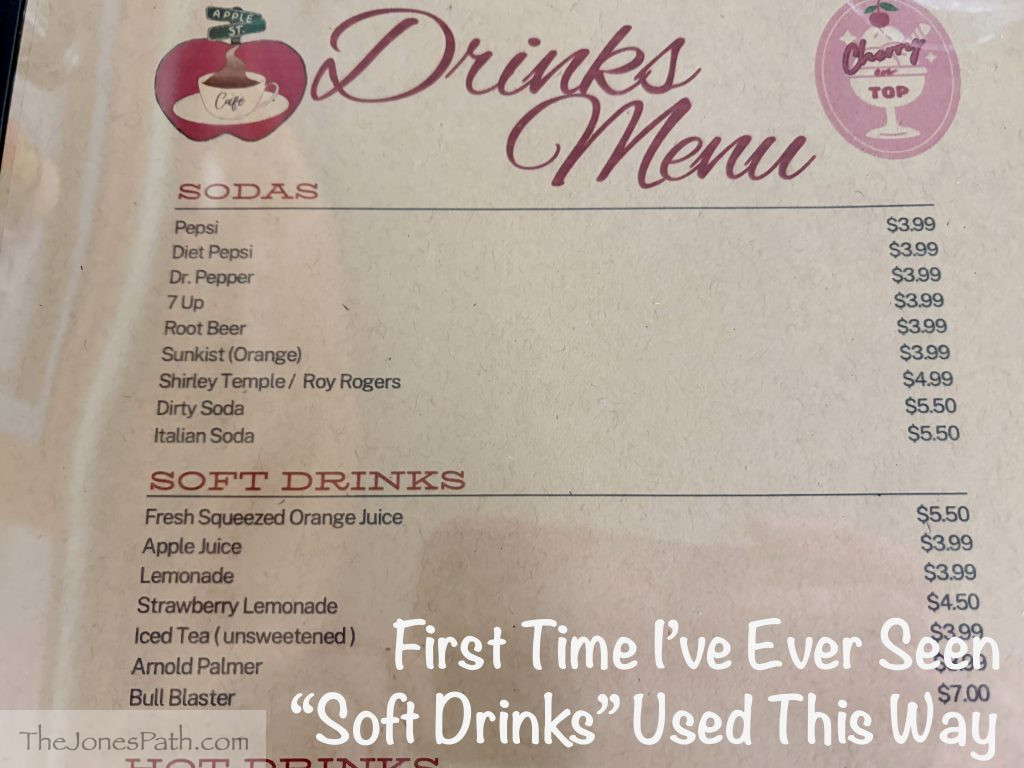
DAY TWO…THE SAGA CONTINUES: The benefit of the truck stop is that on Tuesday morning MW had a place to shower, which made him happy. The second bonus of the morning was that the battery lasted all night for the vent fan and the fridge, then started charging again as soon as the sun hit the solar panels. We hung around the trailer for a bit in the morning and tried to catch a nap with little success. After a while we headed to Apple Street Cafe for breakfast, where we were also able to charge up the iPad and MacBook. Our waitress, Russia, was very sweet, the food was good, and they were playing some killer 50s and 60s music, too. What more could you ask for? Back at Priscilla, MW put a call in to e-Trailer to check on the part. According to tracking, it appeared to still be in Missouri. The man he spoke to said it had not left the warehouse, and the only thing he could do was cancel that order and put another in to ship out and get to Omak by Thursday. What the HECK! We paid $160 JUST IN SHIPPING to get that thing sent out immediately, and yet…nothing! Feeling like we were over a barrel, MW said to go ahead, but he was not happy. As soon as he hung up, I looked up the nearest large town with possible supply places. Spokane had several, and we started calling. Two had our leaf spring in stock, and both closed at 5 PM. Unfortunately, it was already 1:50 PM, and thanks to wildfire road closures, the drive would take a little over 3 hours. Again blessed, Brian at Pohl Spring Works said he could process our order over the phone, then stow the package outside the building in a little hidey hole. Awesome!! We made a mad dash for Big Jake and got on the road for the 6-hour round trip drive. MW took the wheel while I dialed. The first call was to e-Trailer to cancel the order. We spoke with yet another rep, but this one actually seemed very concerned about the situation. He did some checking, then called us back to say that, contrary to what the last guy told us, the original order HAD gone out, just a day late. So now a part was actually on its way to the Chevron station in Omak and would arrive on Thursday. The guy was super helpful, though, and offered options to try to head it off. None of it worked, though. We’d have to deal with that later. The second bit of business was getting Coach-Net to have a repair guy at the trailer first thing in the morning. They got that all figured out and put me in contact with Jack at Are Vee in a Fix, out of Coulee City, Washington, before the evening was done. With nothing else to work on for the moment, we could relax a bit and enjoy the rest of the drive over, which had some pretty beautiful scenery. Smoke was ever present until we got really close to Spokane, which was a surprise since one of the largest fires in the state was burning just outside of that area. The parts pickup (we went ahead and bought an extra) went exactly as planned, and we switched seats for the drive back. Supper was in Davenport, Washington, at Tribune Provisions, where the food was very good, the waitress, Ayla, was excellent, and we had a good conversation with a guy sitting at the next table, too. (As any of you Jean M. Auel fans might have guessed, Ayla was named for the character in the Earth Series, her mom’s favorite books.) We finally made it back to Priscilla about 9:15 PM, but noticed that the battery was showing low. Not sure whether it is something wrong in the system or smoke was affecting the solar panels efficiency, but we decided to use the jumper cables and let the truck boost it a bit before we went to bed. The most important thing was keeping the fridge going, but a CLOSE second was keeping the exhaust fan running so we had a little air moving through! We finally hit the sack around 10:30 PM, exhausted. It was another fitful night for both of us with the heat, constant backup alarms on trucks at Walmart across the way, semi-trucks coming and going at the truck stop, and one guy’s air conditioner cycling on and off every couple of minutes (seriously, it must have been broken). I don’t think either of us did much more than doze here and there, but at least we had a repair plan and could see air-conditioning on the horizon!

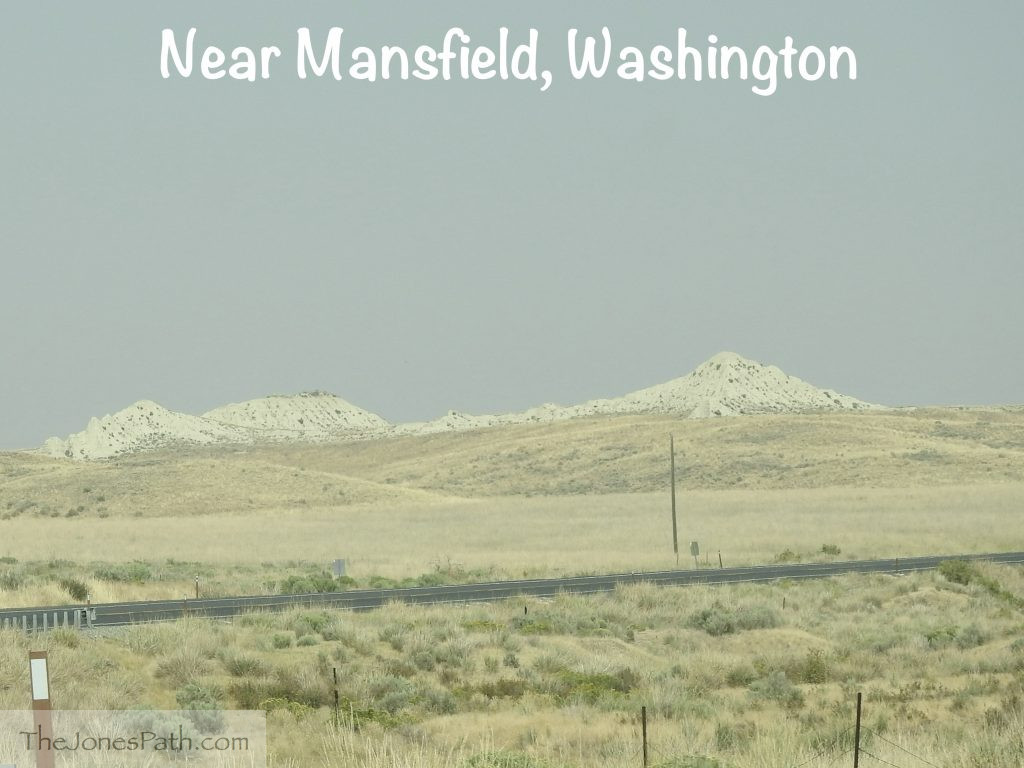
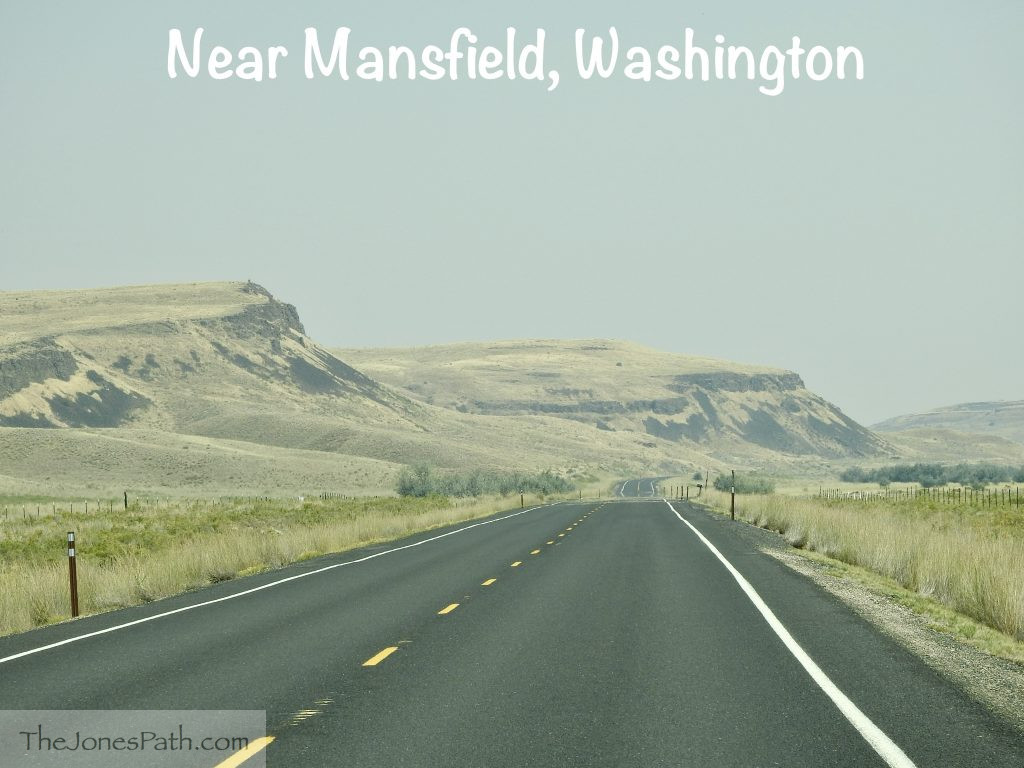

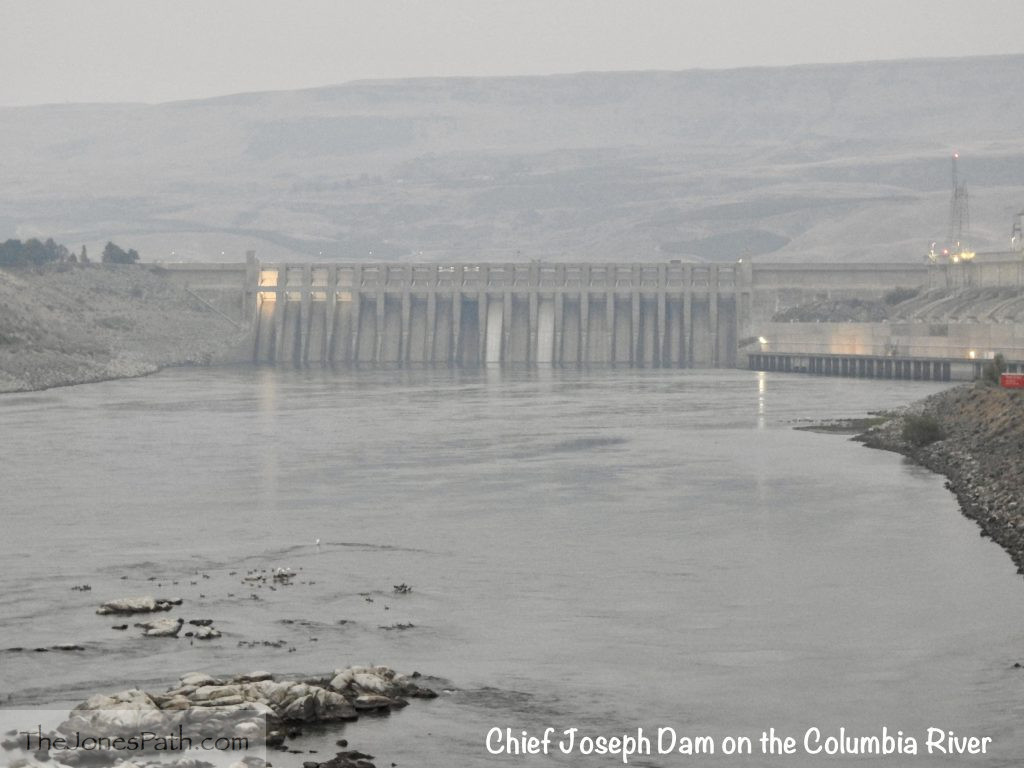
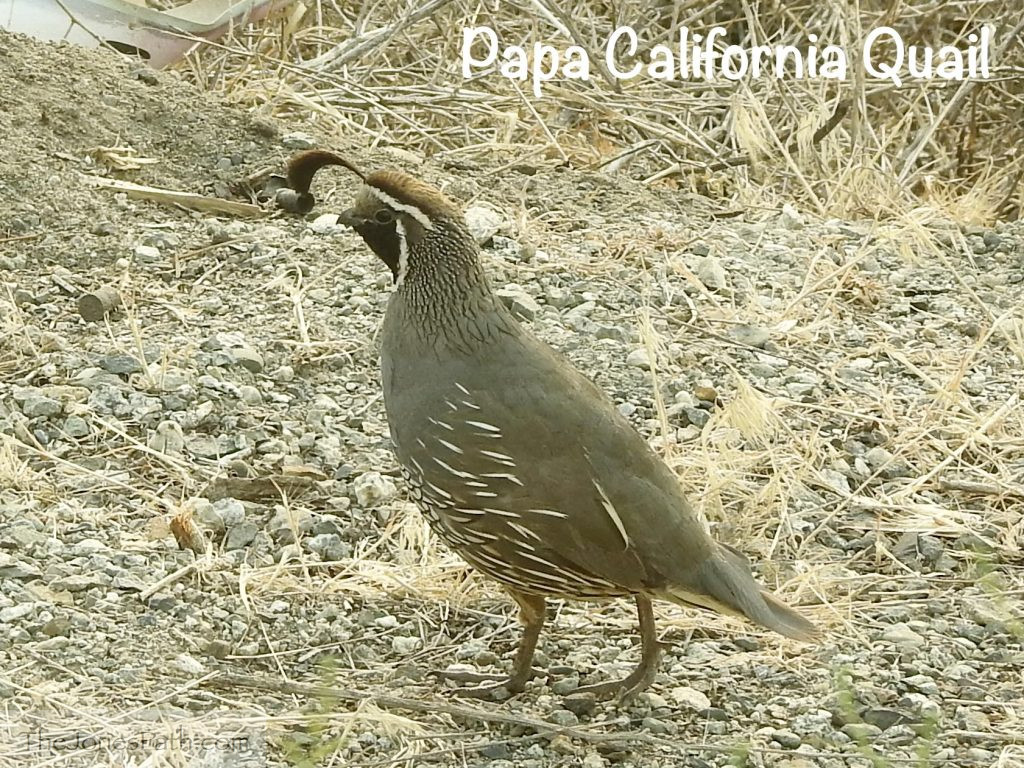
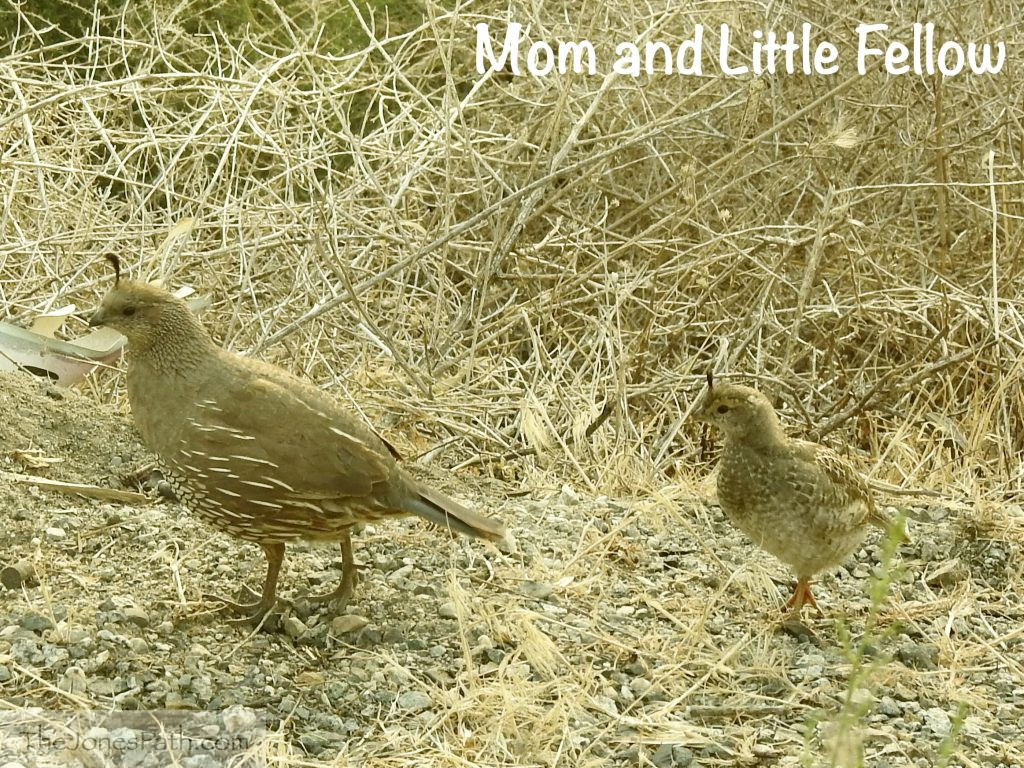
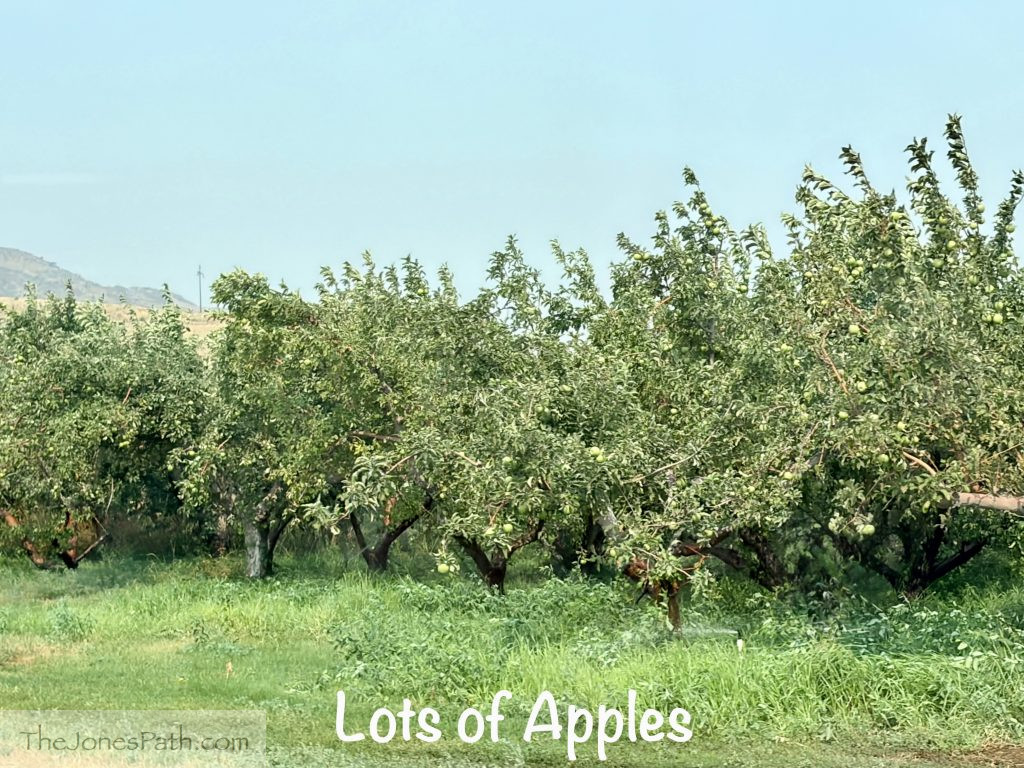
Wednesday morning we watched California quail families scurrying around at the edge of the parking lot behind the trailer. They must scavenge the area for food regularly. We got everything buttoned up just in time for Jack to arrive a half hour early for his 9 AM appointment. Yay!! While he got to work, we walked across to Burger King for a breakfast sandwich, then checked in at the Chevron station and got Rebecca’s phone number. Jack made fairly quick work of the repair, and we finally hit the road about 10 AM. We called Rebecca and discussed the package, which she will tell everyone at the station to refuse. Hopefully that would solve that. The route was pretty much just WA-20 west and was only three hours or so. Smoke was still an issue for most of the drive, but the orchards, grasslands, and the mountains of North Cascades National Park were spectacular, nonetheless. Out of an abundance of caution (or paranoia), we stopped a couple of times to look at the suspension and fuel up, but made it to the campground early in the afternoon. Amazingly, when we came out of the west side of the park, the smoke cleared and we couldn’t even smell it. Hallelujah!! After getting set up, we took a much-needed nap, then later watched Pat and Mike, the Spencer Tracy and Katherine Hepburn movie from the early 50s. It is a good movie and was Hepburn’s favorite with Tracy.


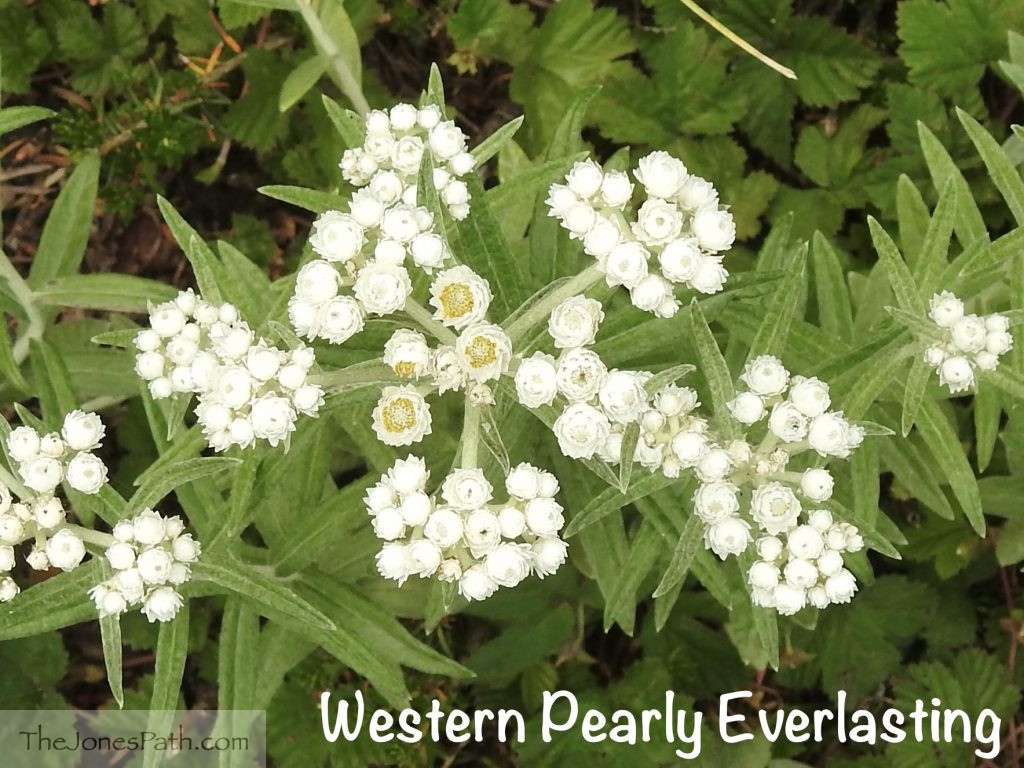
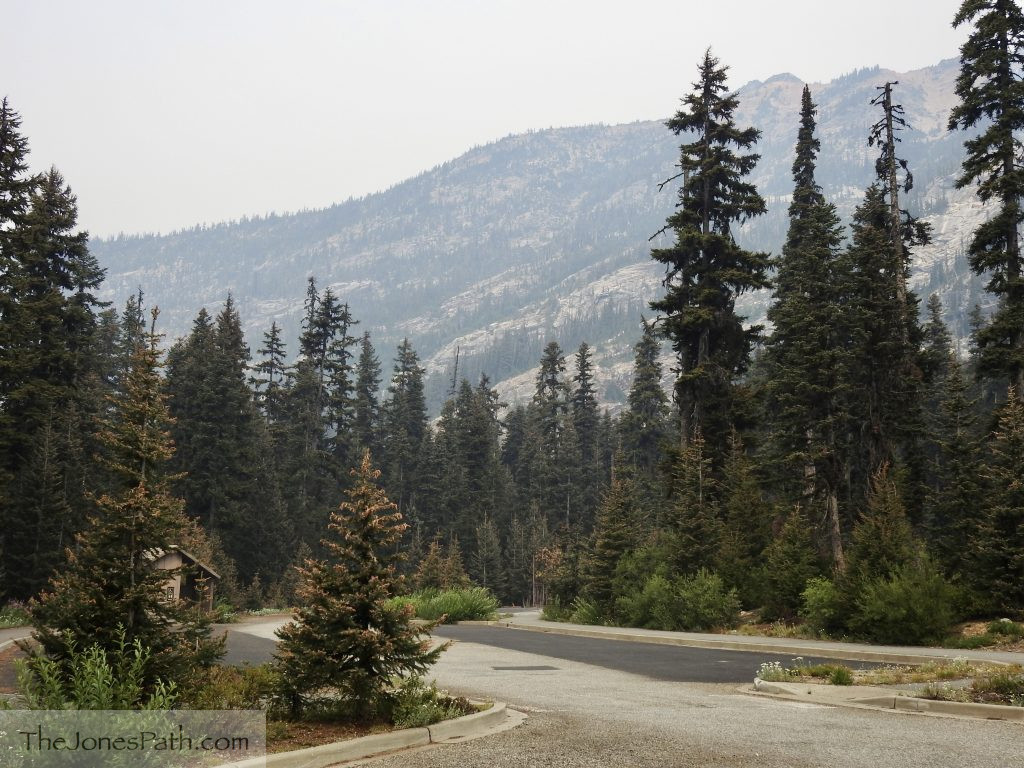
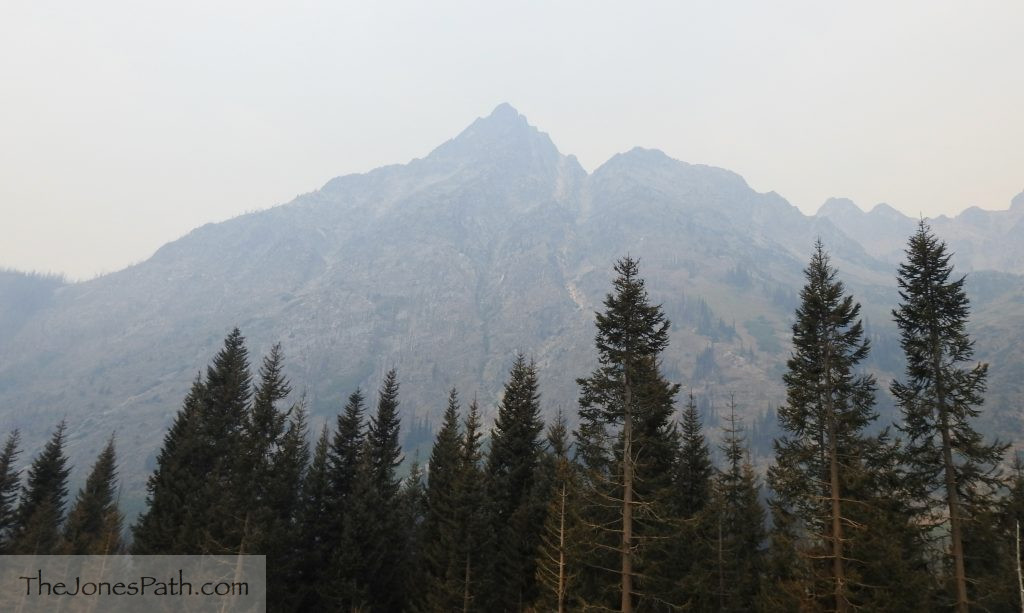
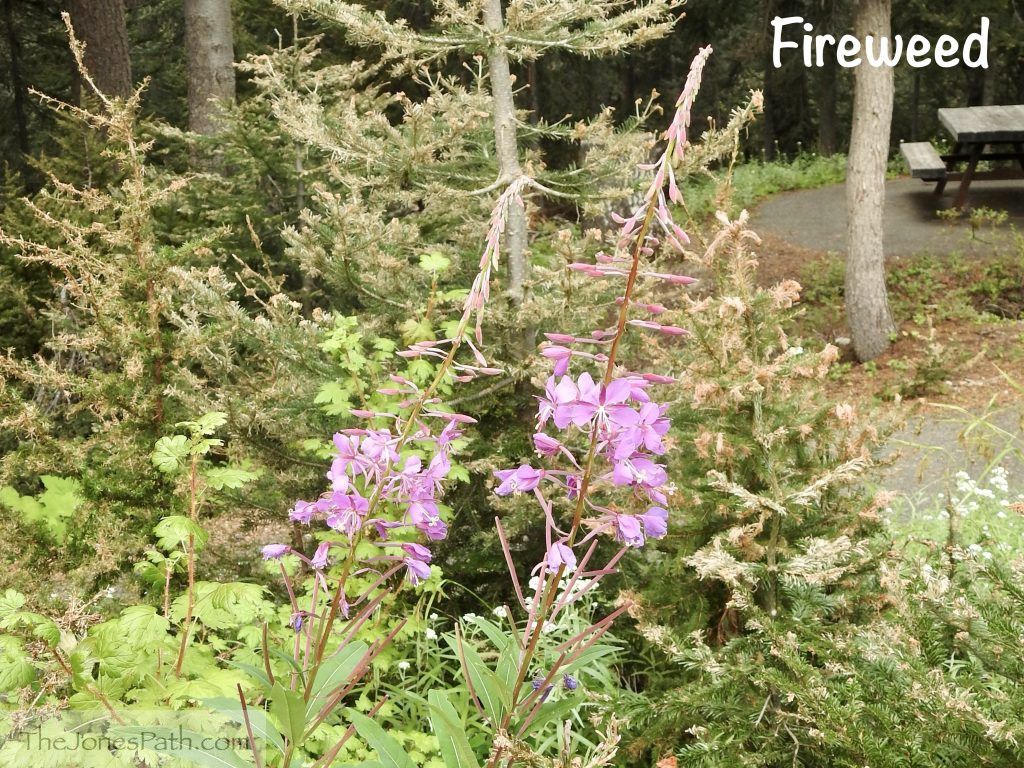

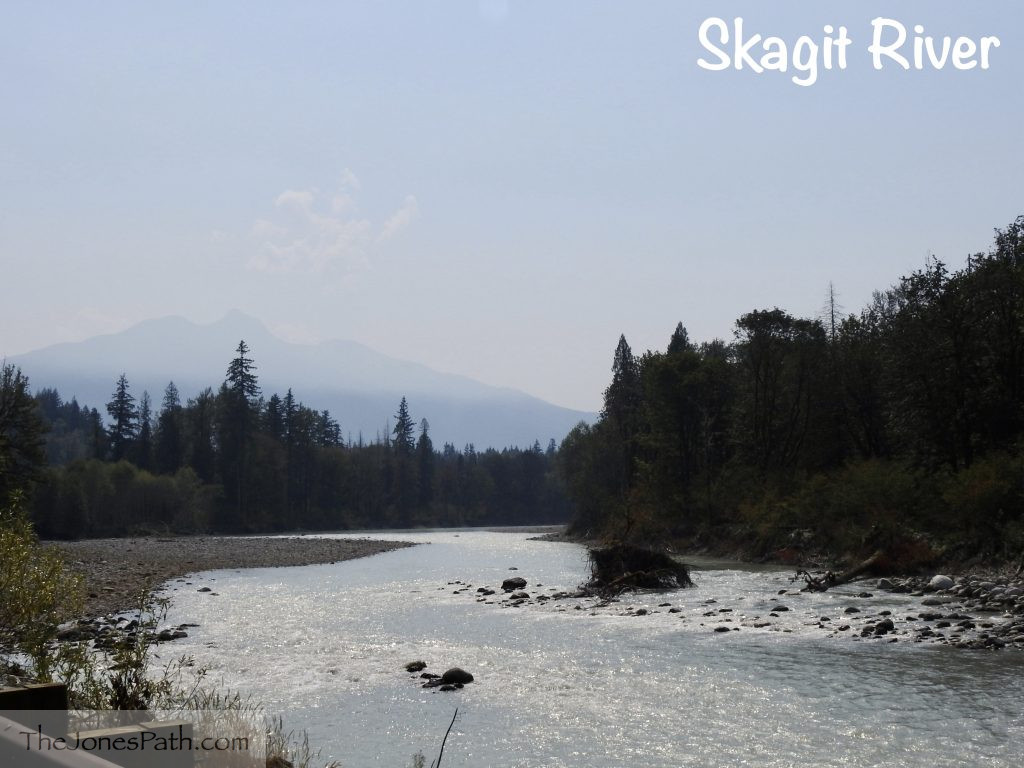
This was our second stay at Glacier Peak Resort and Winery, and I was disappointed that it had to be turned into a one night stop. The original review was in September 2023 and not much had changed. The adjacent town is tiny, but cute, and North Cascades National Park is just right down the road. They also have a nice walk along the Skagit River on campground property. When we arrived this time, the owner said that the blackberries at the back of the campground are ripe, but to be mindful of the bear. LOL
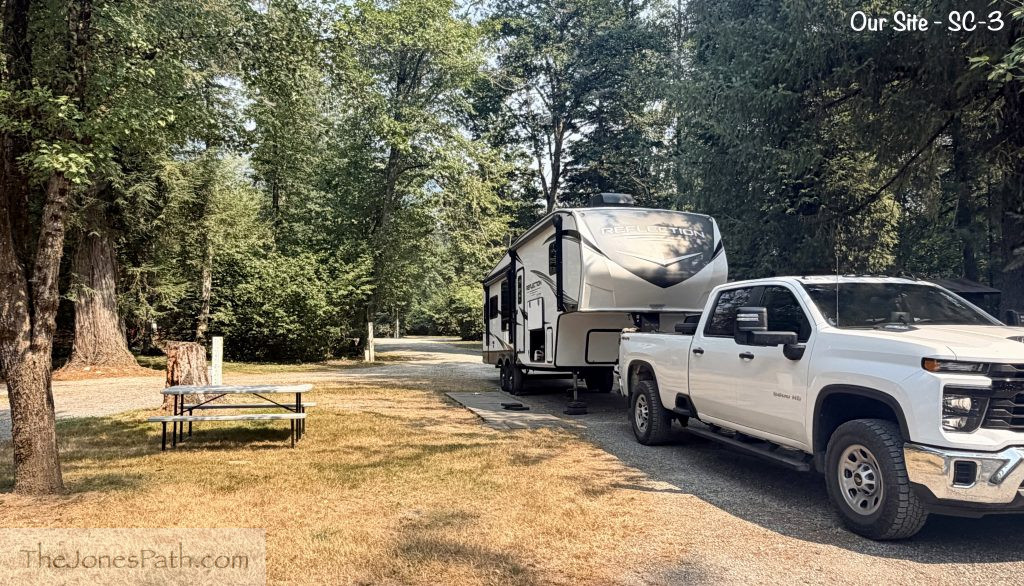
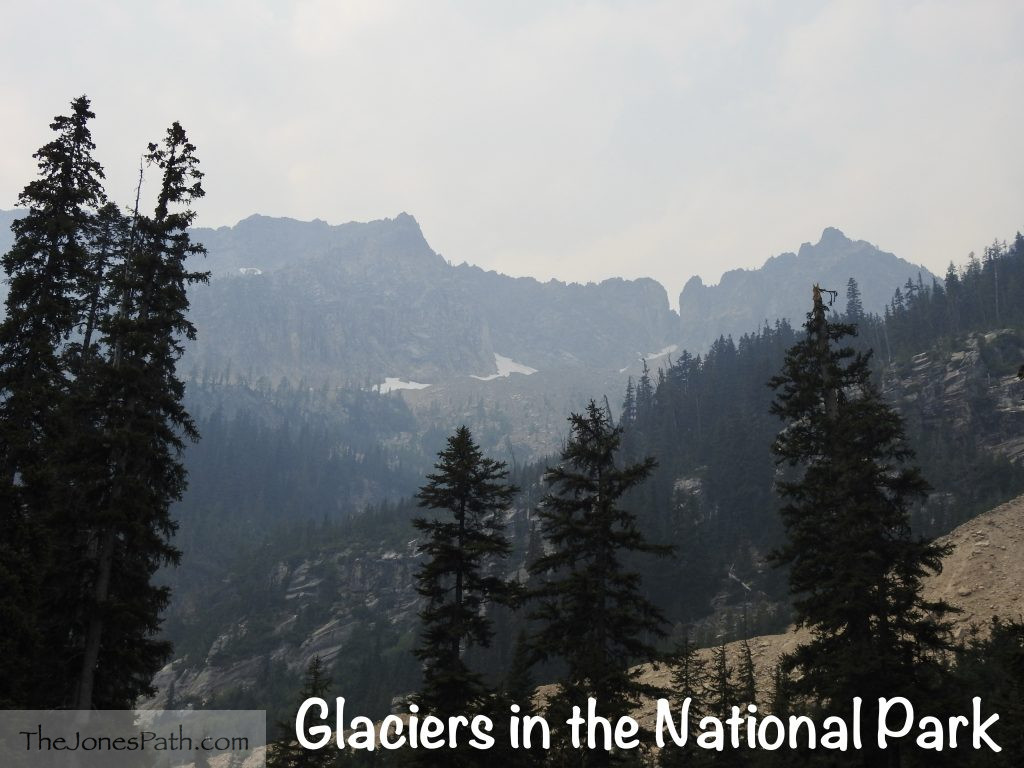
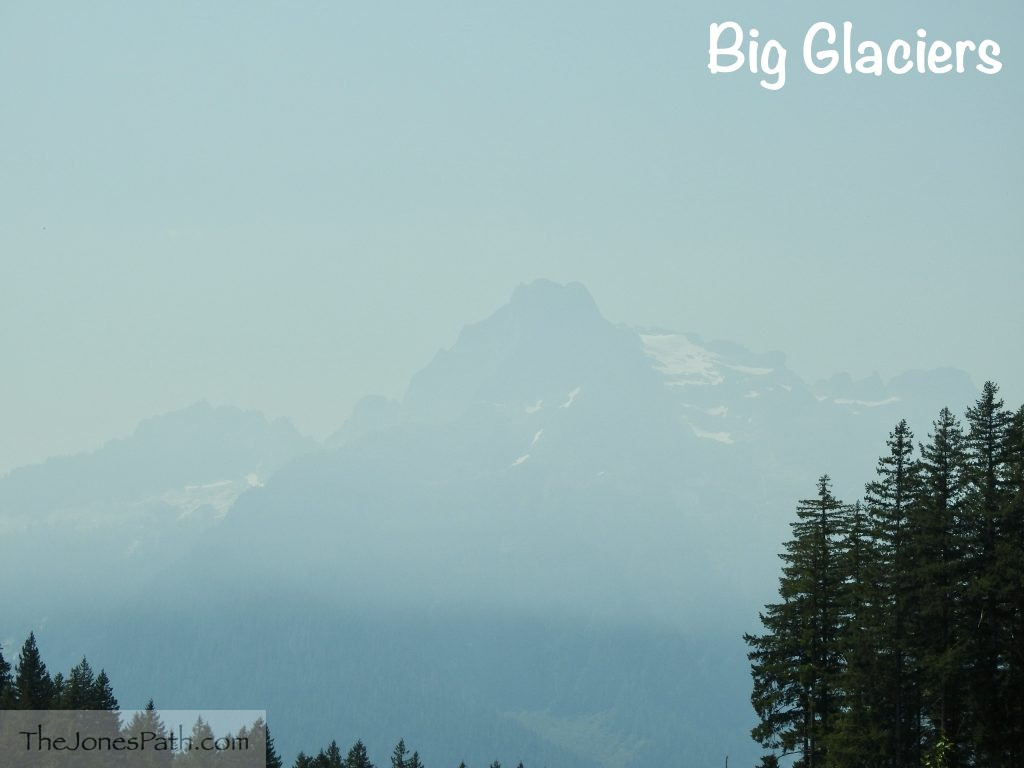
Thursday morning we woke up after sleeping like LOGS to cool air, sunshine, and no smoke!! Praise the Lord!! Since our drive wasn’t too far, I decided to get the laundry done at the campground. While I did that, MW checked the tire pressures and did a little torquing, then we had lunch to keep from stopping in the city craziness. Around noon we finally hit the road taking WA-20 west to Rockport, then turning south on WA-530, which passed through Darrington and over to Arlington. There we turned south on WA-9. The first 90 minutes of the drive were very beautiful along mountains with glaciers and the Skagit and Sauk Rivers. After that it’s just city traffic. We made it to Lake Pleasant RV Park about 2 PM, then relaxed after setting up.
During the drive we passed by signs for the Oso Slide in Snohomish County. Since we’ve learned about two other slides in the past few years, I thought I’d look into it. Located a few miles east of Oso, Washington, the hillside collapsed on March 22, 2014, around mid-morning. The mud and rock covered about a square mile and was 30-70′ deep. It crossed the Stillaguamish River and swallowed the entire neighborhood of Steelhead Haven destroying 49 homes and other structures. Since the river was dammed, upstream flooding blocked roads and created other issues. The final victim’s body wasn’t found until July 22, with the count ending with 43 dead. Although the Director of Emergency Management for Snohomish County stated that the slide was “completely unforeseen” and “came out of nowhere”, news outlets reported that warnings went back years. Apparently the area was called “Slide Hill” by locals, and county officials considered buying out homeowners in the area to protect residents. Instead they built a new wall to stabilize the slope adding to repair solutions that dated back to 1962. That’s the year I was born, folks! In 2016 families reached a settlement with the State and a timber company that potentially contributed to the volatility. Site memorials are currently along WA-530, and you can see evidence on the hillside of the slide.
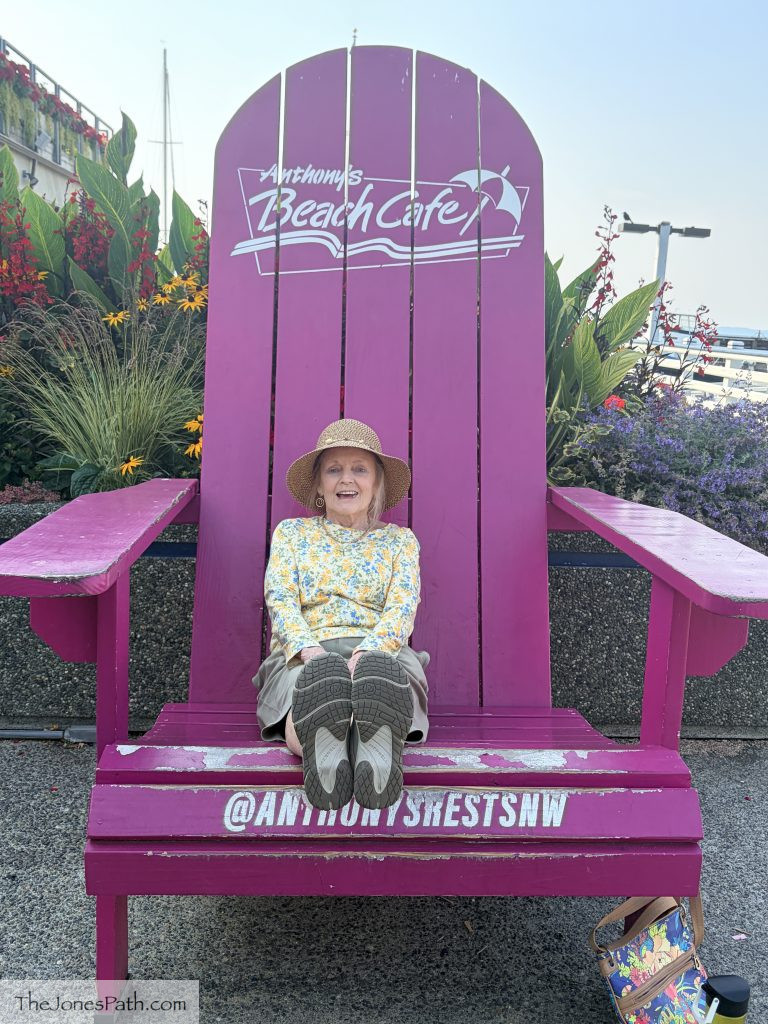
Friday we went to visit Sandy Gilbert, the reason for our stay in this area. You may remember that Sandy is the widow of MW’s Dad2, and we do our best to make it up every couple of years or so. This time we happened to be here for her community’s annual wiffle ball tournament and barbecue. Everyone gets into the spirit of the competition, and it was pretty fun to watch. Lunch afterwards was delicious, too. We enjoyed the weather and visited there for quite a while. Later in the afternoon, we drove down to Edmonds to walk around at the waterfront area and stopped in at Anthony’s for a small bite for supper. After that it was time to for MW and me to head back to Priscilla.

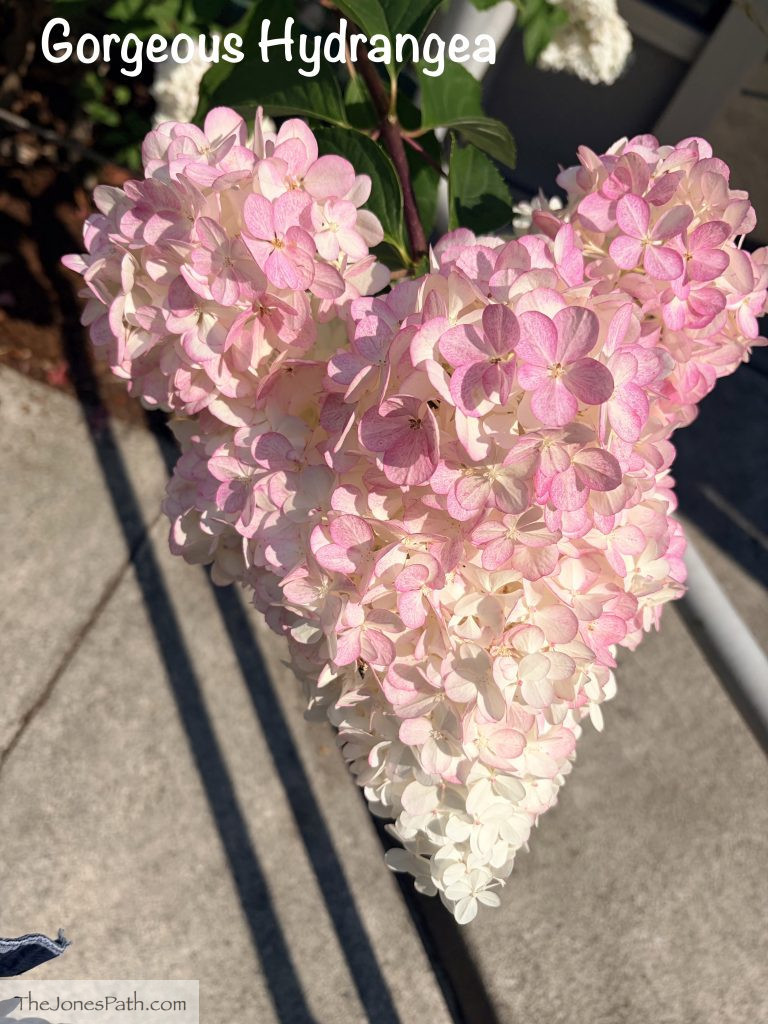
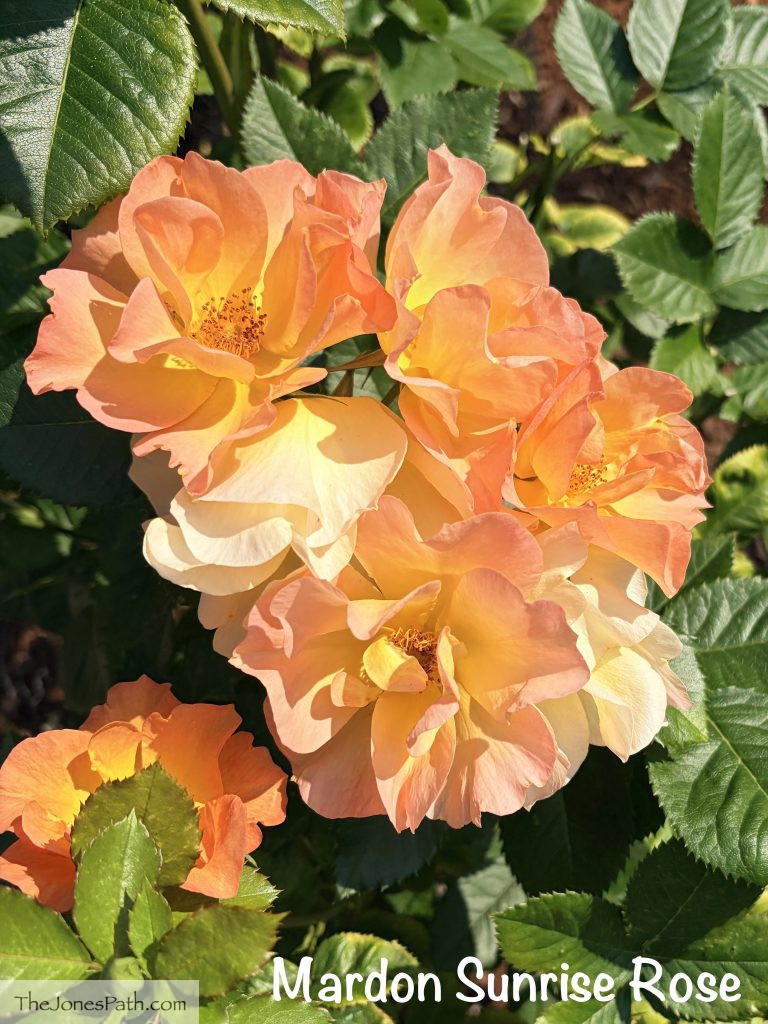

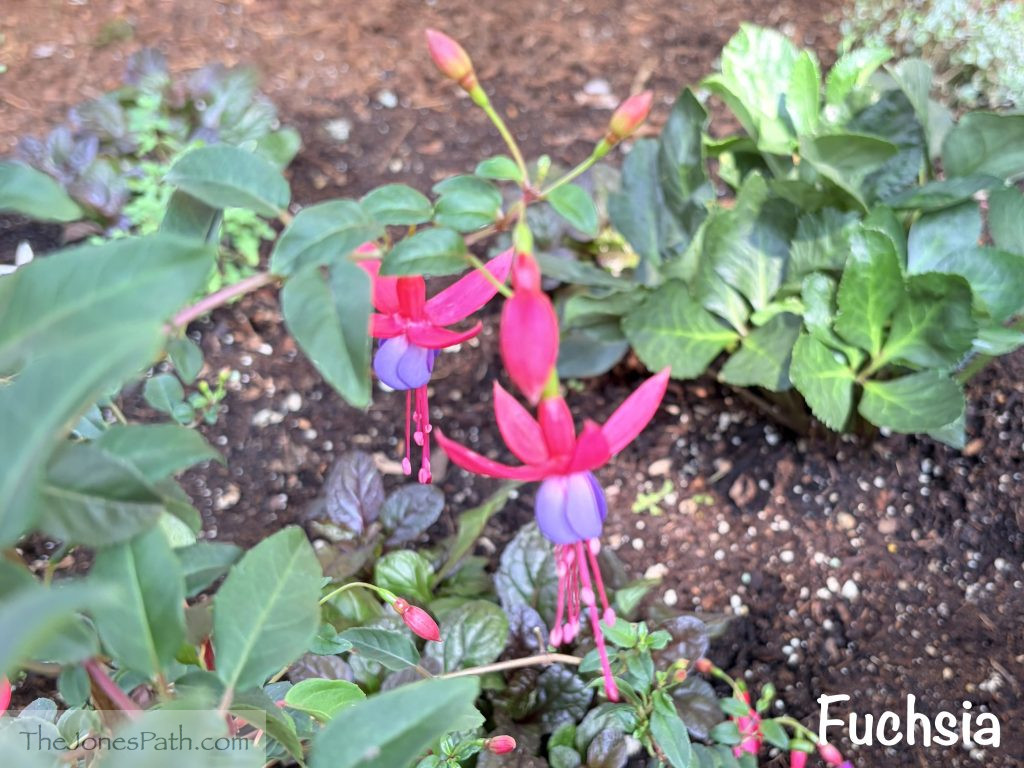
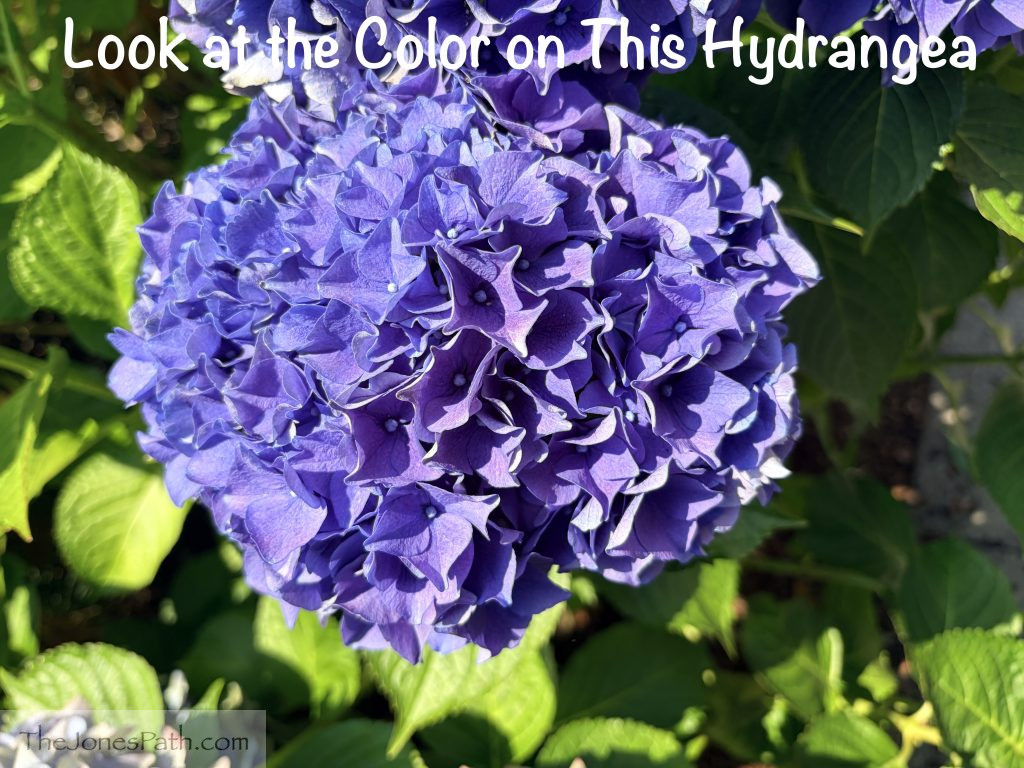

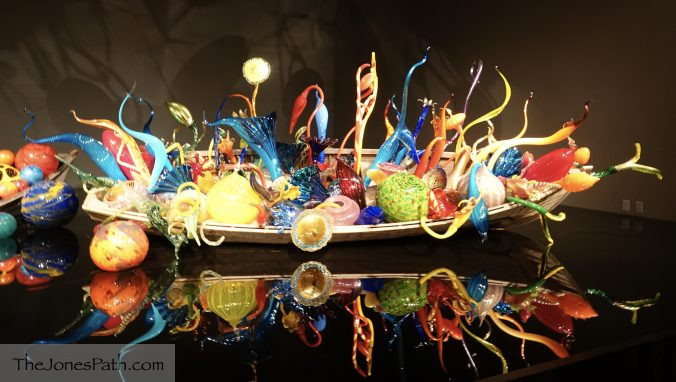
Saturday we picked Sandy up about 9:30 AM and parked at the light rail station to take the train in to Seattle, then caught the Seattle Center Monorail. That dropped us off right in the middle of the Space Needle area so that we could take in something I’ve been wanting to see for a long time. Years ago our neighbors in Florida came back from a trip with a Chihuly. It was a gorgeous, bright-colored glass piece that was absolutely beautiful. Since then I’ve seen Chihuly installations and pieces in the news, but as often as we have come to the Pacific Northwest, I’ve never been to the museum. Saying that Dale Chihuly is a glass artist is like saying Michelangelo was a sculptor. Did he sculpt? Amazingly! Was that the whole definition? Absolutely not. Born in Tacoma, Washington, in 1941, Chihuly began his art career weaving, and his first foray into glass was blending shards into tapestries. He began working with glassblowing in 1965, and in 1971 co-founded the Pilchuck Glass School in Washington. Five years later a head-on car accident would take the sight in his left eye, and 3 years after that, his right shoulder was injured while bodysurfing. The artist didn’t let the weaknesses hold him back, though. He adapted and continued using his artistic vision to create glass art on a huge scale. Where he could no longer hold the glassblowing pipe, he hired others to do it. He has said that the change in vantage point helped him see more perspectives and also anticipate problems. He has installed and exhibited works all over the world including Venice, Jerusalem, Montreal, and many places in the United States. His signature is far from the symmetry and blandness of previous glass blowers with bold, bright colors and radical, sometimes giant, designs. He has installed glass pieces like flowers in gardens and used glass threads to weave and draw on molten glass, taking him back to his weaving roots. To me, his designs and colors are mesmerizing. Since 2012, fans have been able to see his work at Chihuly Garden and Glass at Seattle Center.

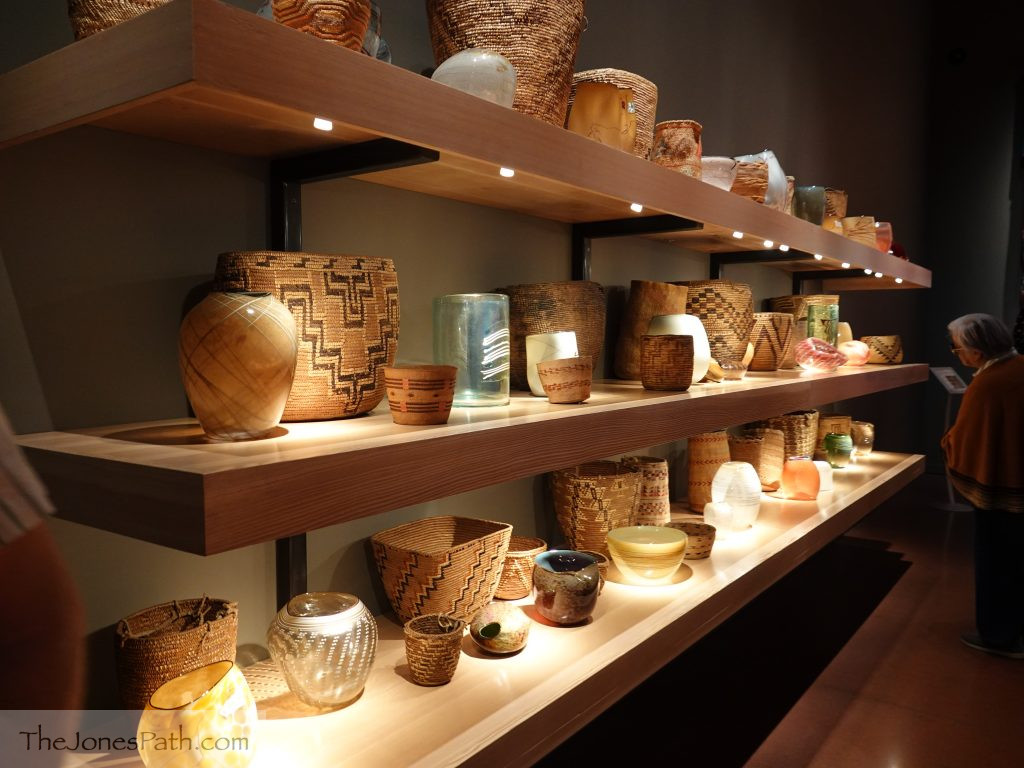
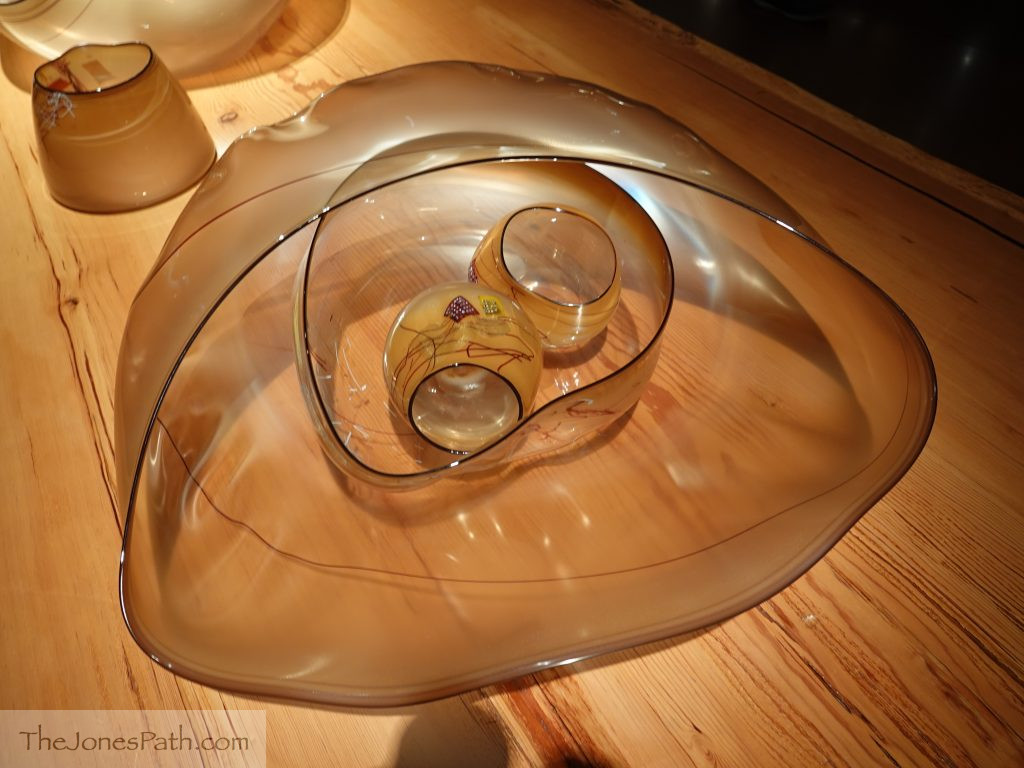
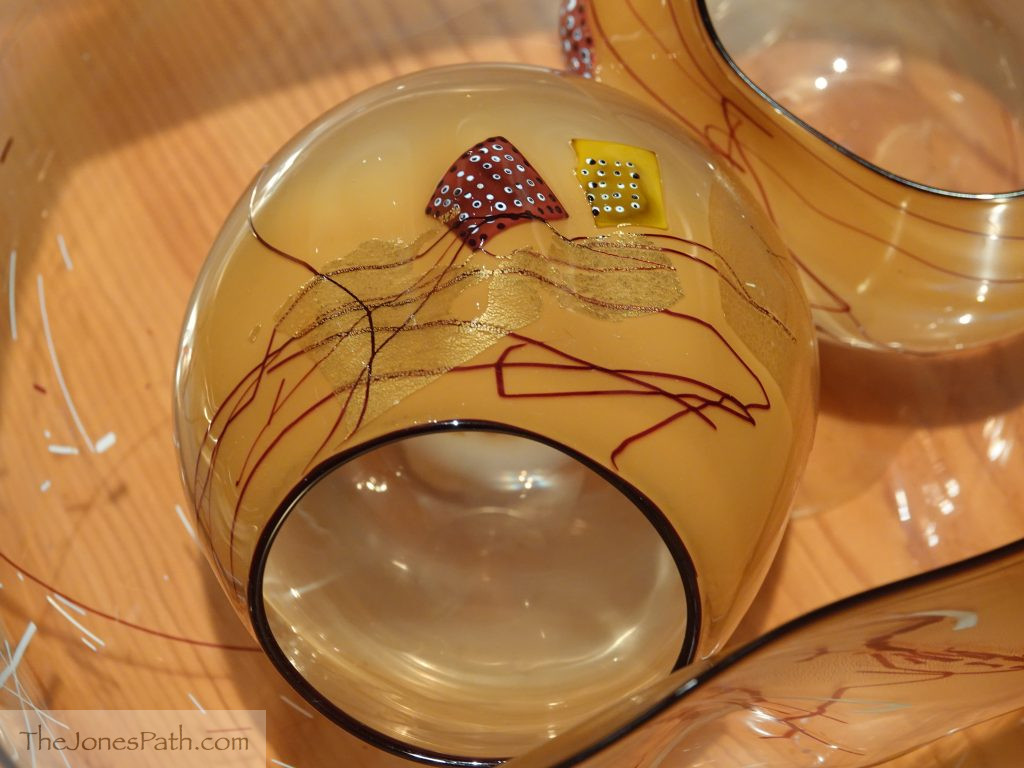
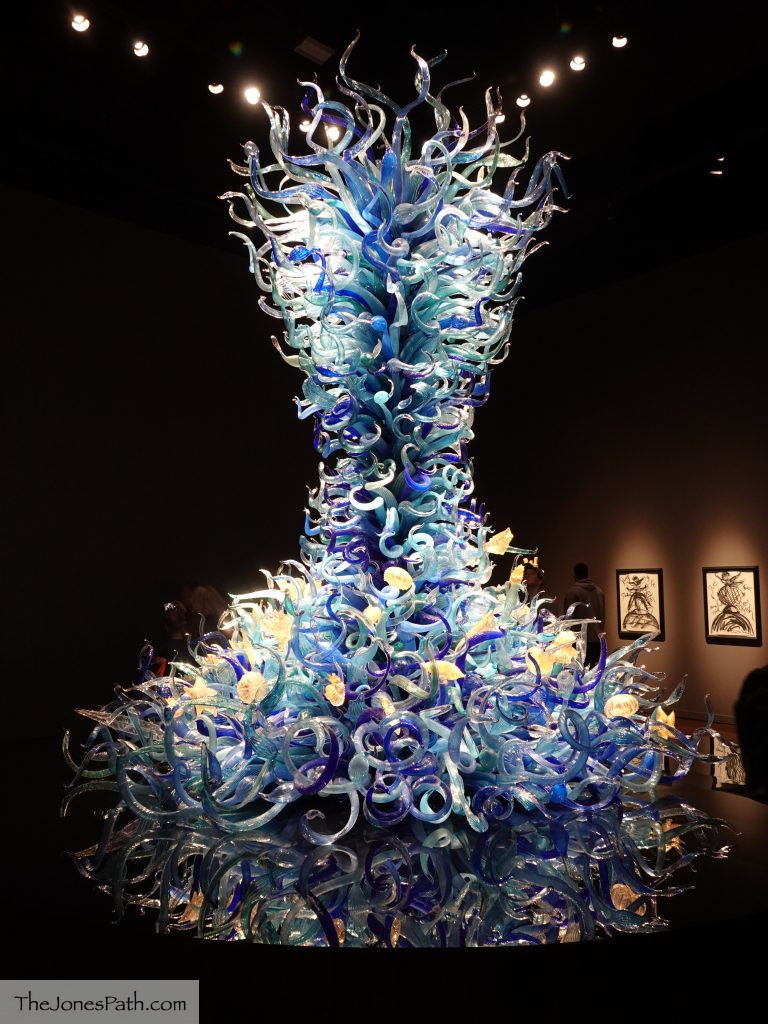


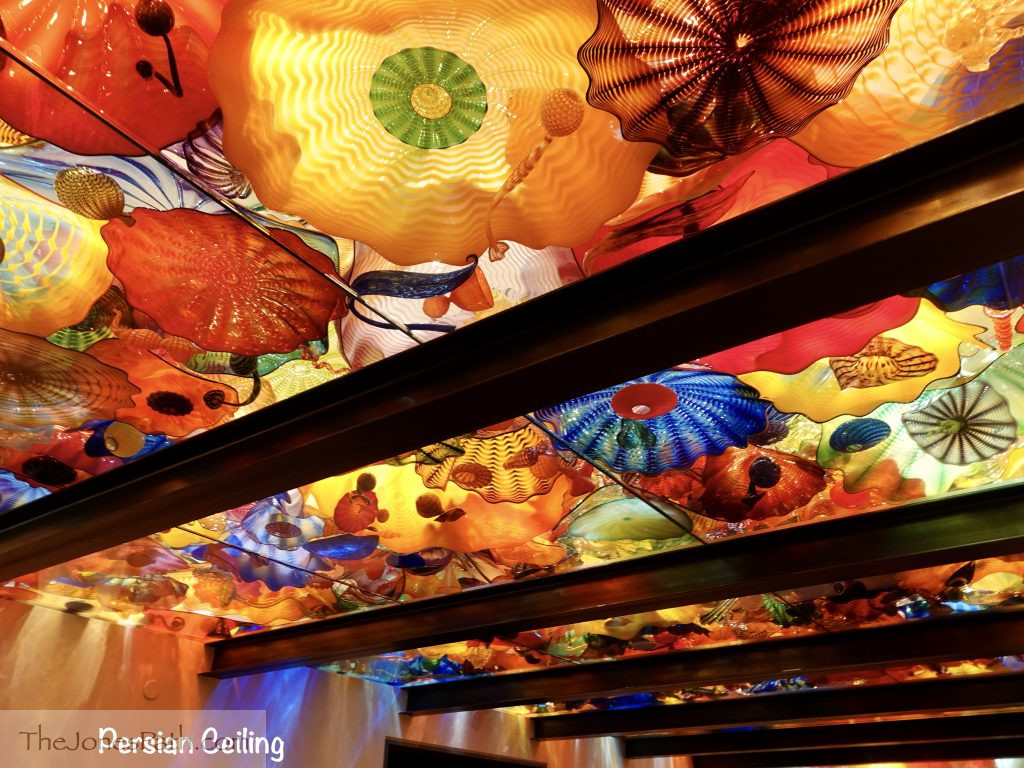
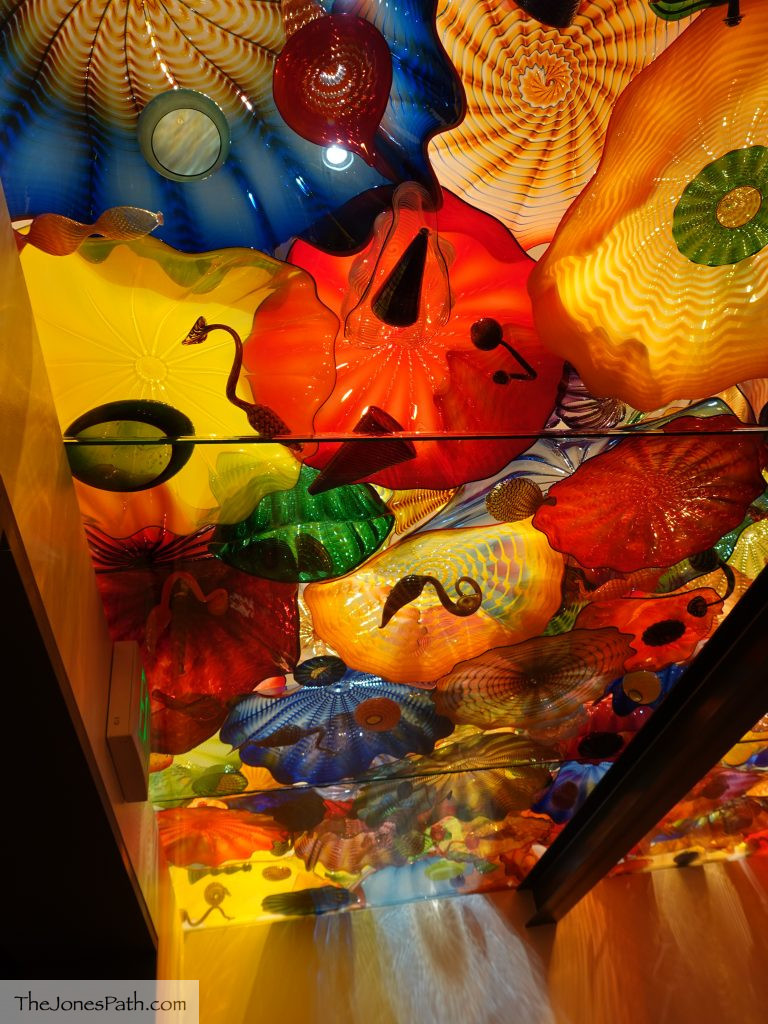
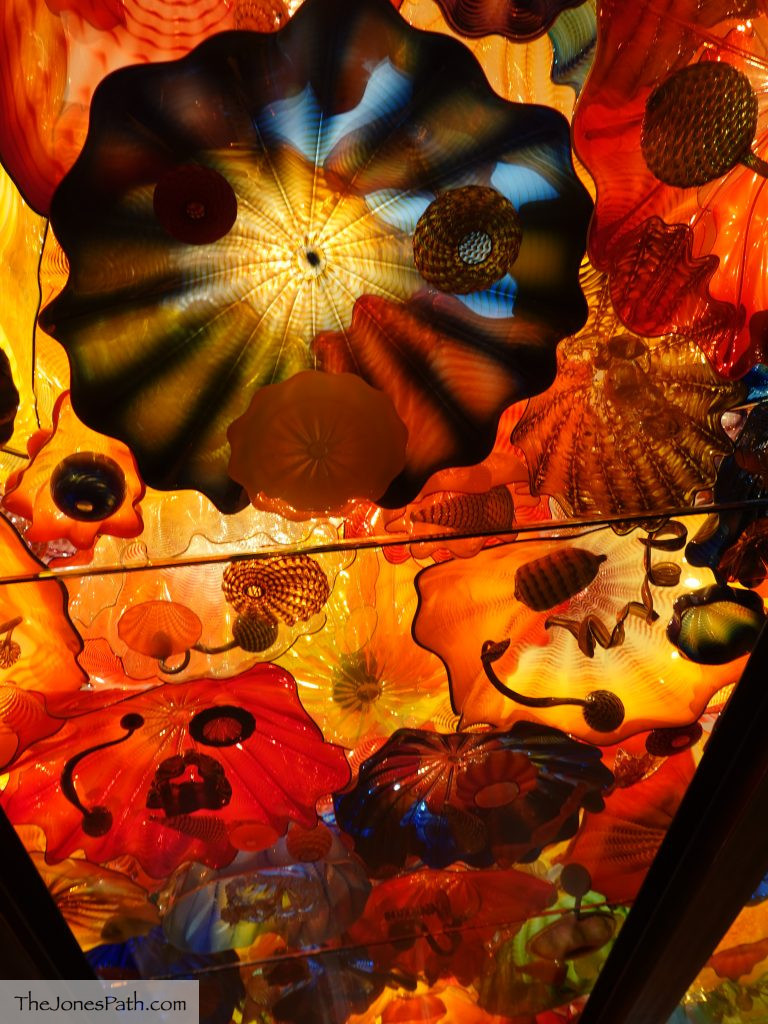
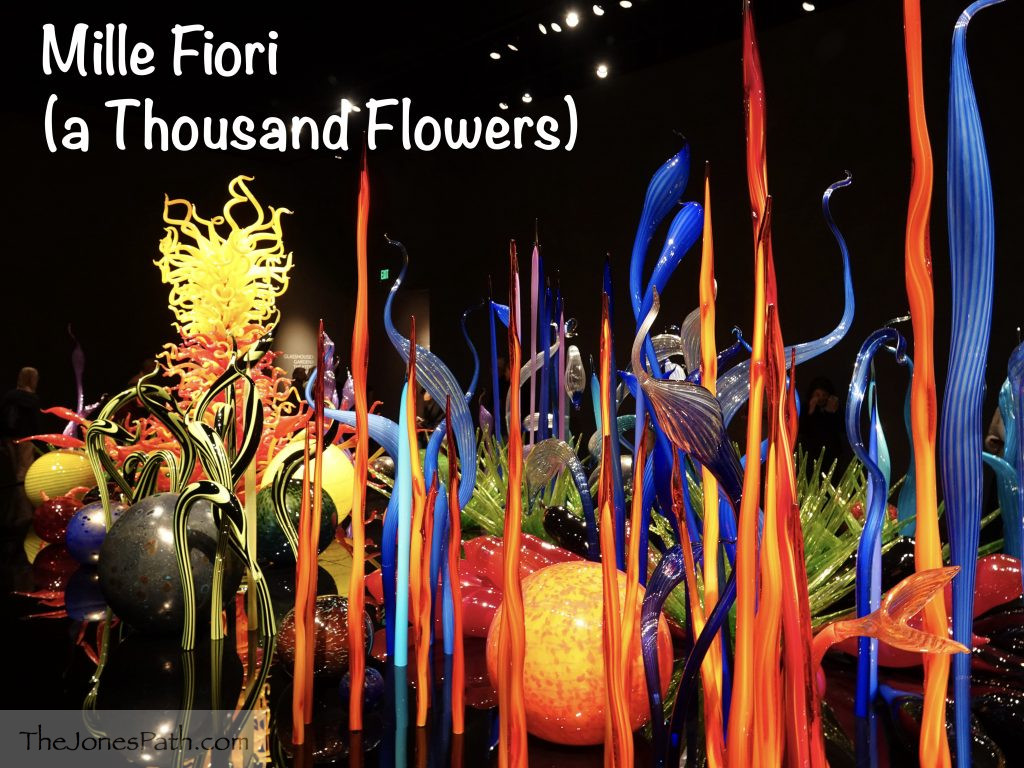
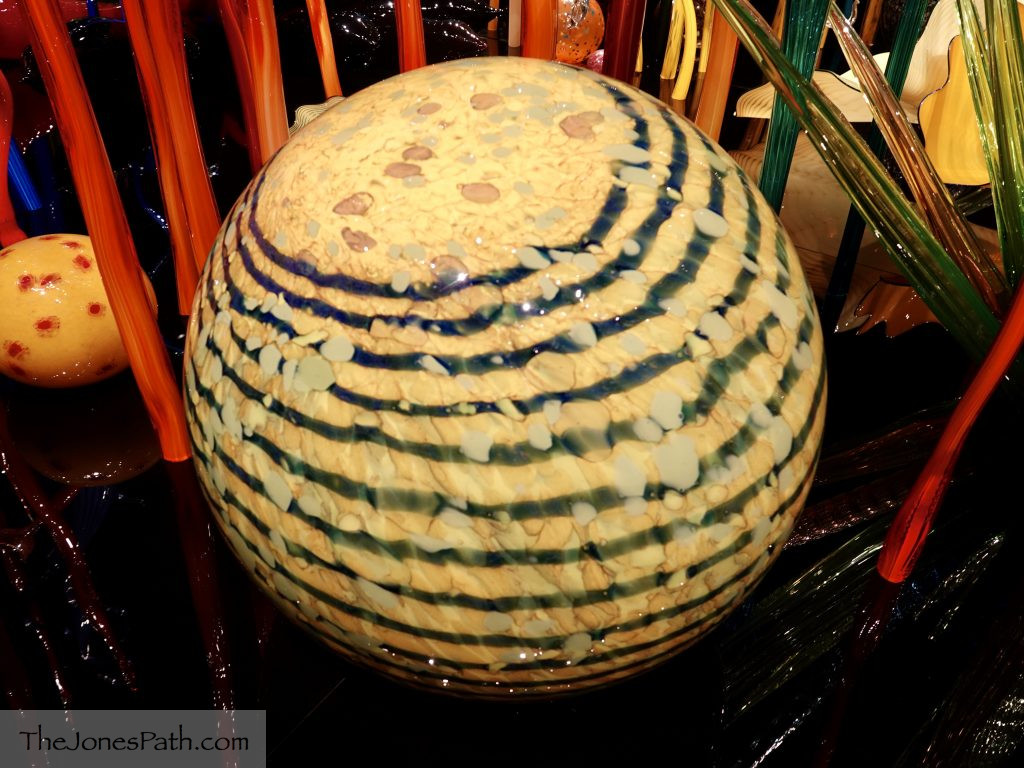




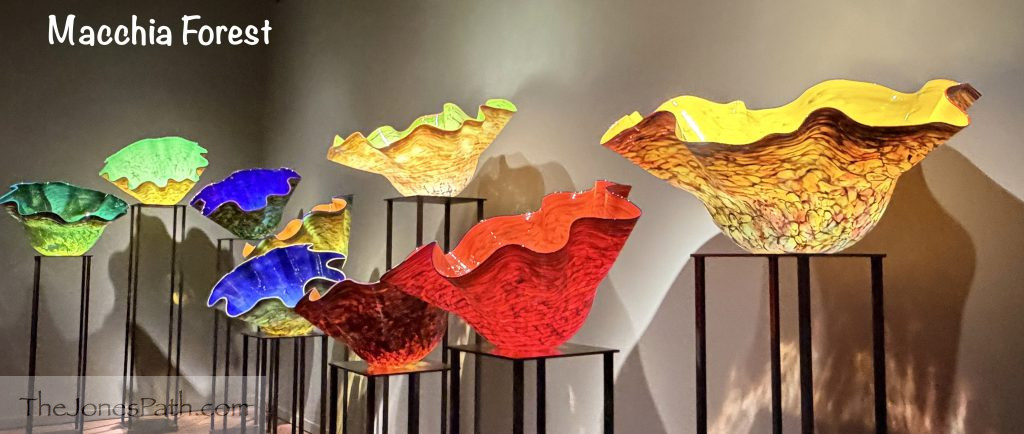
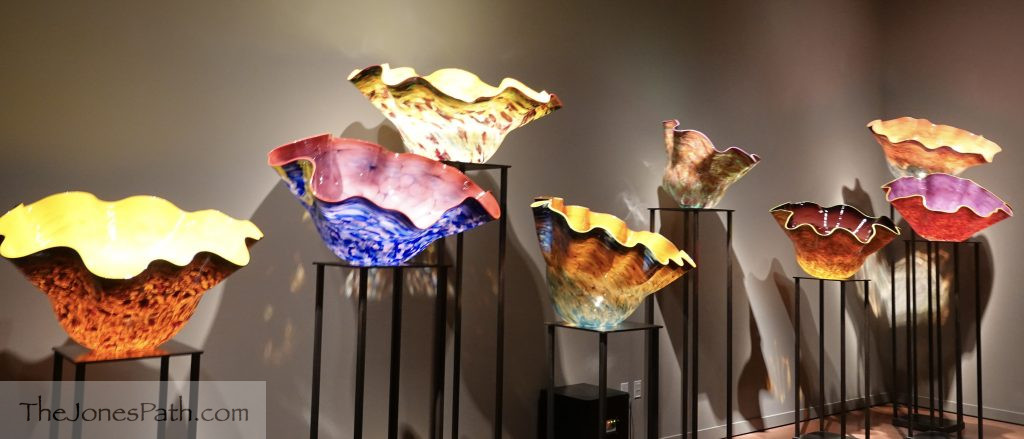

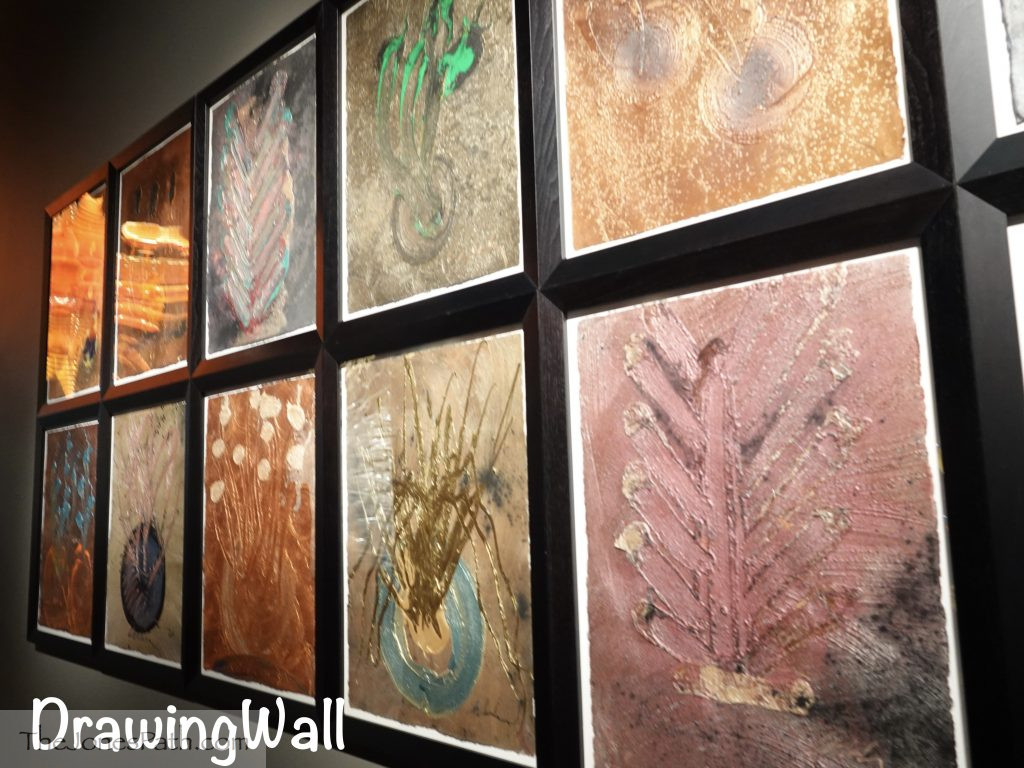
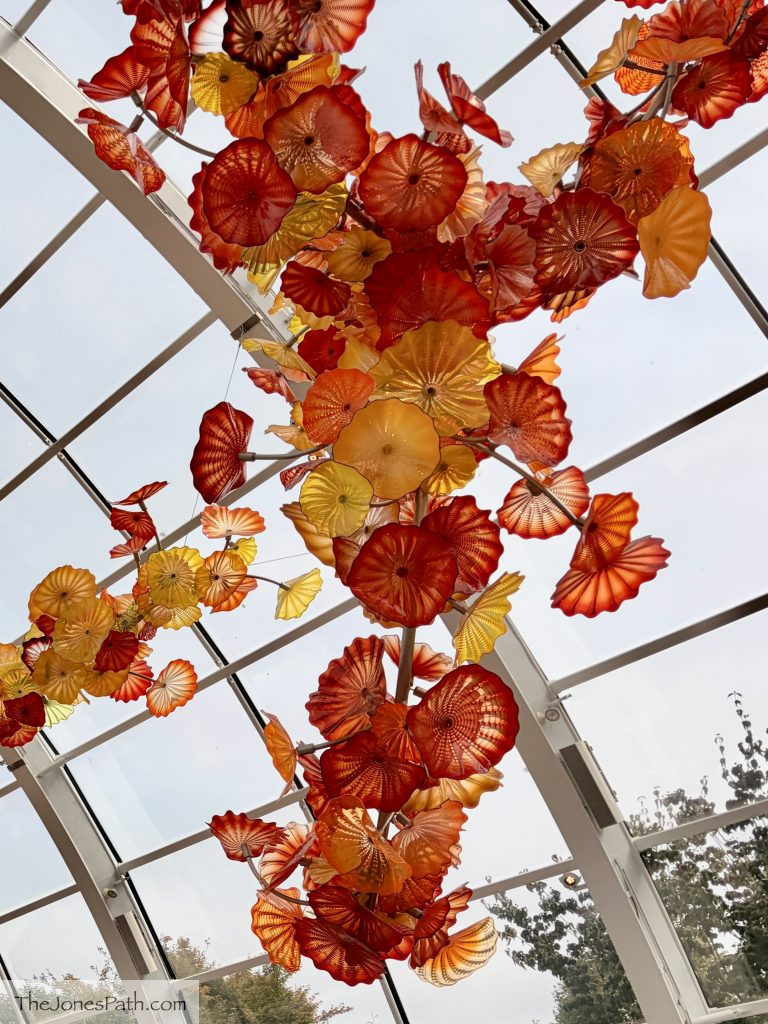

After finishing up inside, we headed out to watch a glass blowing demonstration and then walk around the gardens. Our next stop was The Bar, which is actually a restaurant too, for lunch, followed by a look at the gift shop. Despite seeing several that I really liked, we did not purchase a Chihuly. MW thought $8,500 was a little steep. LOL
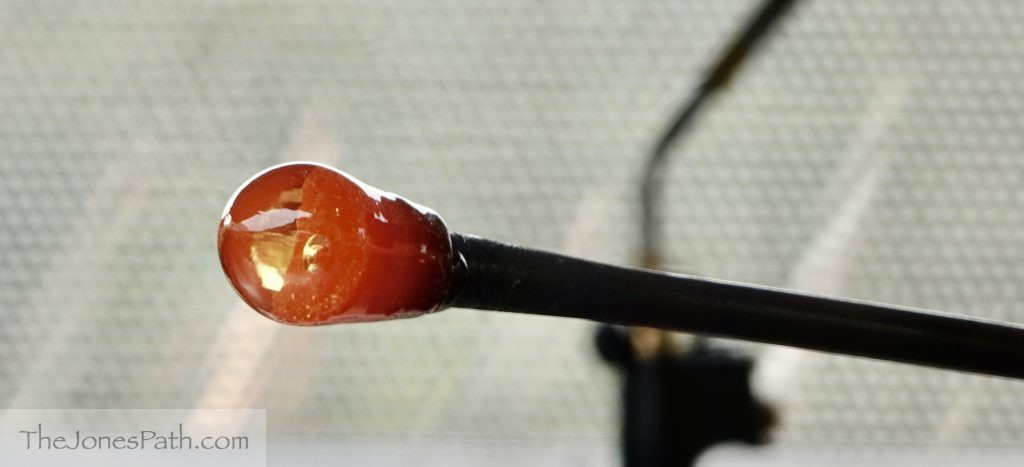
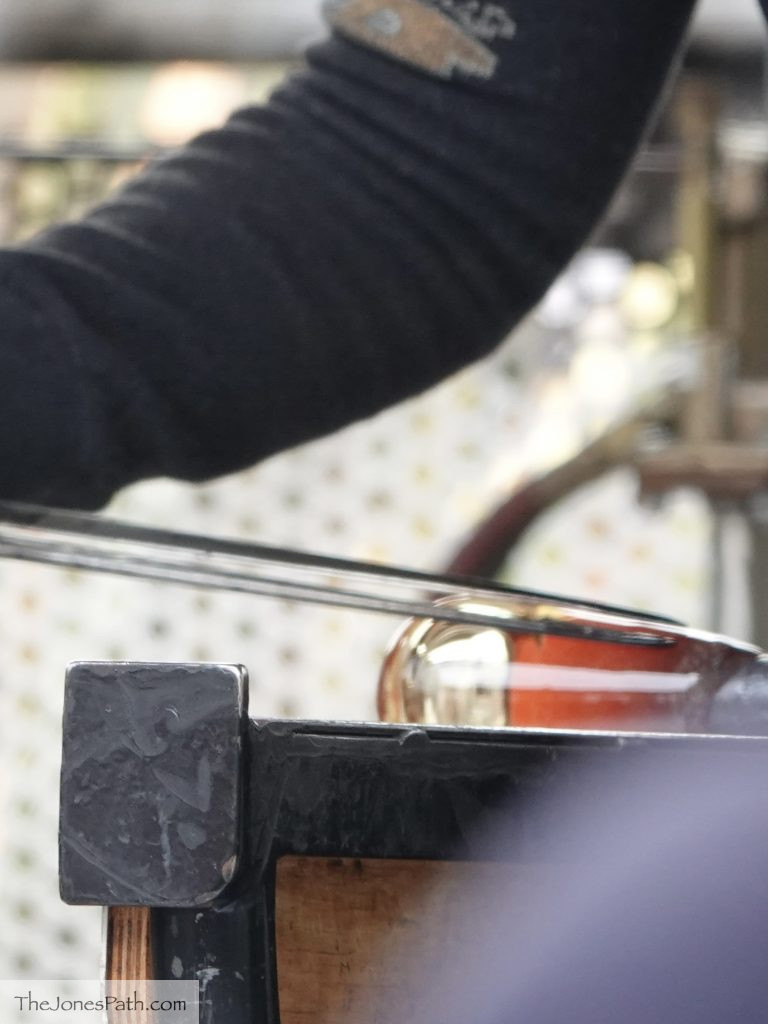
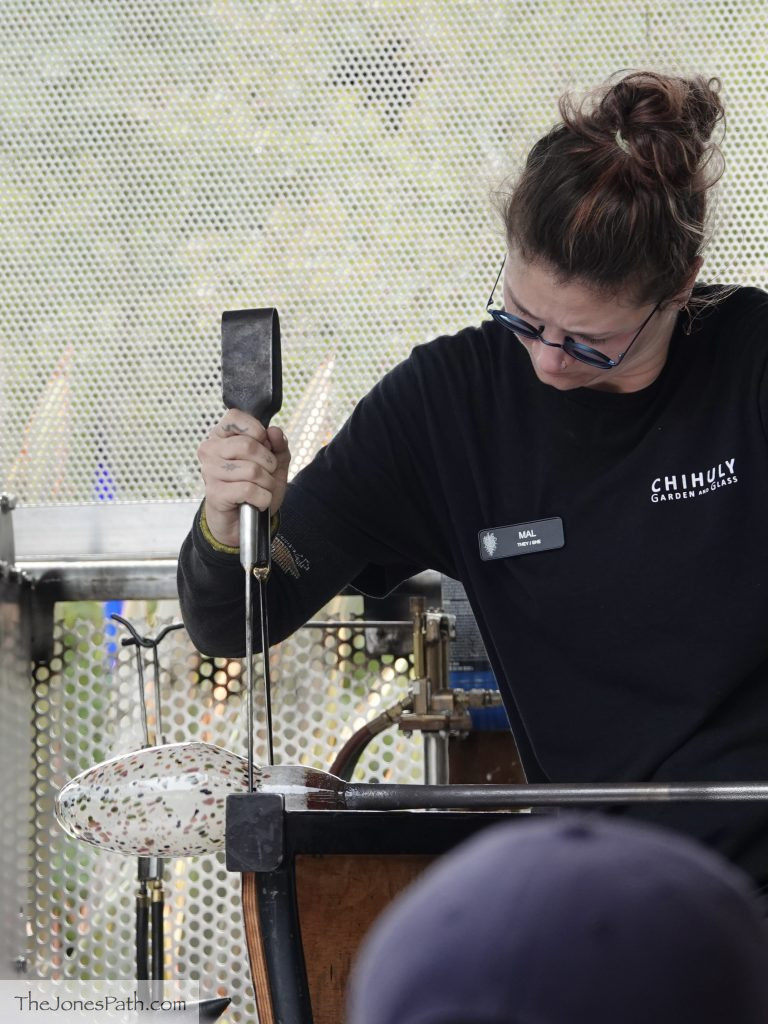
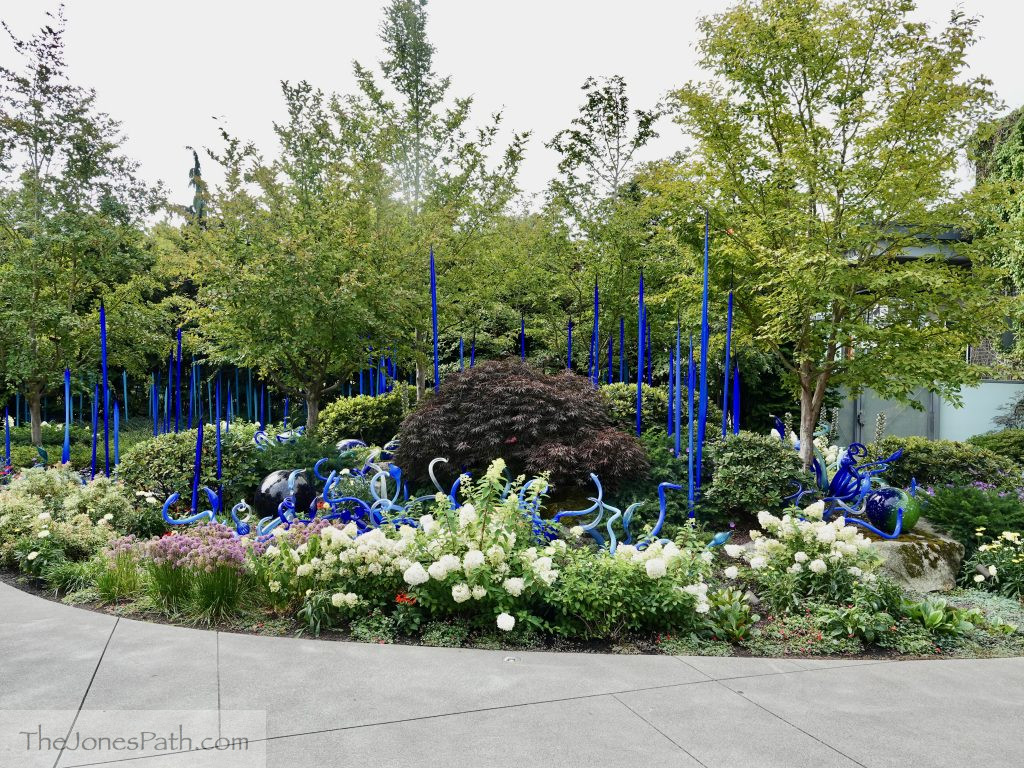

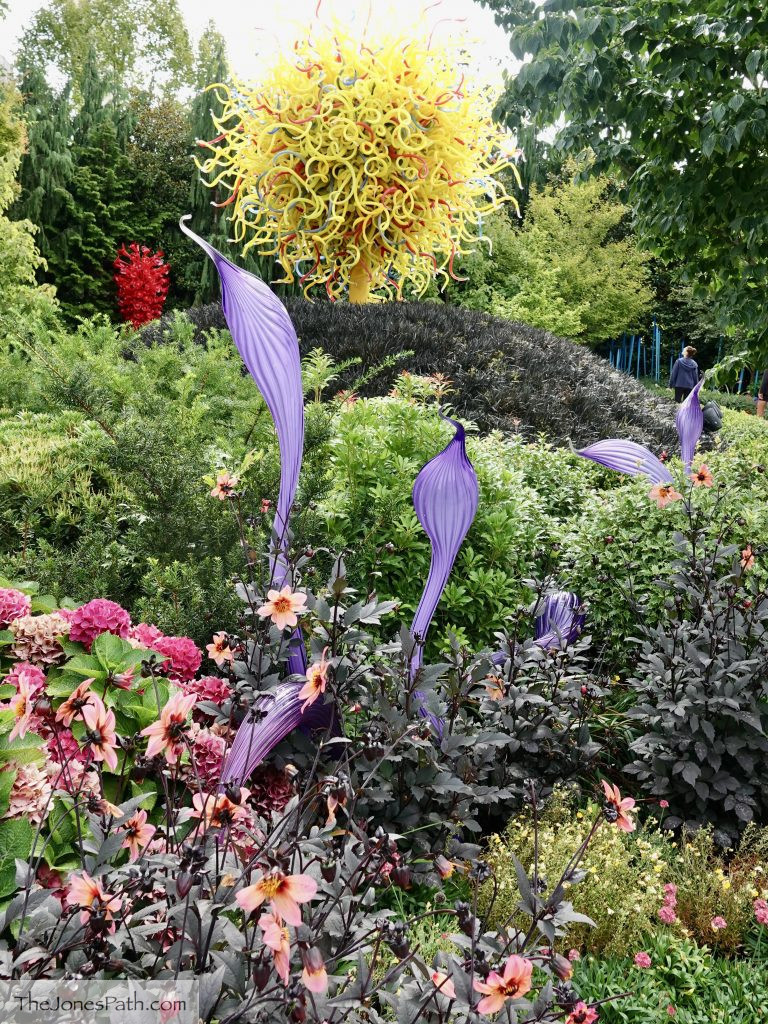
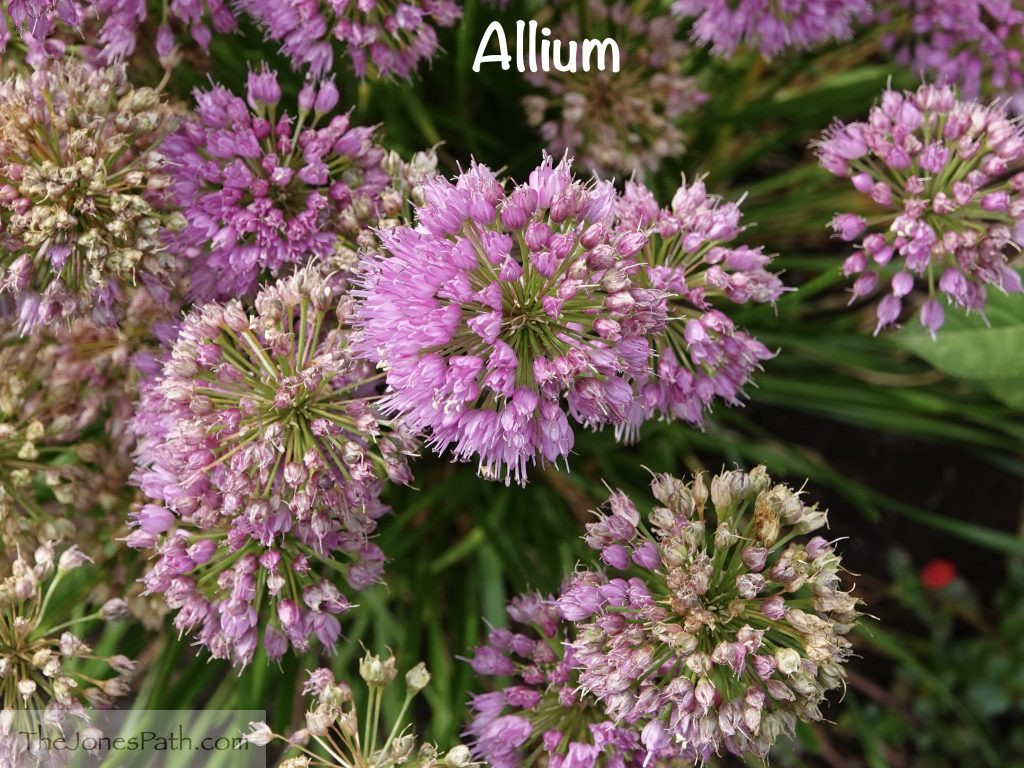

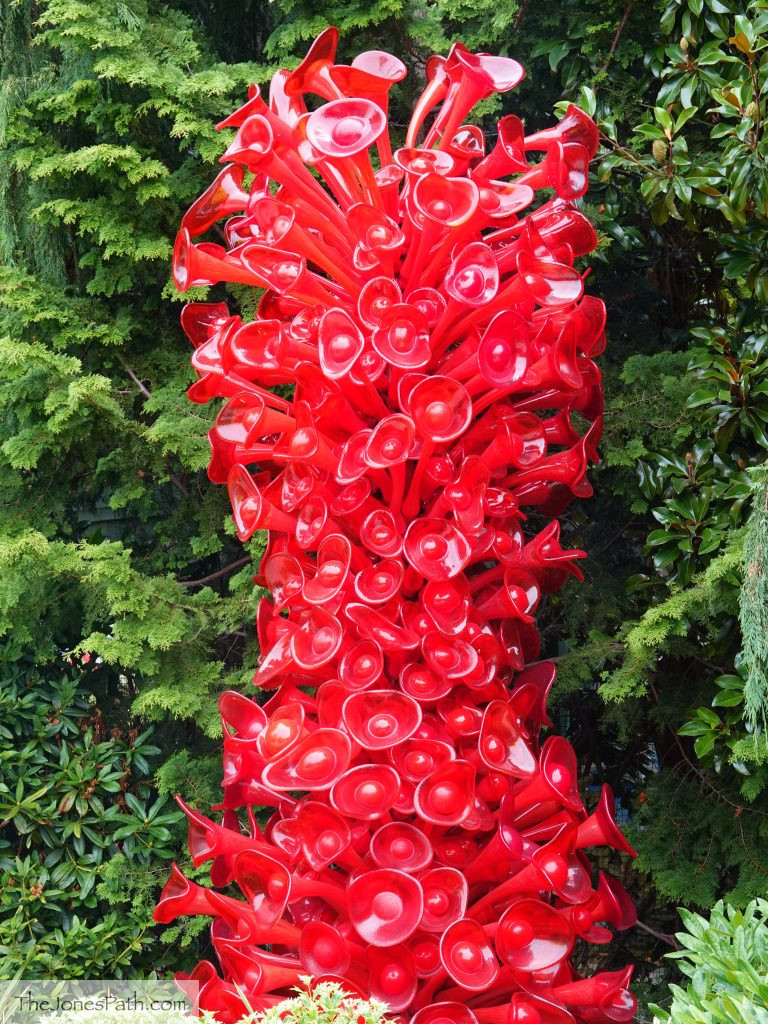

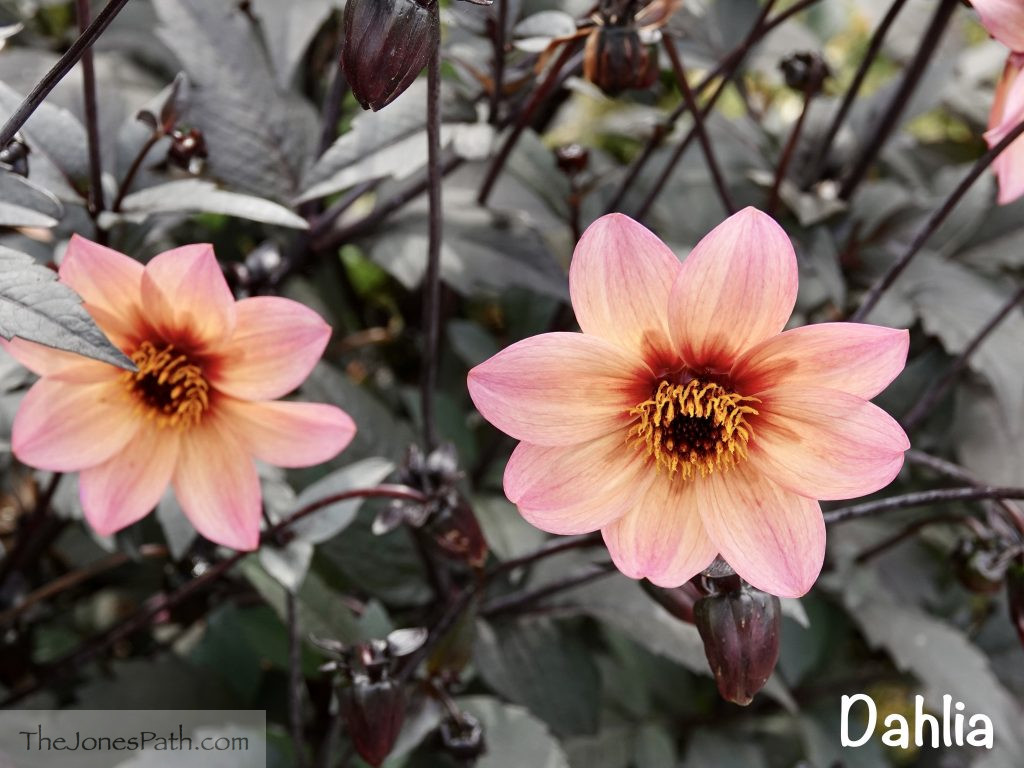
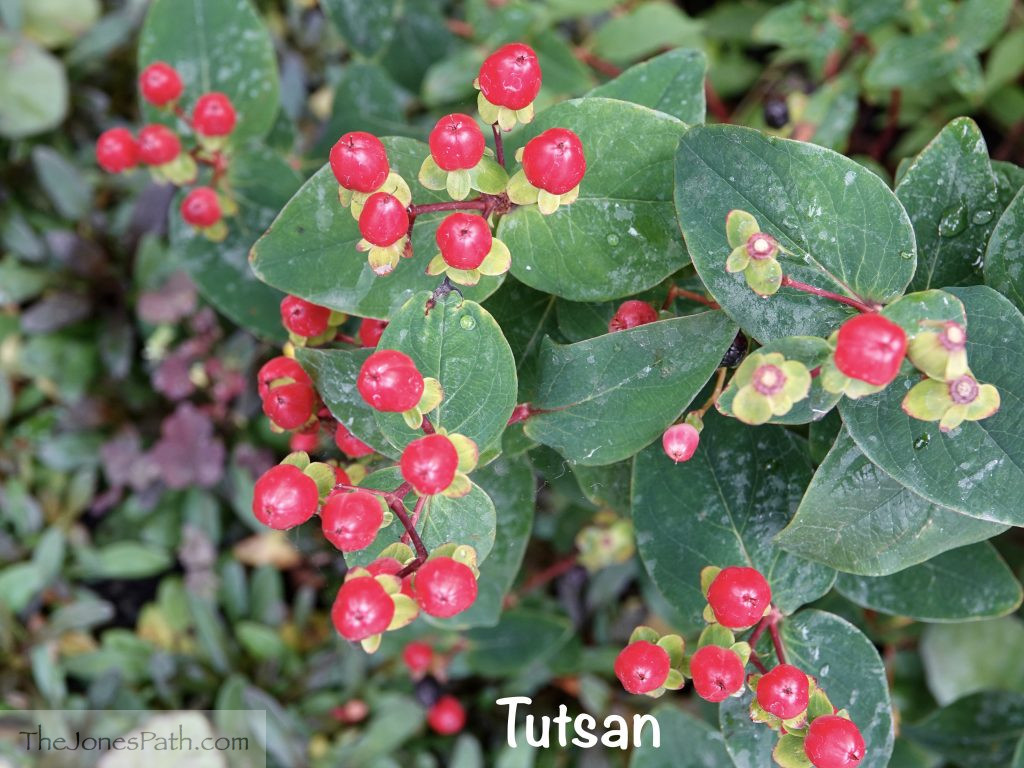
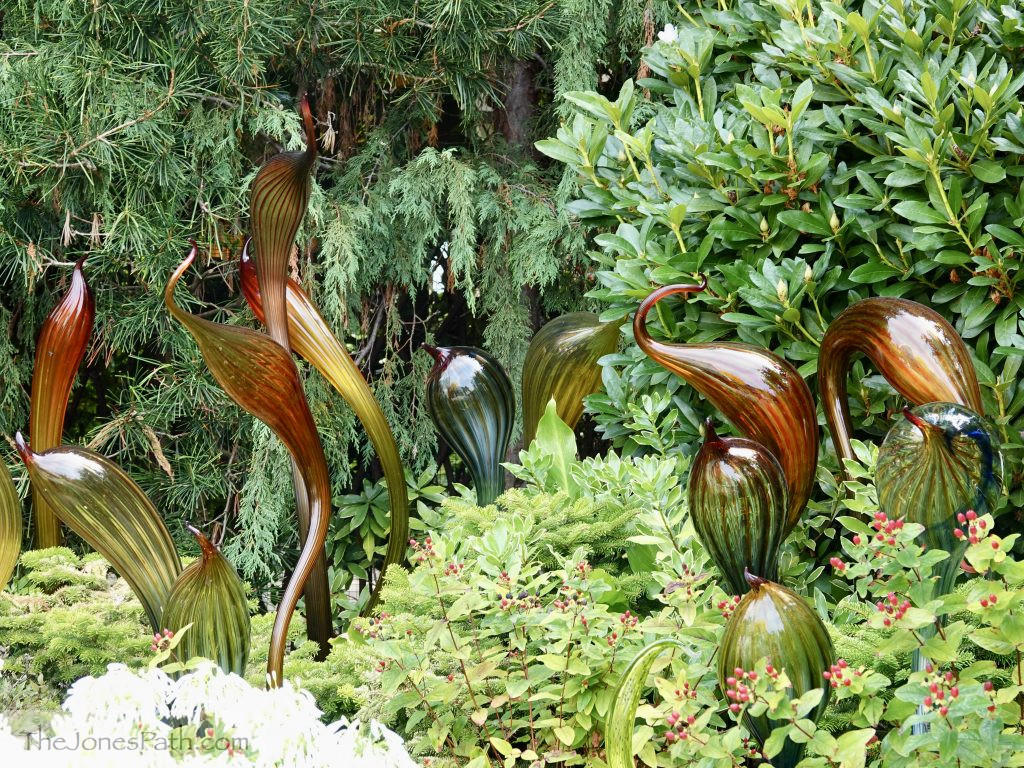
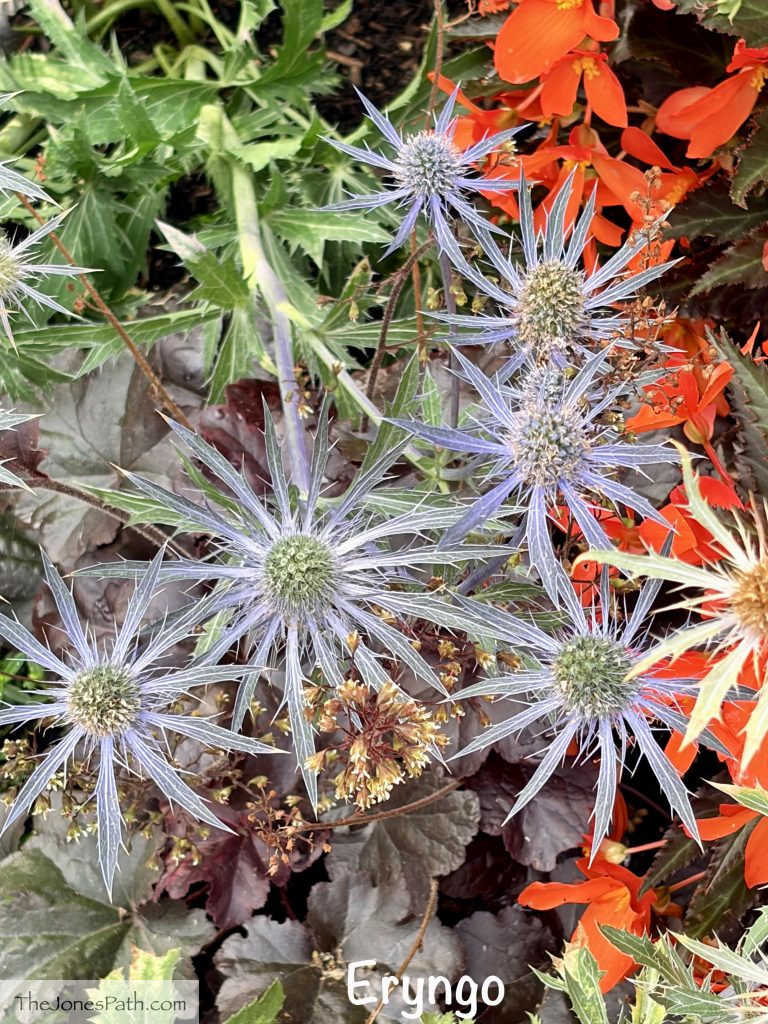
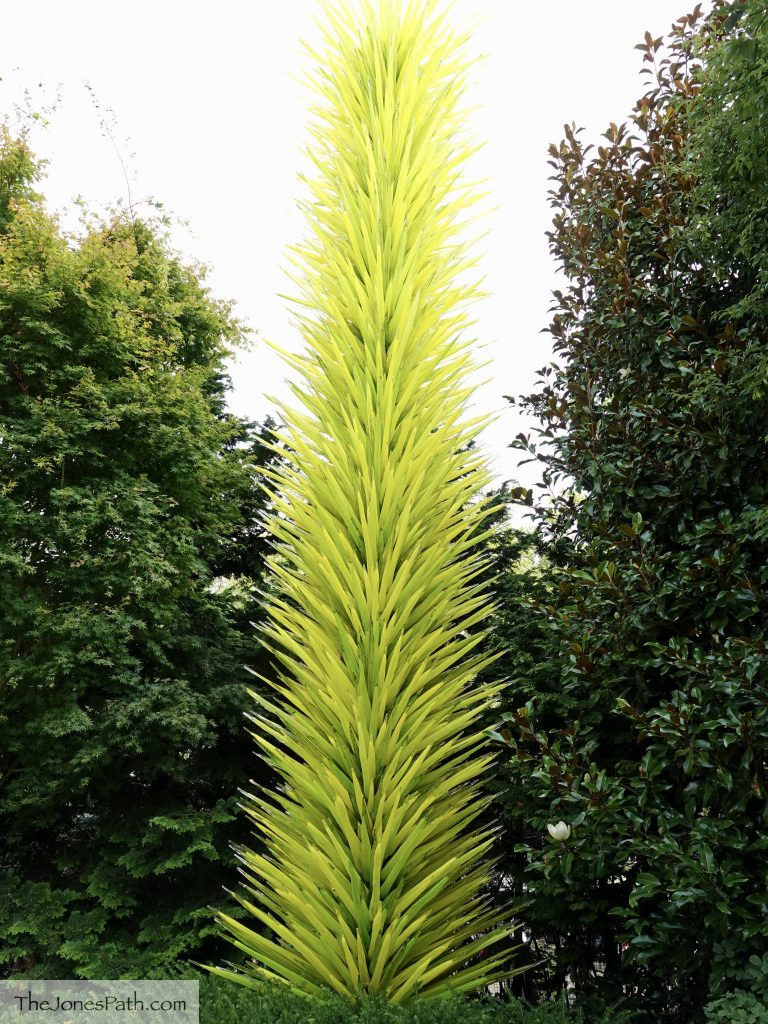
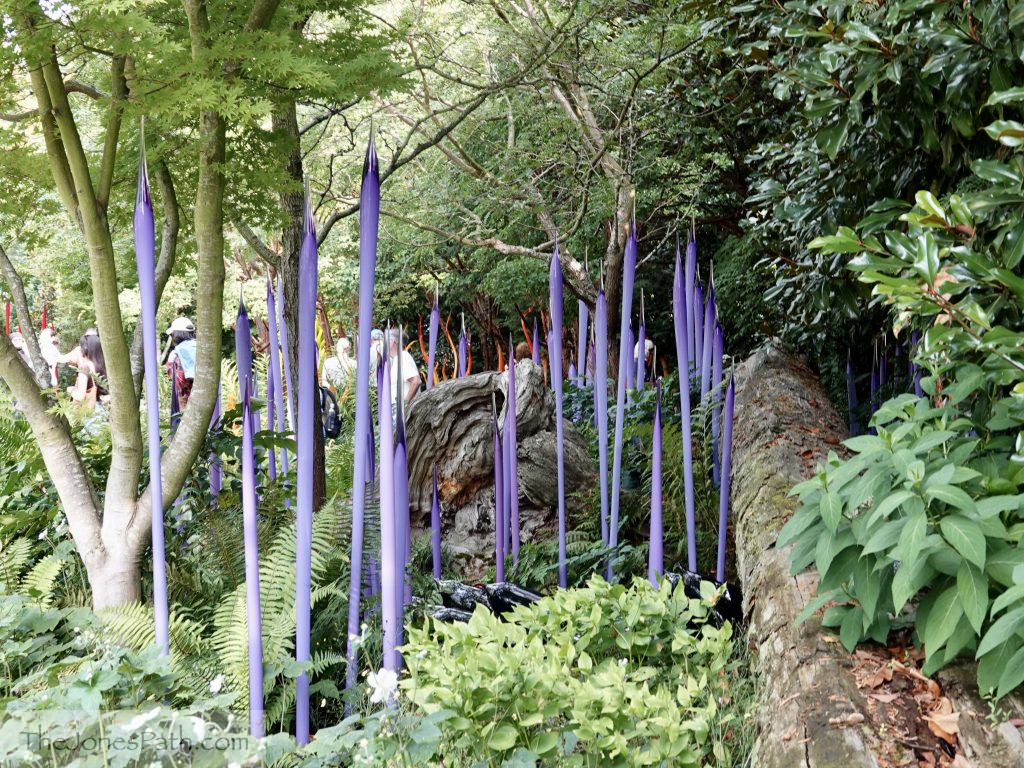
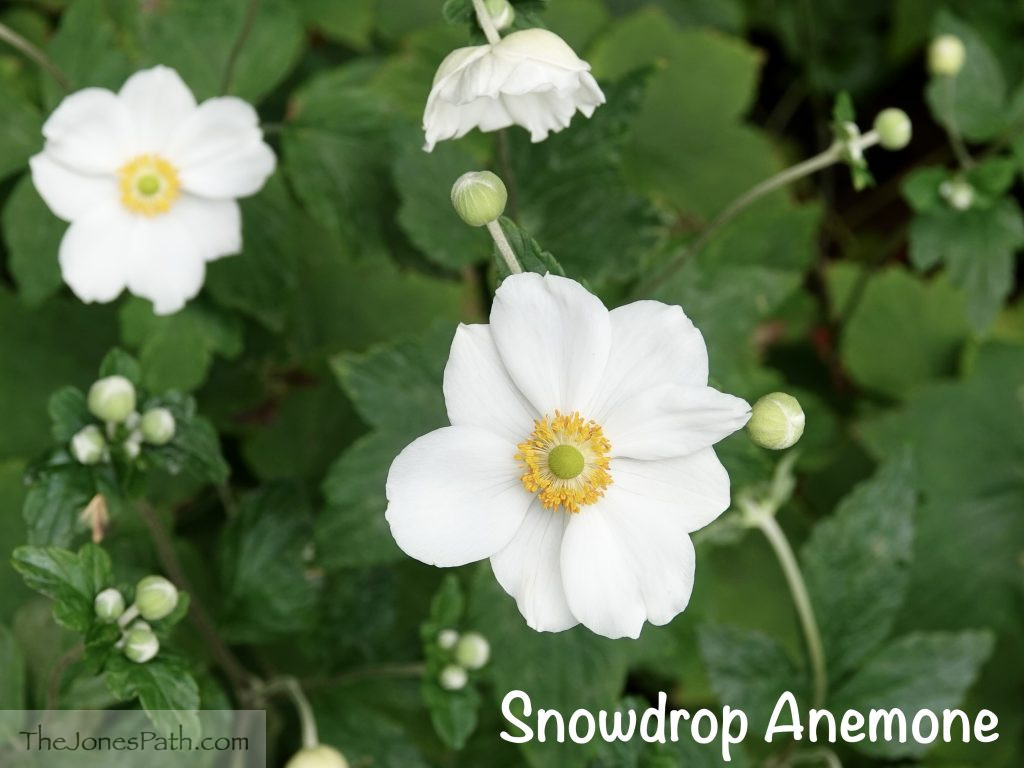
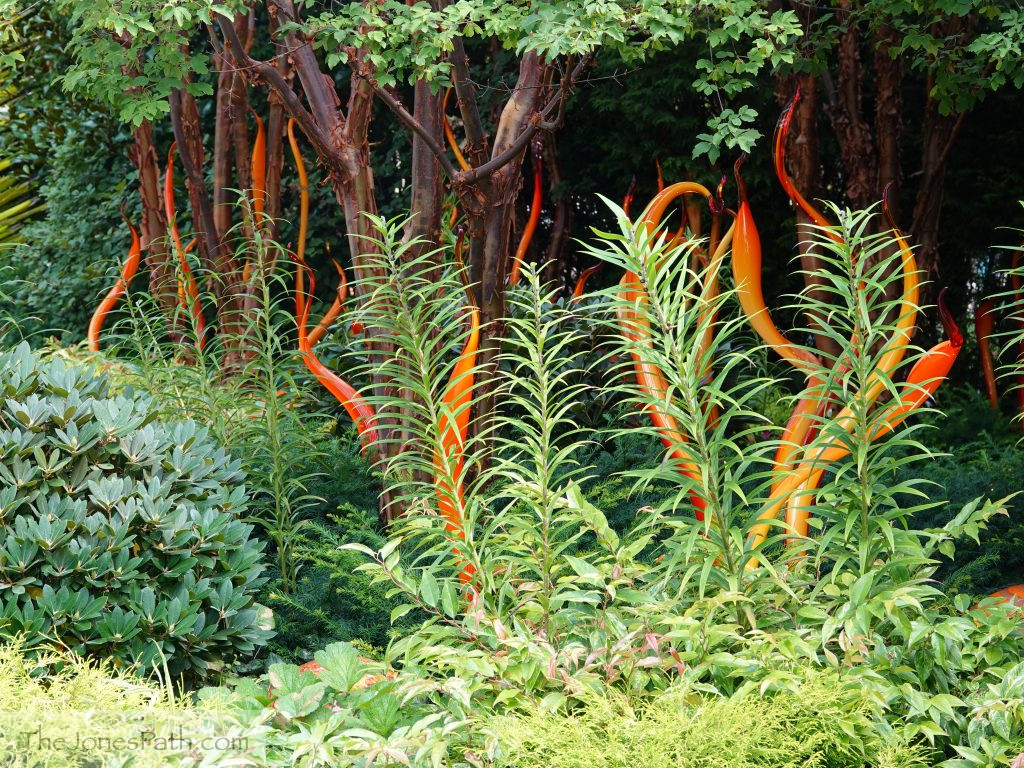
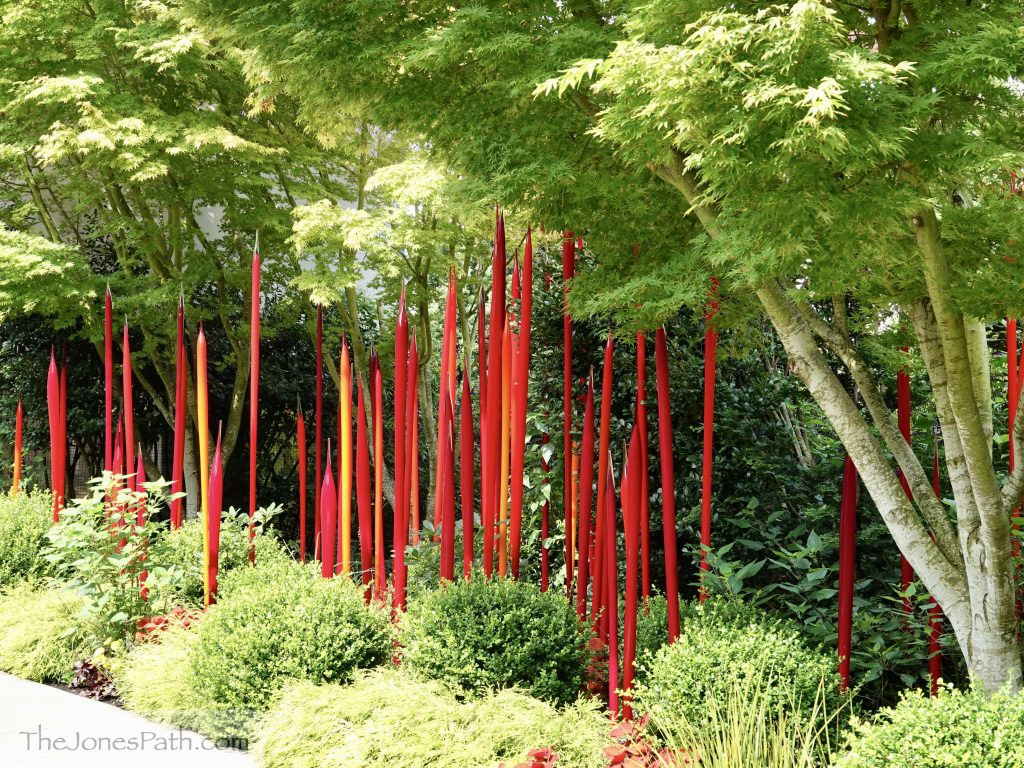
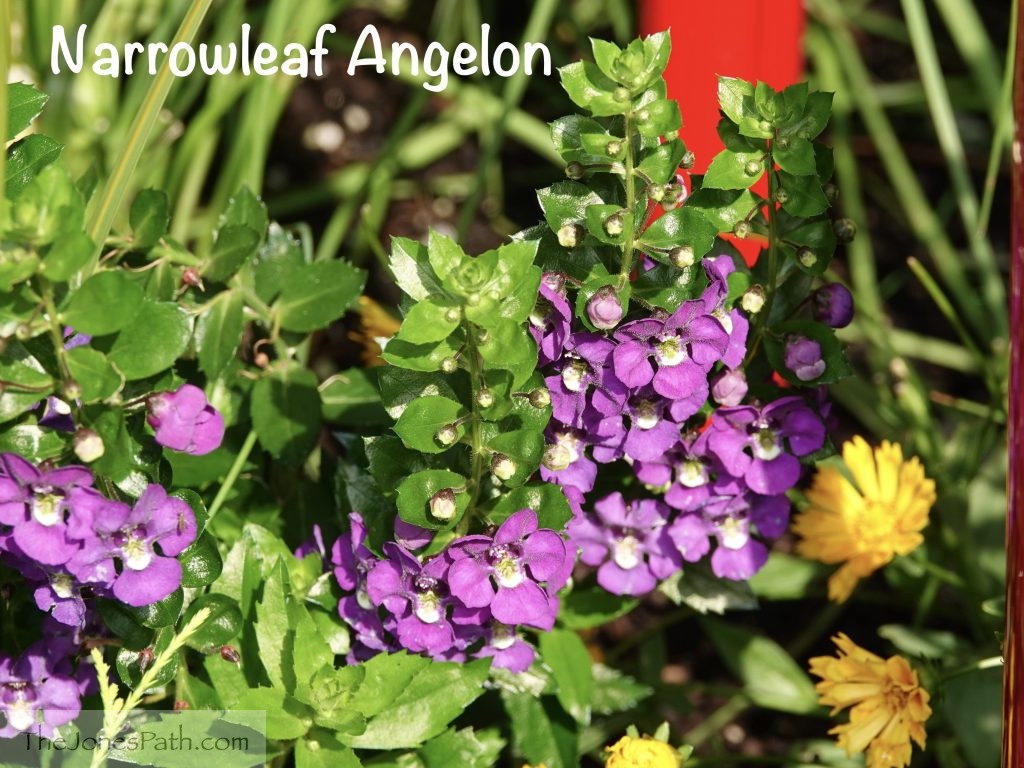
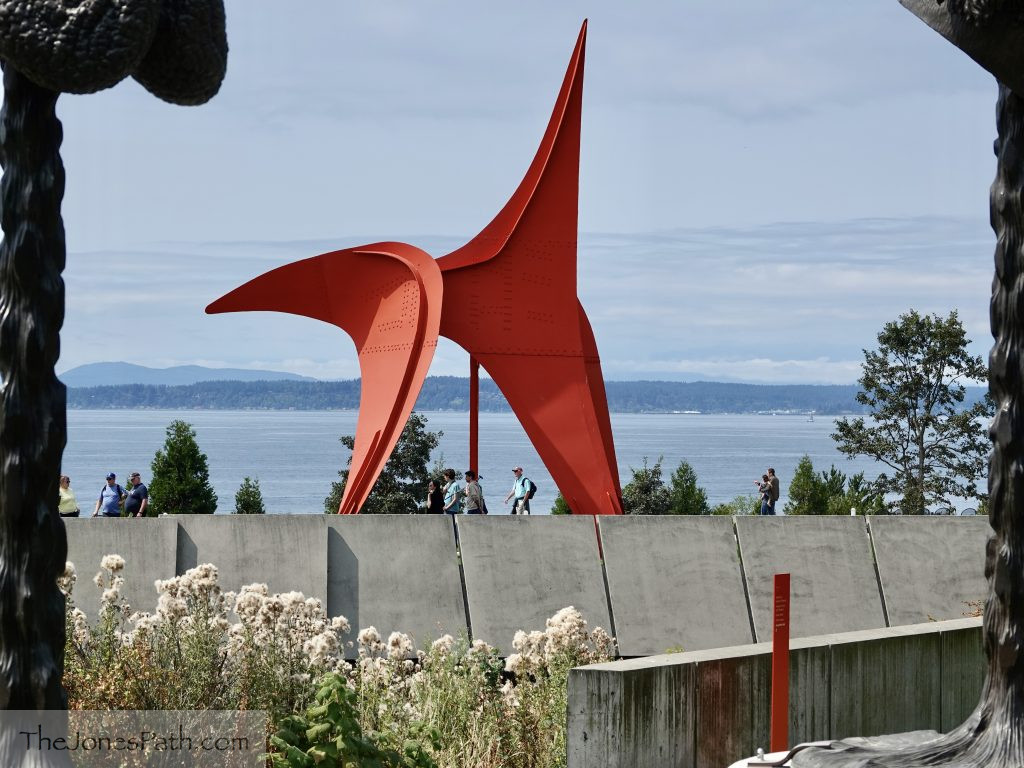
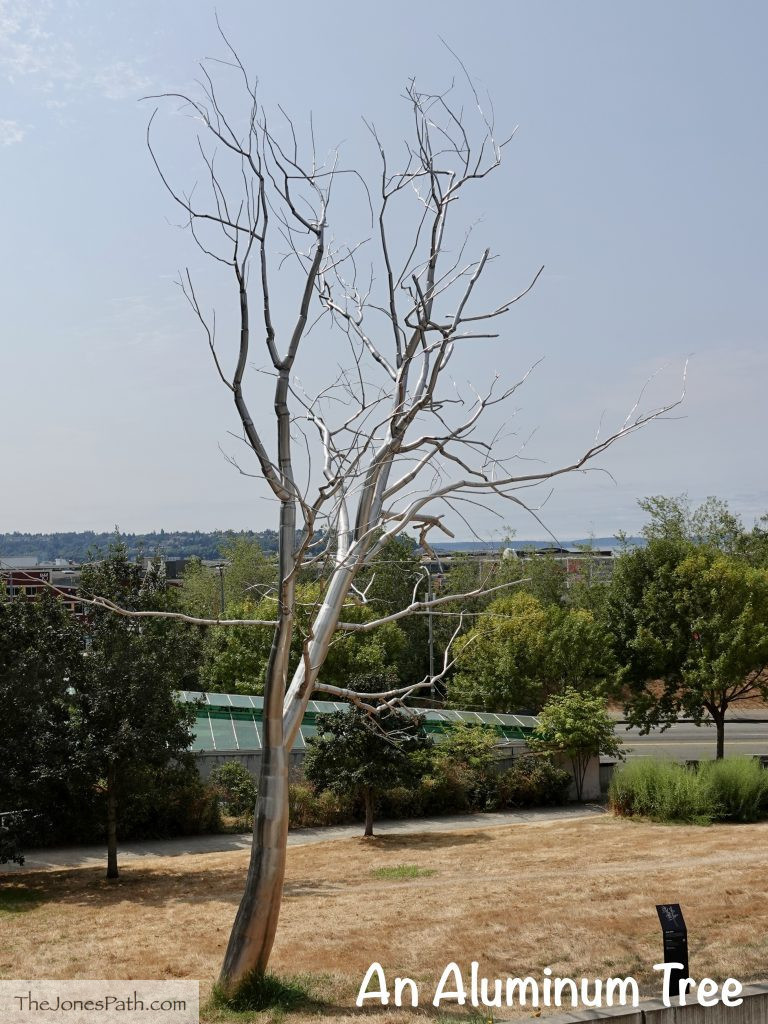
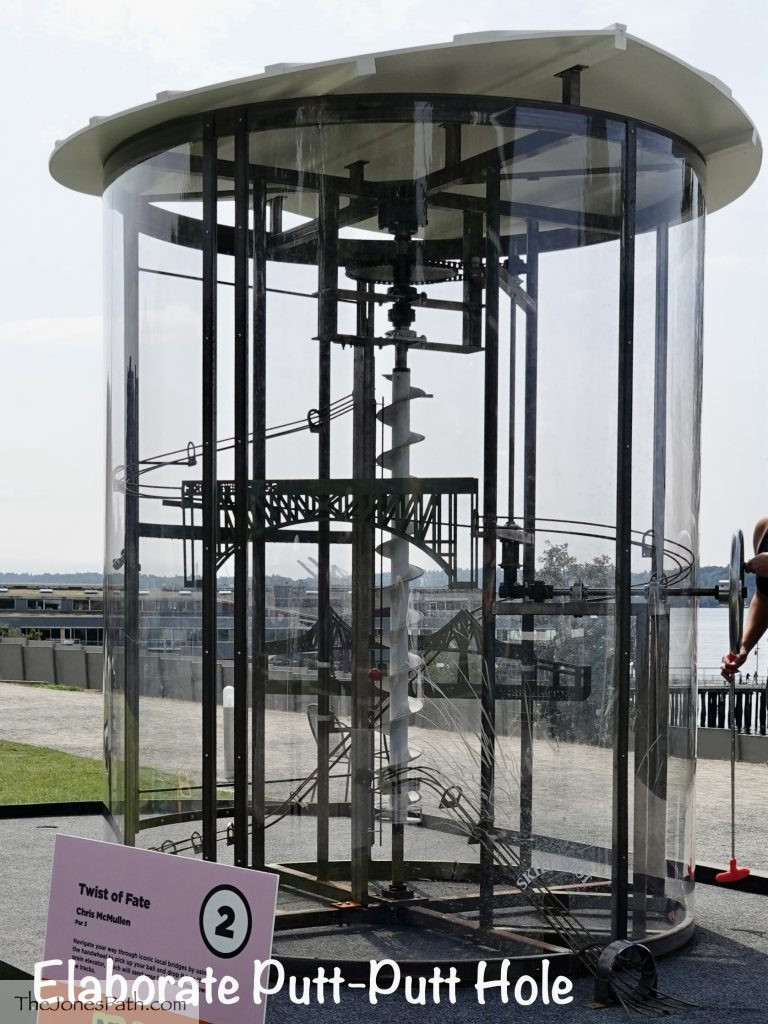
Next we took a walk down to the waterfront and checked out the Olympic Sculpture Park, then contemplated walking to the aquarium. I nixed that idea, though, when we realized it was still about a mile away. I was already busting 8k on my steps, and we still had to walk about 1/2 mile uphill to get back to the monorail. The hip is good, but no need to push my luck!

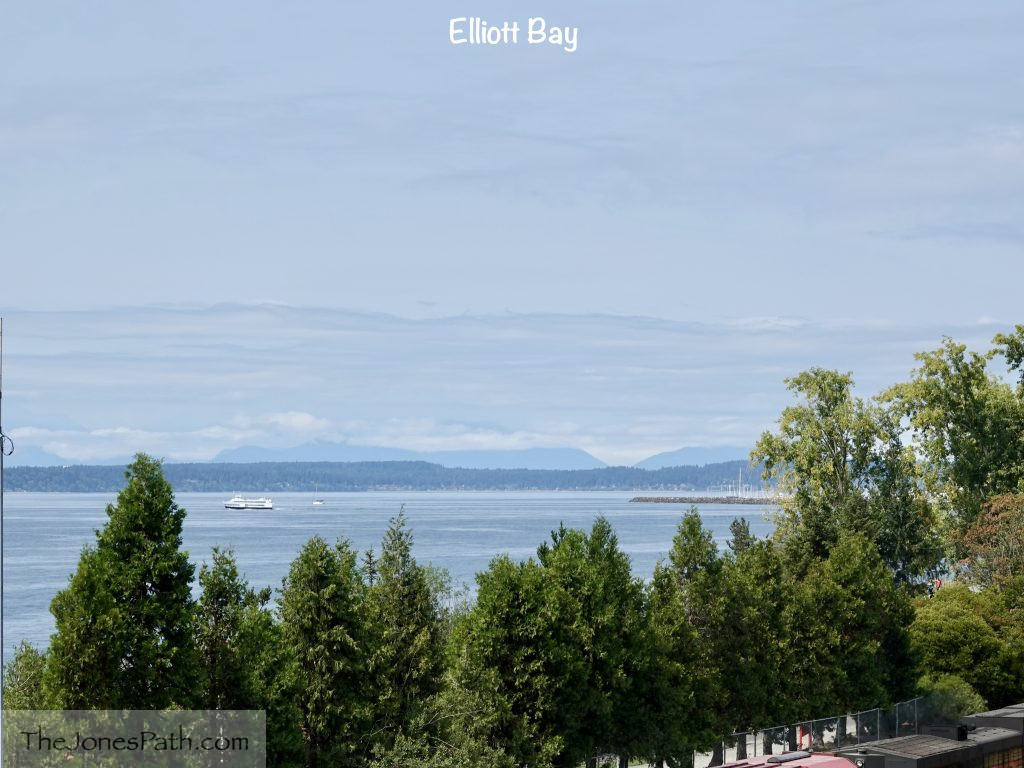
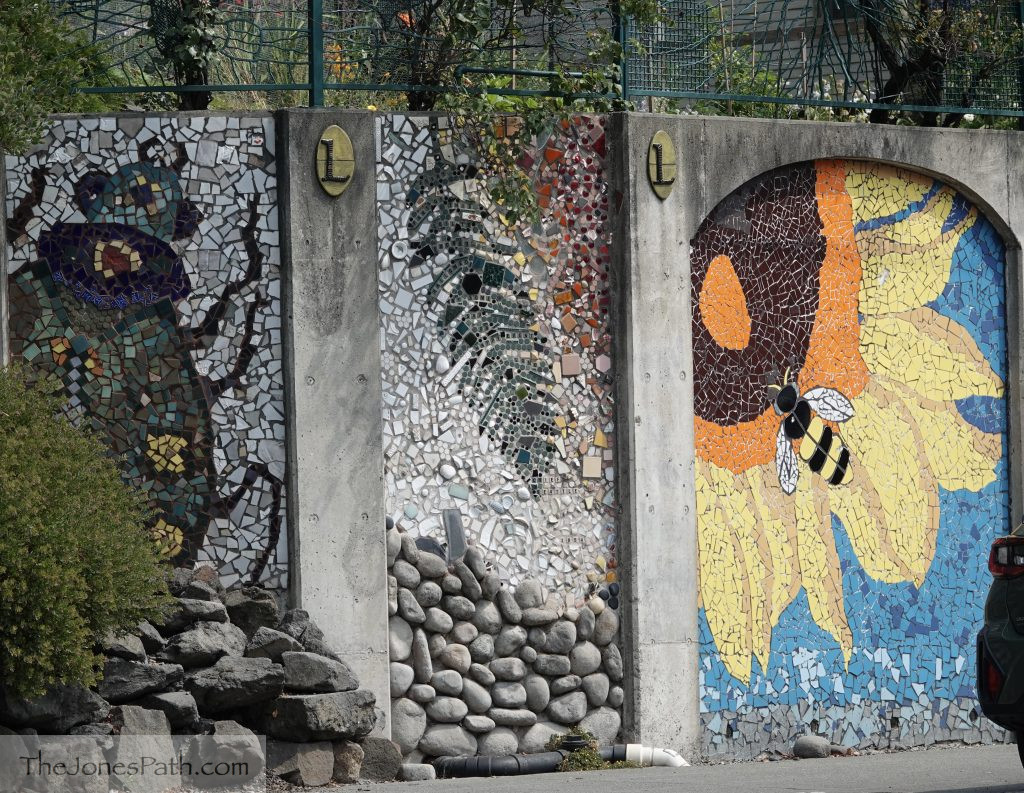


Sunday started with meeting Sandy for services at Calvin Presbyterian Church where Pastor Neil Trainer talked about “The Gospel’s Center”. Spoiler…it’s JESUS!! We ducked out at the very end to catch the ferry from Edmonds to Kingston, but missed the first one. Finally on the other side of the bay a little after 1 PM, we headed south past Allyn to Treasure Island arriving at the cabin of Brad and Ann Brucker at a little past 2. What a lovely afternoon! The Bruckers are friends of both Buddy and Sandy, and Brad spoke at Buddy’s Celebration of Life. (I wish I could say I remember him from there, but that day is all a blur.) They invited us over to their beautiful place for lunch and pulled out all the stops…a basic shrimp boil (corn, potatoes, sausage, shrimp, but cooked separately – my favorite), plus fresh fruit, and delicious bread. As if that weren’t enough, Brad picked blackberries from the abundant bushes in the neighborhood and made TWO homemade blackberry pies, served with or without ice cream! YUM!! More important than the food, though, was learning about their mission to plant indigenous-led churches in Africa through EPIC House and Ann’s studio near their home in Oregon where she teaches art to young and old alike. (I really wish I were closer for an extended period so I could take some lessons.) After enjoying a leisurely lunch, we moved out to their fire pit area which overlooks Case Inlet. Honestly, were it not for the long trip back, we could have stayed there all evening! I certainly hope this isn’t the last time we get together with those two. Sunday evening is a busy time for the return ferry, so instead of risking a long wait, we drove east over to WA-16, then south to Tacoma, followed by the dreaded I-5 north. We dropped Sandy off in Shoreline, then made it back to Priscilla just before bedtime.
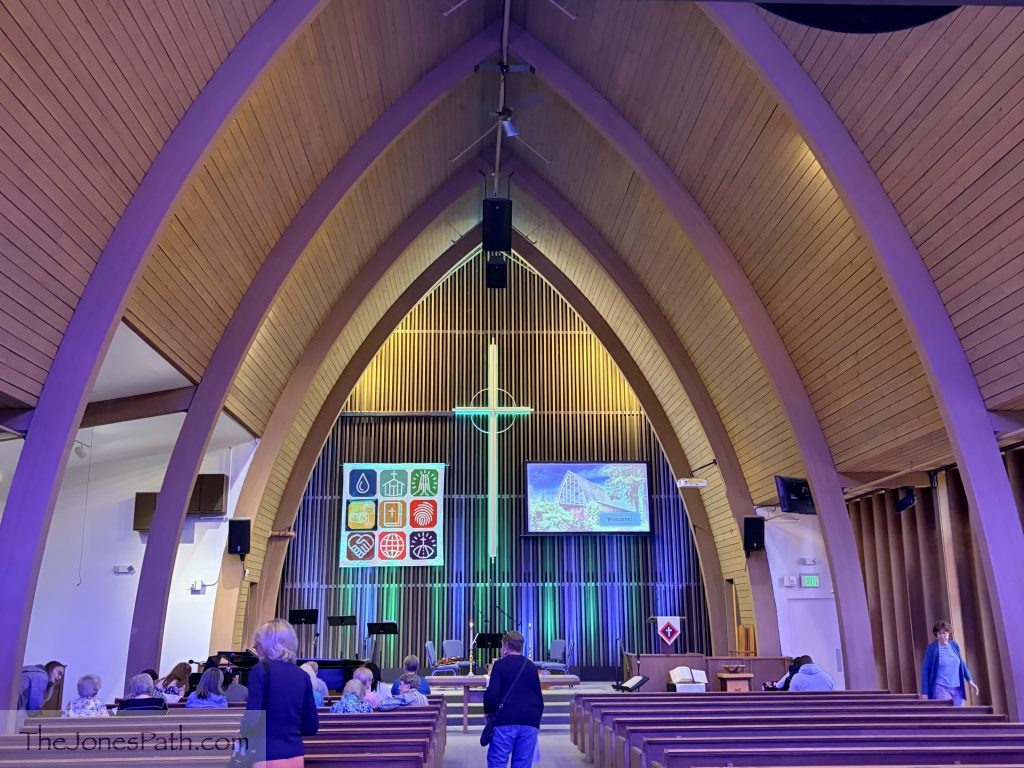
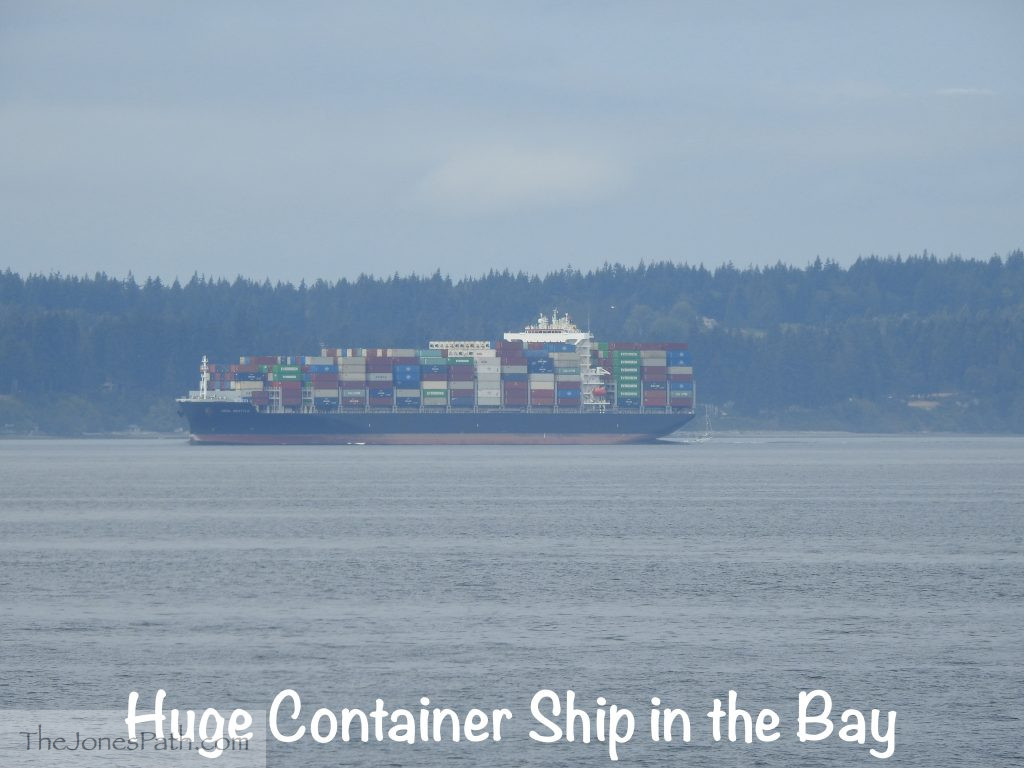

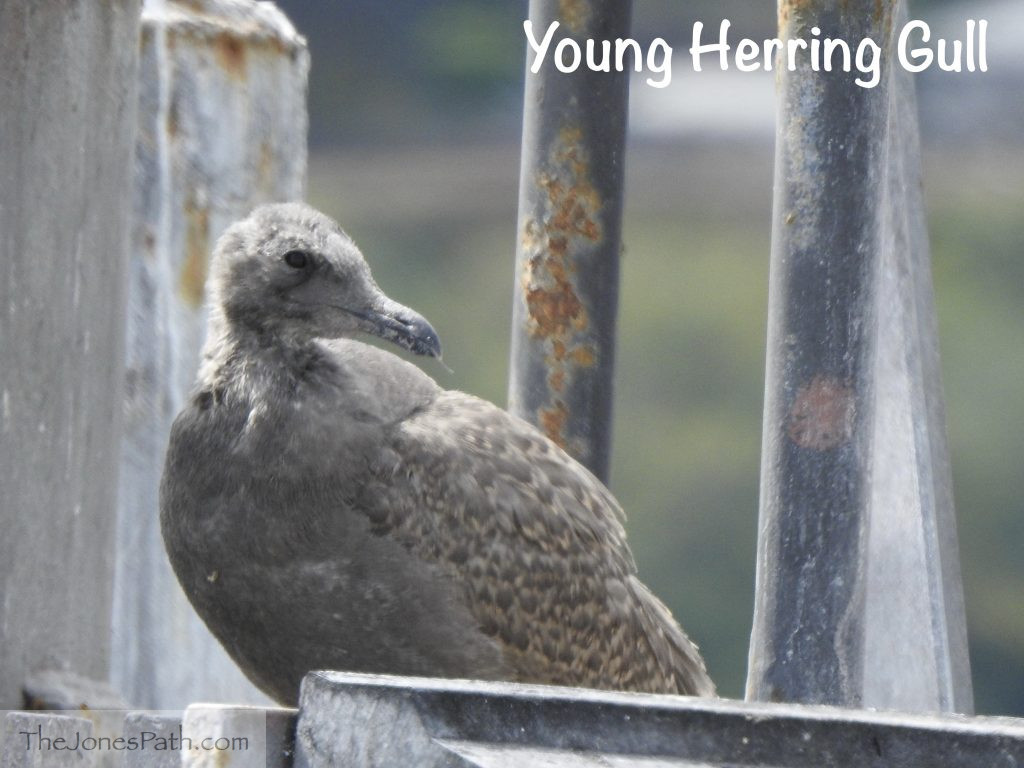

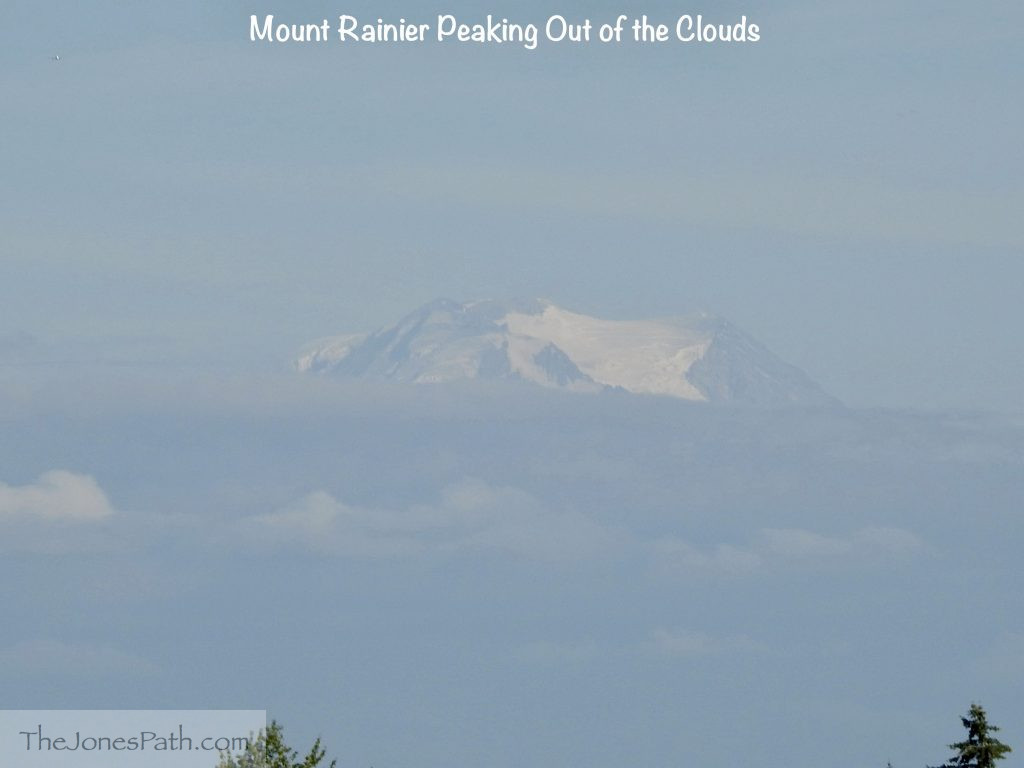
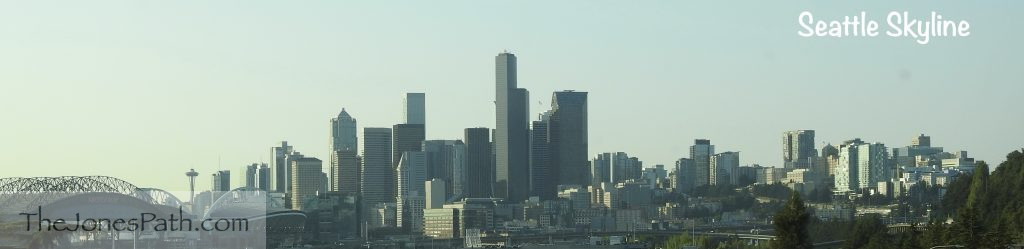
We’ve stayed at Lake Pleasant RV Park in Bothell, Washington, several times since we started this traveling odyssey. The review from our June 2022 visit is here, and nothing has really changed. For this stay in August 2026, we paid just under $80.50 per night for 4 nights in a full-hookup, pull-through site.
Well, that was plenty to digest. Next up…”Baseball, Amazing Rocks, and” uhhh, I’m not quite sure yet! Whatever it is, you know I’ll share. See you on the path!!
Talisa
Sources: Company, attraction, and campground websites and brochures, Wikipedia, and flower identification sites.
P.S. Thank you so much for reading! Use the buttons at the top right or bottom to be notified of new posts, and please SHARE, SHARE, SHARE on social media!