QUOTE OF THE DAY: “Sight is good, but faith is better.” 1 Corinthians 5:7
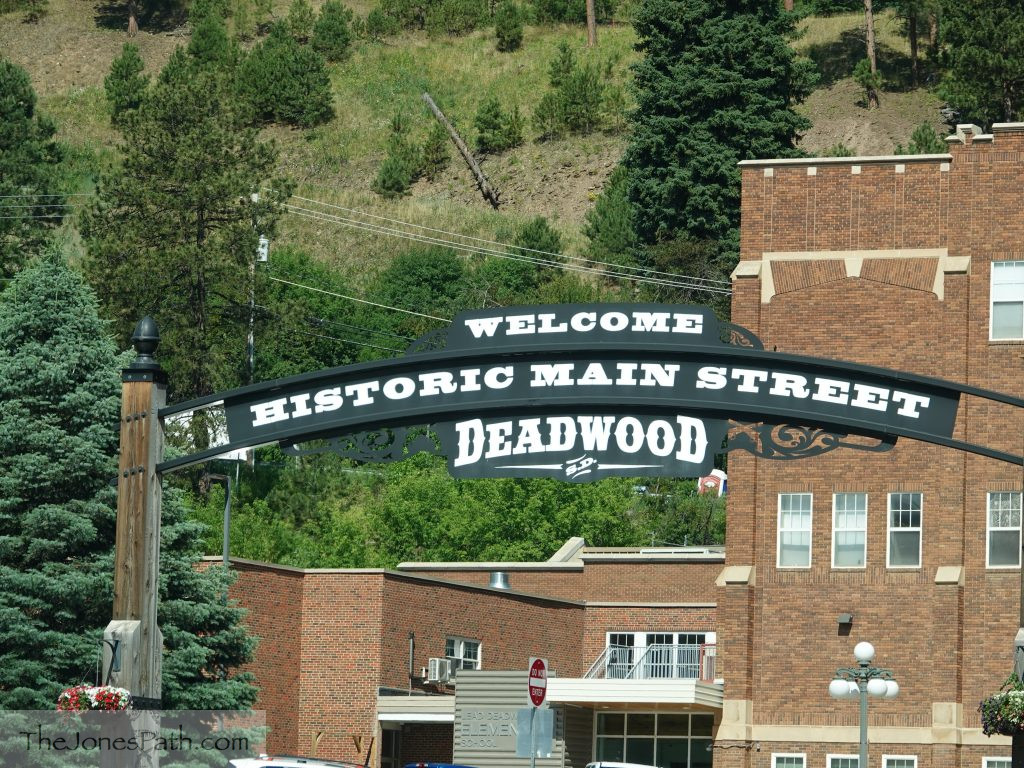
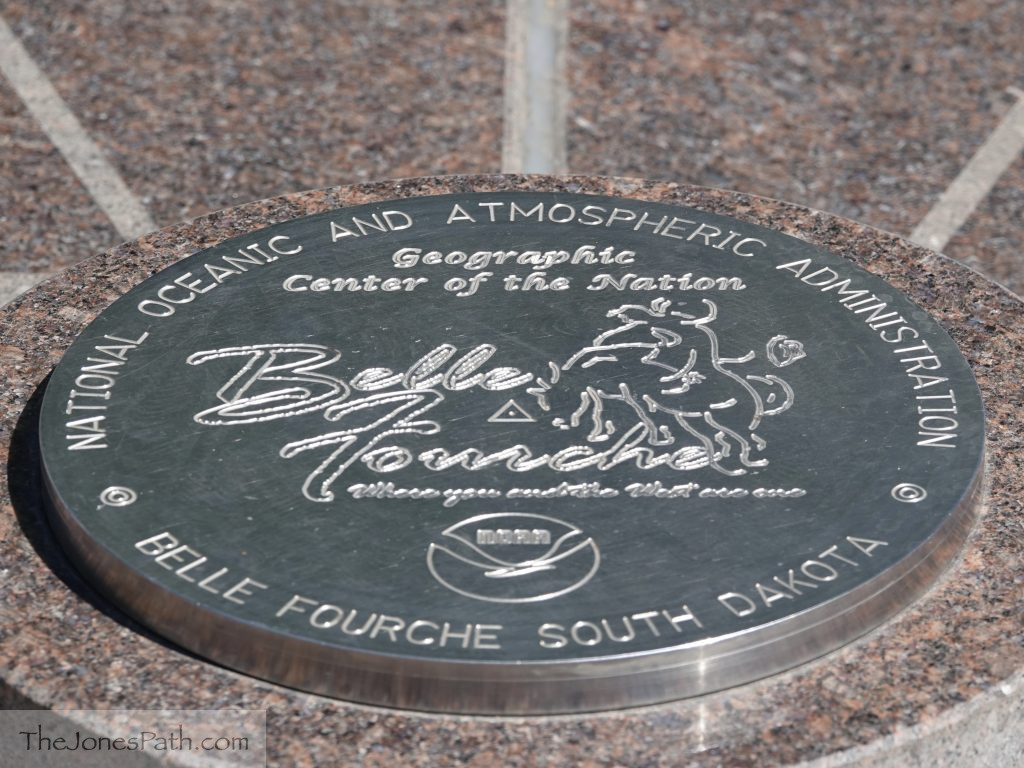
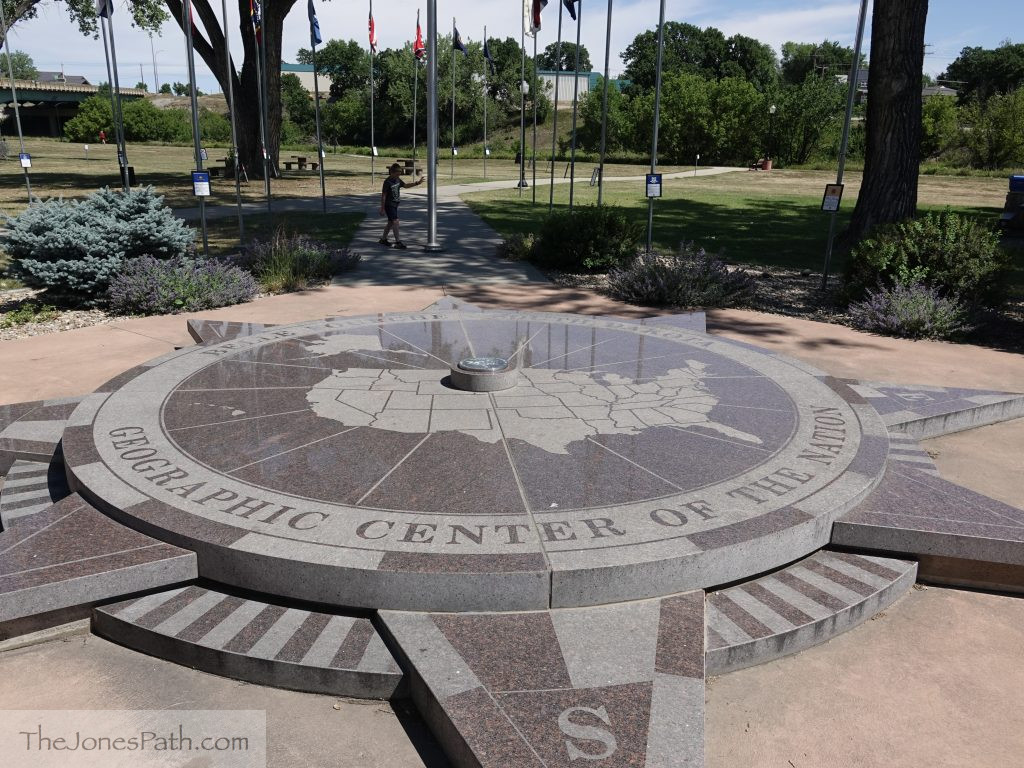
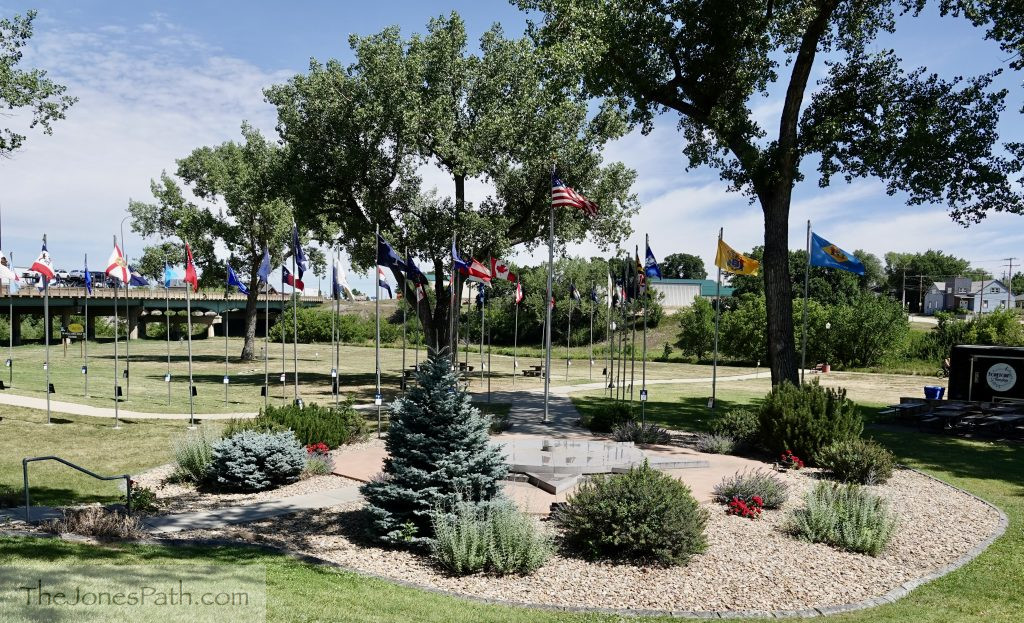
Monday, July 6, again found us heading north on US-385 through Custer, Hill City, and Deadwood (We checked out both Lead and Deadwood on a previous trip.) up to I-90. There we zig-zagged to SD-34 west, passing through St. Onge to Belle Fourche, South Dakota, where we made our first stop to stretch our legs and check out the Geographic Center of the United States Monument. The actual center is about 20 miles north of town on private property (latitude 44 degrees 58’N, longitude 103 degrees 46’W) where the owner has a flagpole. The monument is at the Belle Fourche Visitor Center alongside the Veterans Memorial. Before getting back on the road, we grabbed a bite for lunch at Crossroads Diner (pass on this one).
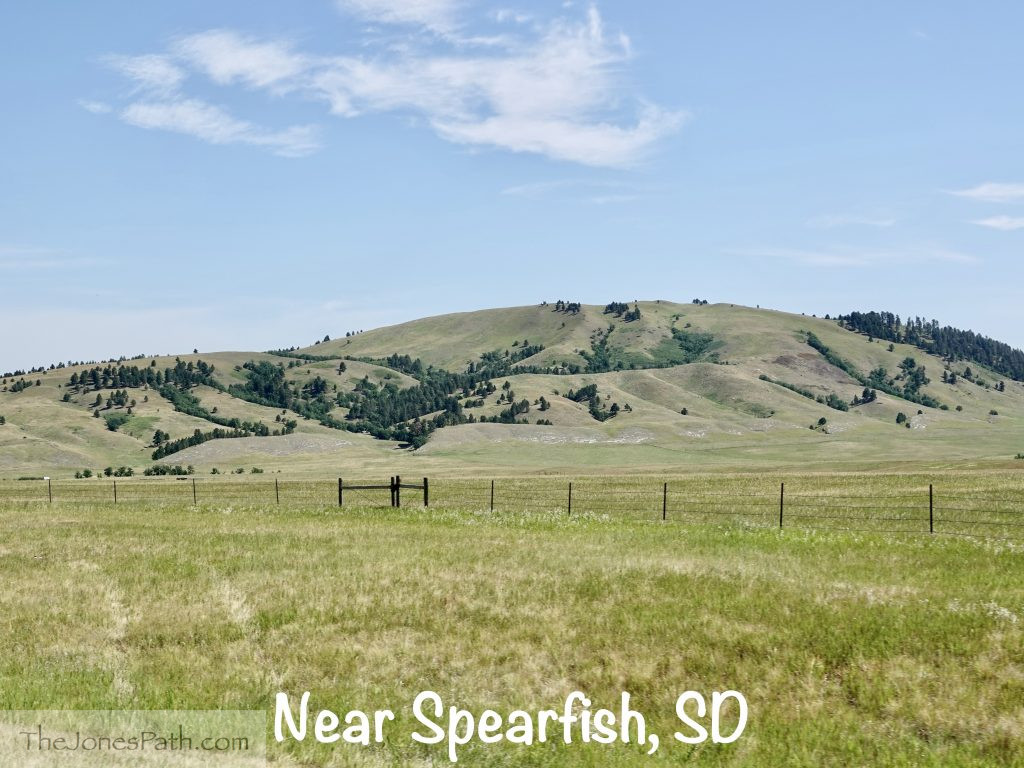

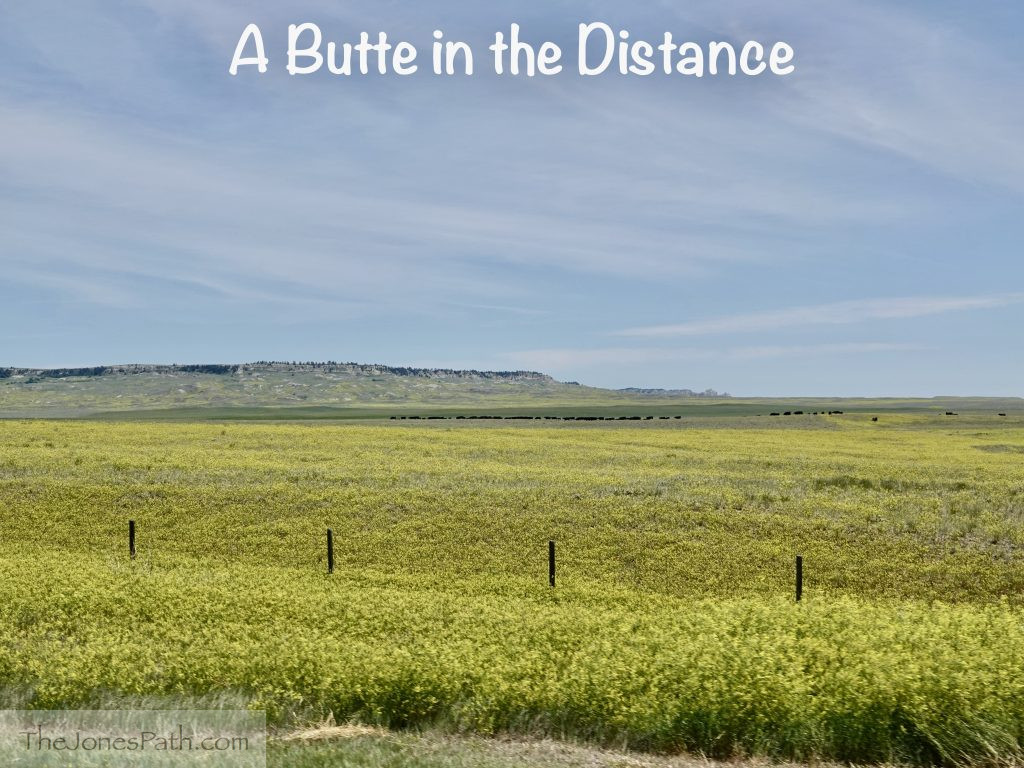
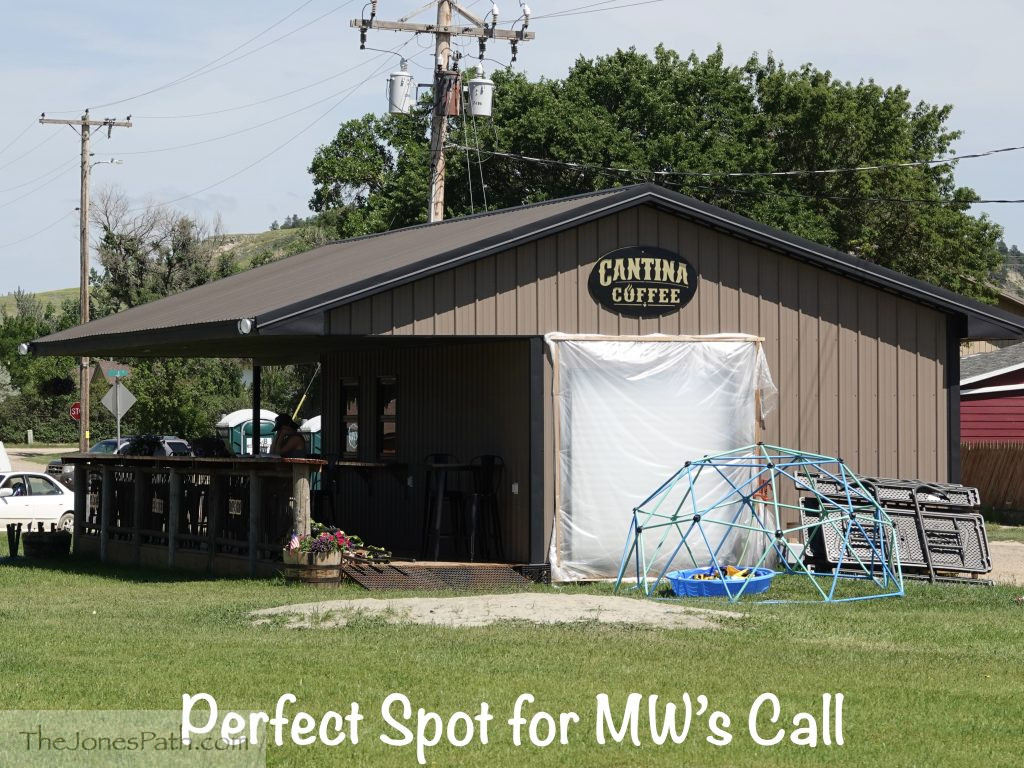
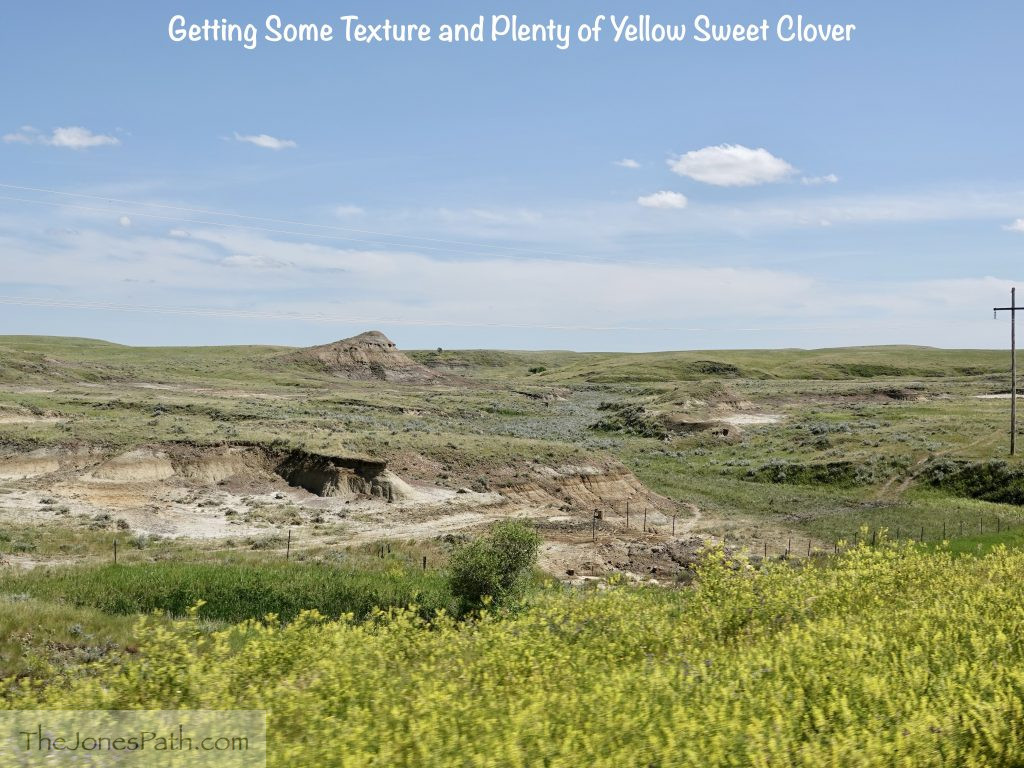
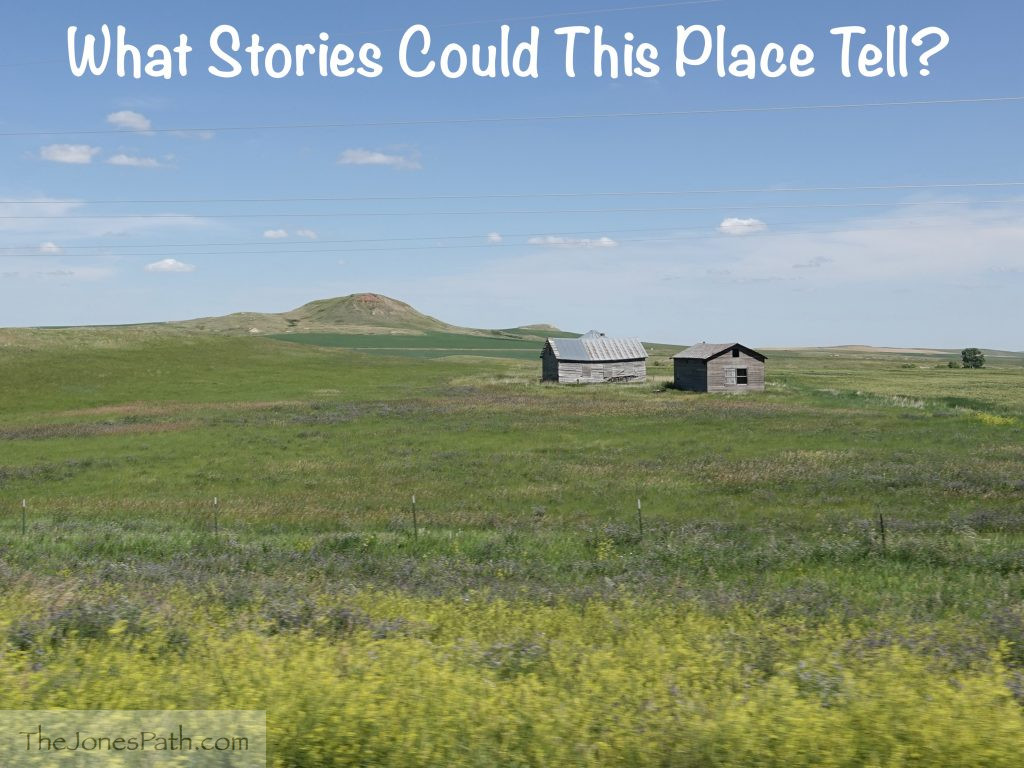
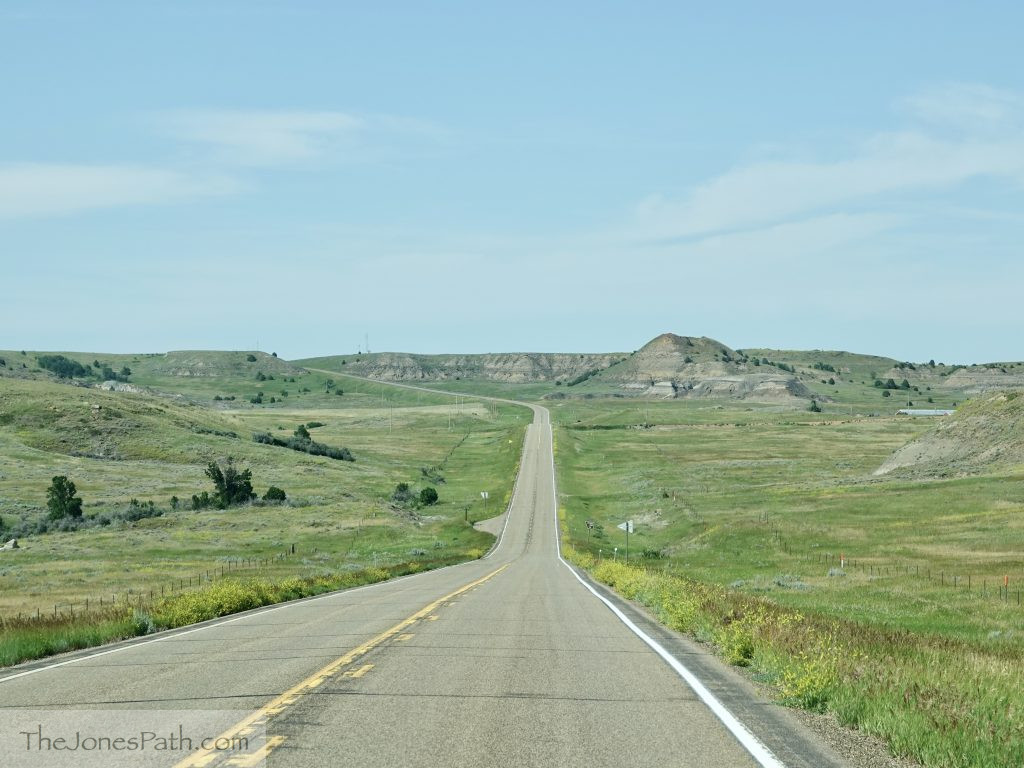
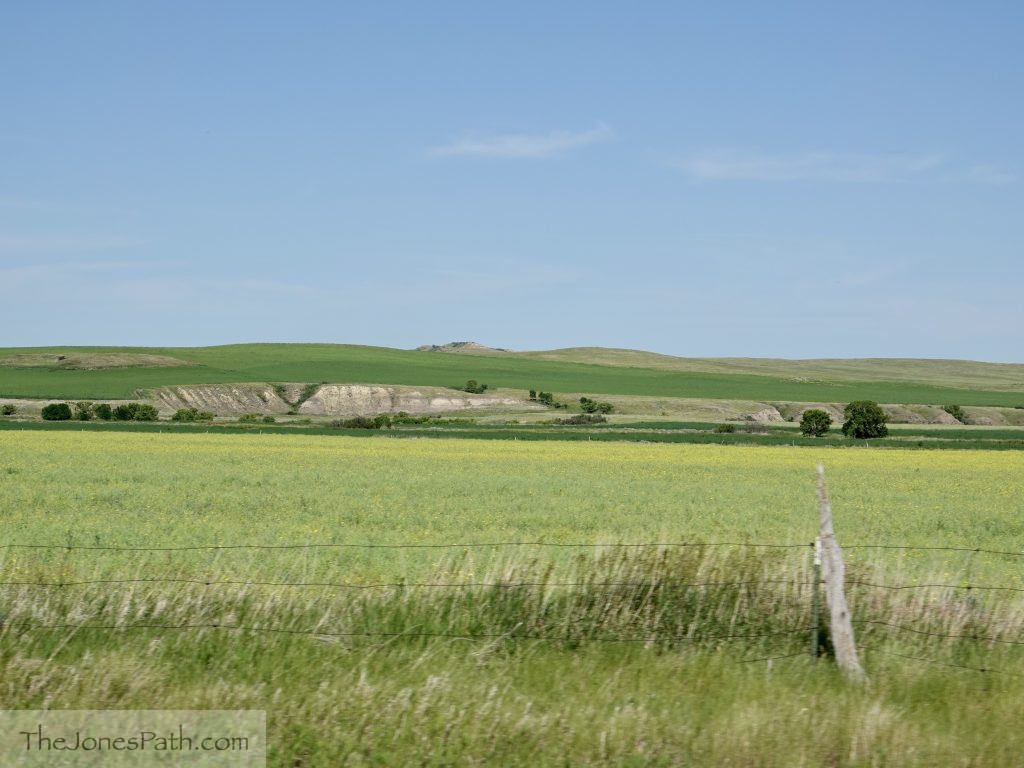
Moving again, we followed US-212 north, crossing the northeast corner of Wyoming and into Montana. At Alzada, we hit MT-323 north, which took us to Ekalaka. There it was time for another stop at Cantina Coffee, where we had drinks and a little sweetie snack. It was hotter than blue blazes outside, but they had a covered porch where MW was able to take care of a USNAAA RV Chapter board zoom meeting while I did a bit of writing. With the shade and a wonderful breeze, we were perfectly comfortable, too. After an hour or so we continued our trek north on MT-7 up to Baker, where we made a quick grocery stop. The final leg took us to Wibaux (pronounced Wee bow), Montana, and Beaver Valley Haven RV Park. Despite the serious heat, the day was beautiful and we even caught sight of a few more pronghorns. You know I loved that!
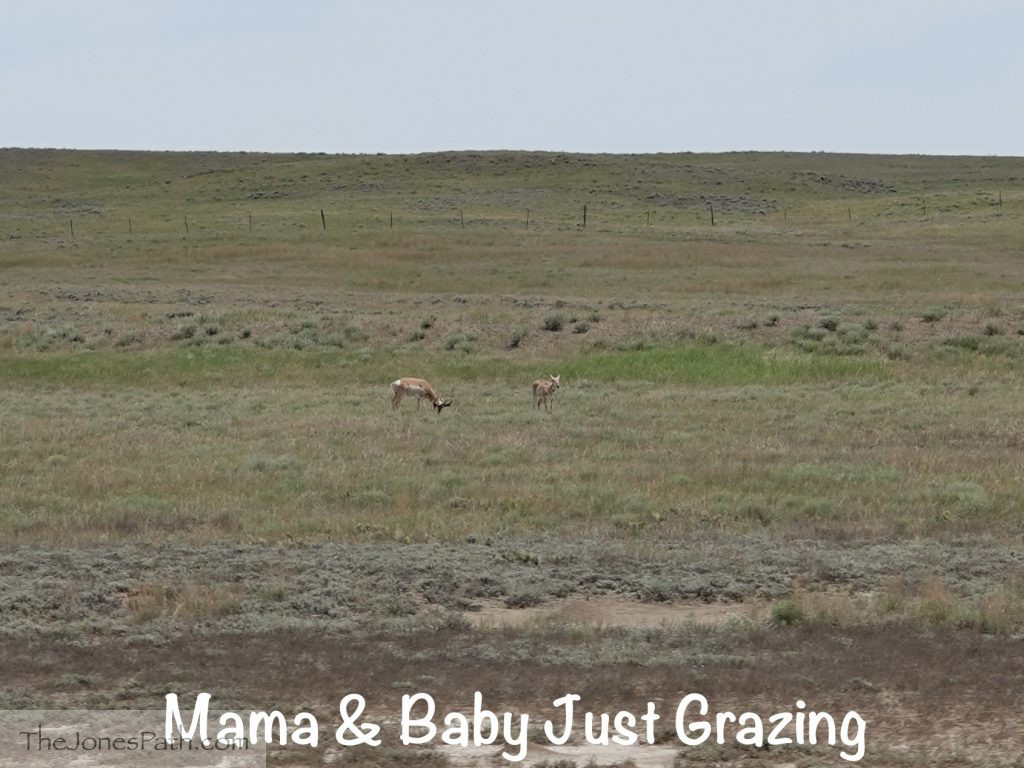
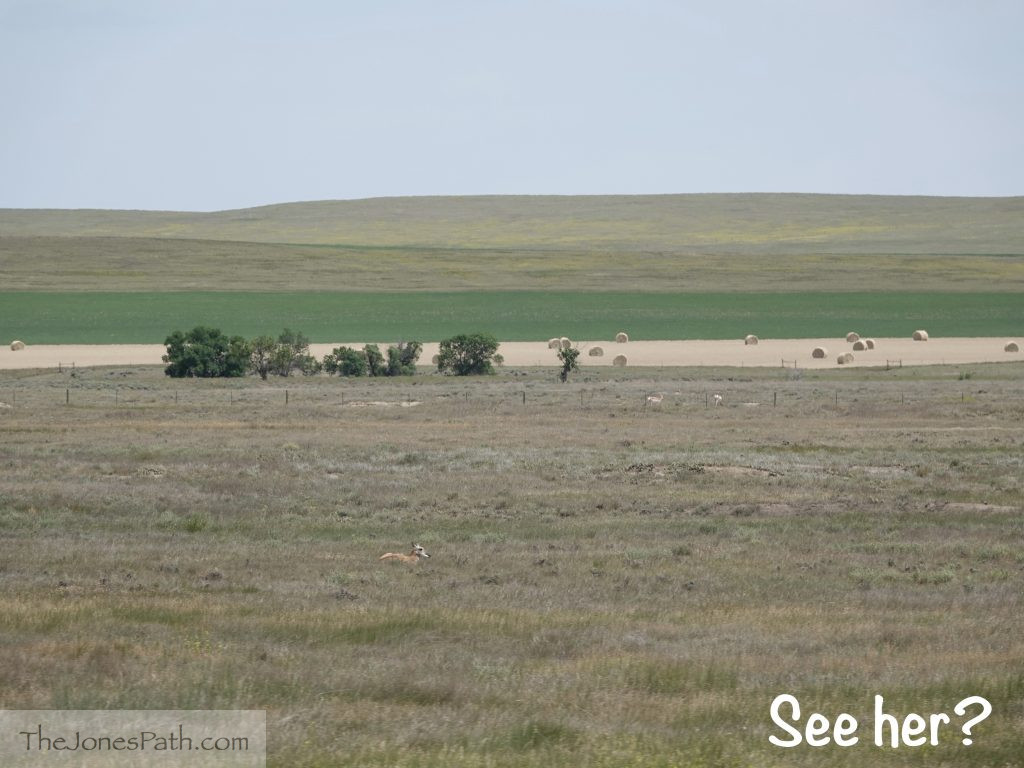
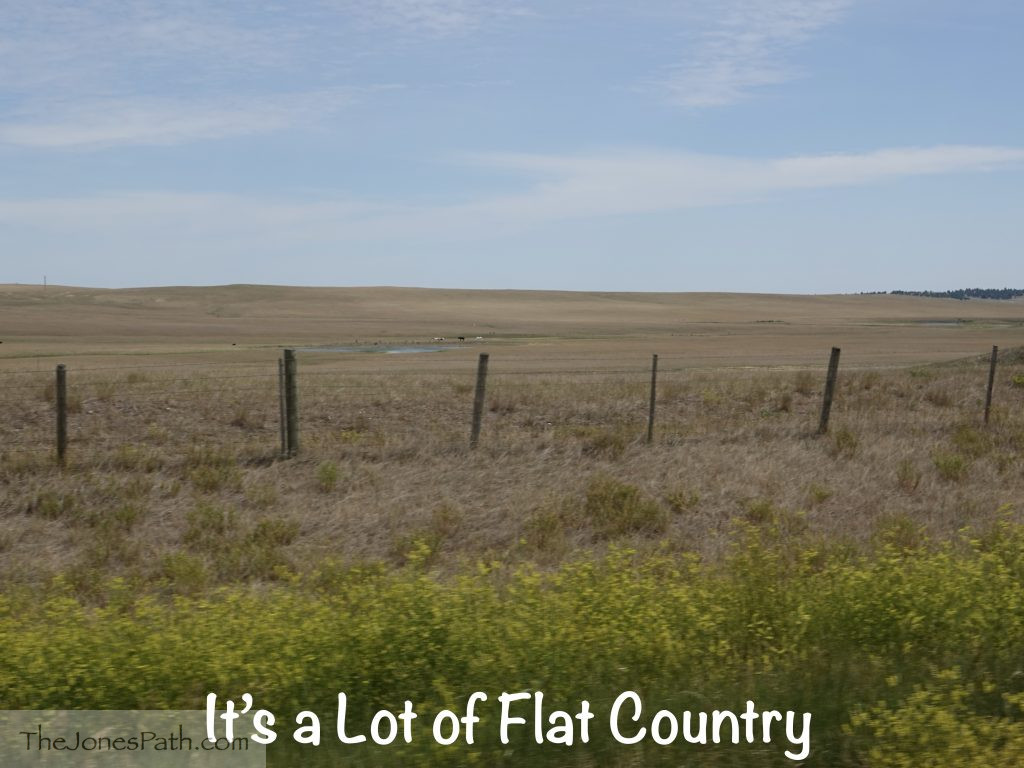

Tuesday was a pajama day, but I did work hard trying to catch up on writing. I had been craving pizza, so MW picked some up at the Tastee Hut in Wibaux for supper. I didn’t hold out much hope since it came from a dairy bar, but it was surprisingly good.
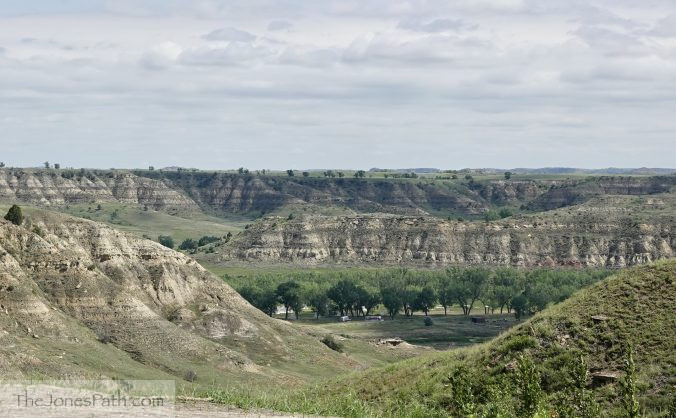
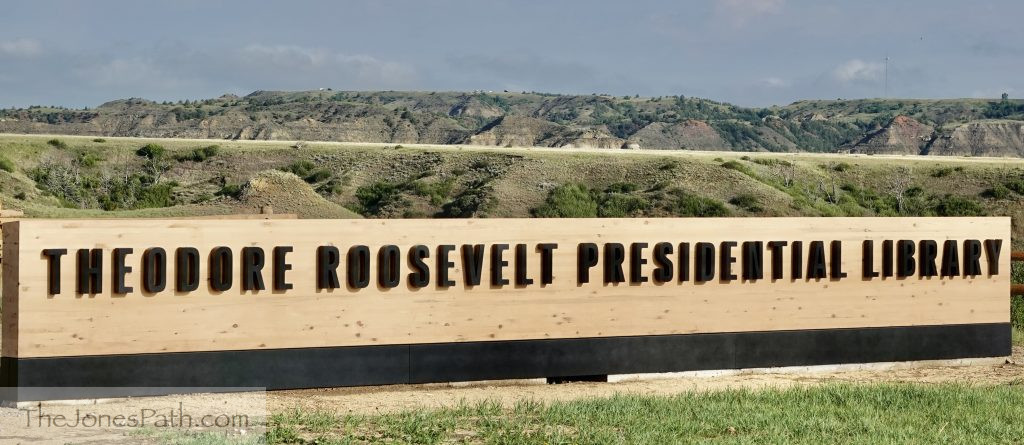
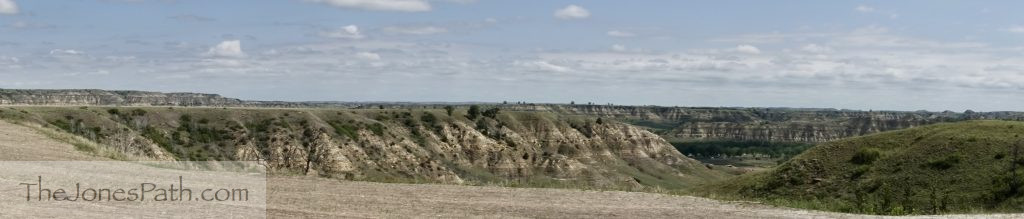
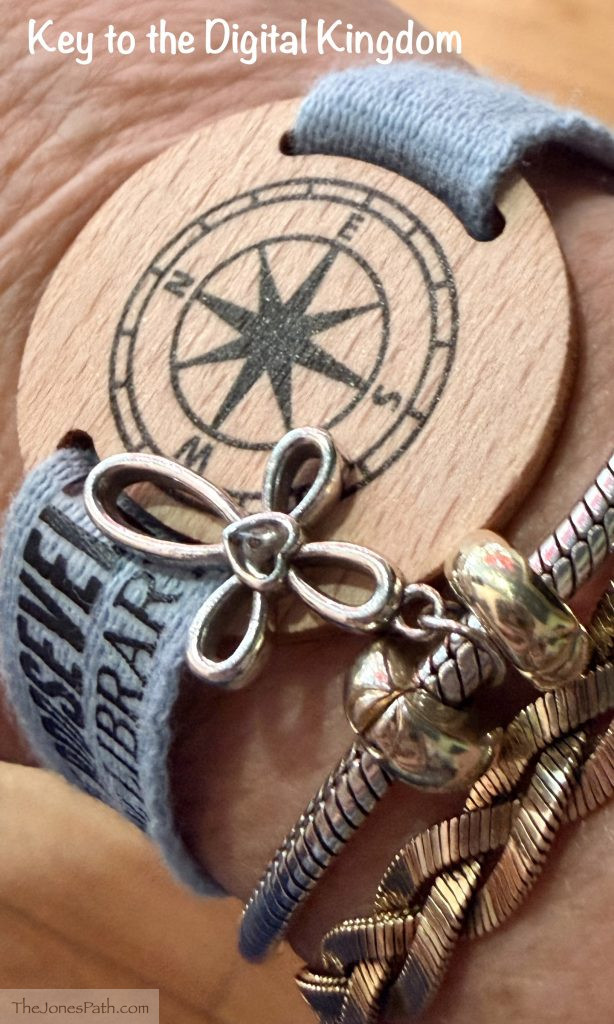
Wednesday we were up and out by 7 AM, headed over to Medora, North Dakota, to take a gander at the newly minted Theodore Roosevelt Presidential Library. We were an hour early, and you know I gave MW crap about rousting me out only to show up early. But the truth is, it was a bit confusing. We thought all of North Dakota was Central time, but a small corner is Mountain. Oops. We passed the time at Hidden Springs Java in Medora, which was hopping, then made it back to the museum. There was a bit of a wait to get in, but they’ve only been open a week or so and clearly have a couple of things to iron out. The slow down is at the computers where you set up your wristband, which drives all of the interactive displays. (MW didn’t get one, but I did.) Like all Presidential Libraries, this one covers Teddy’s life before, during, and after the presidency. It is laid out fairly well, but they could improve the signage. (They have directional arrows on the printed map, but floor arrows would probably be more effective.) The property has spectacular vistas of the land near the south entrance to Theodore Roosevelt National Park and offers lots of sitting areas to enjoy it. (That is a must go if in the area, too! Medora is also a nice little town with shops and restaurants, a western museum, and a live dinner show during the summer season.) We really enjoyed the visit. Here are some of the things I learned:
“Believe you can and you’re halfway there.” ~Theodore Roosevelt
“Patriotism means to stand by the country. It doesn’t not mean to stand by the president.” ~Theodore Roosevelt
“Keep your eyes on the stars, but remember to keep your feet on the ground.” ~Theodore Roosevelt
- Young Teddy, called Teedie by his family, was born in Manhattan in 1858 to wealthy parents that valued generosity, good character, and civic-mindedness. His father helped establish several children’s charities including the Children’s Aid Society in New York.
- Teddy was, by all accounts, a very physical man. He charged with his troops in Cuba, rode horseback and camped in the wilderness of South Dakota, and did all the jobs of a rancher. So I was pretty surprised to find out that he suffered from severe asthma as a child. His father told him, “Theodore, you have the mind, but you have not the body, and without the help of the body, the mind cannot go as far as it should. You must make your body. It is hard drudgery to make one’s body, but I know you will do it.” To that purpose, Teddy spent his adult life following a rigorous physical regimen, including plenty of outdoor activities.
- This outspoken man was pretty socially inept at Harvard. His sister, Bamie, helped put him in social situations and guide his development in that area.
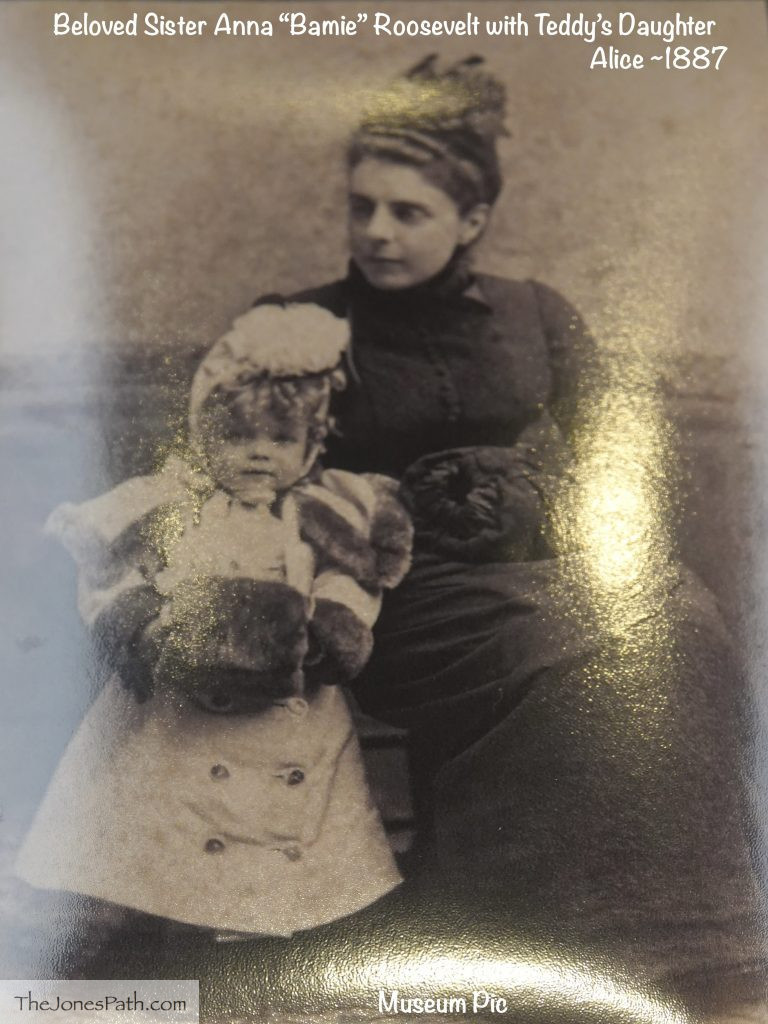
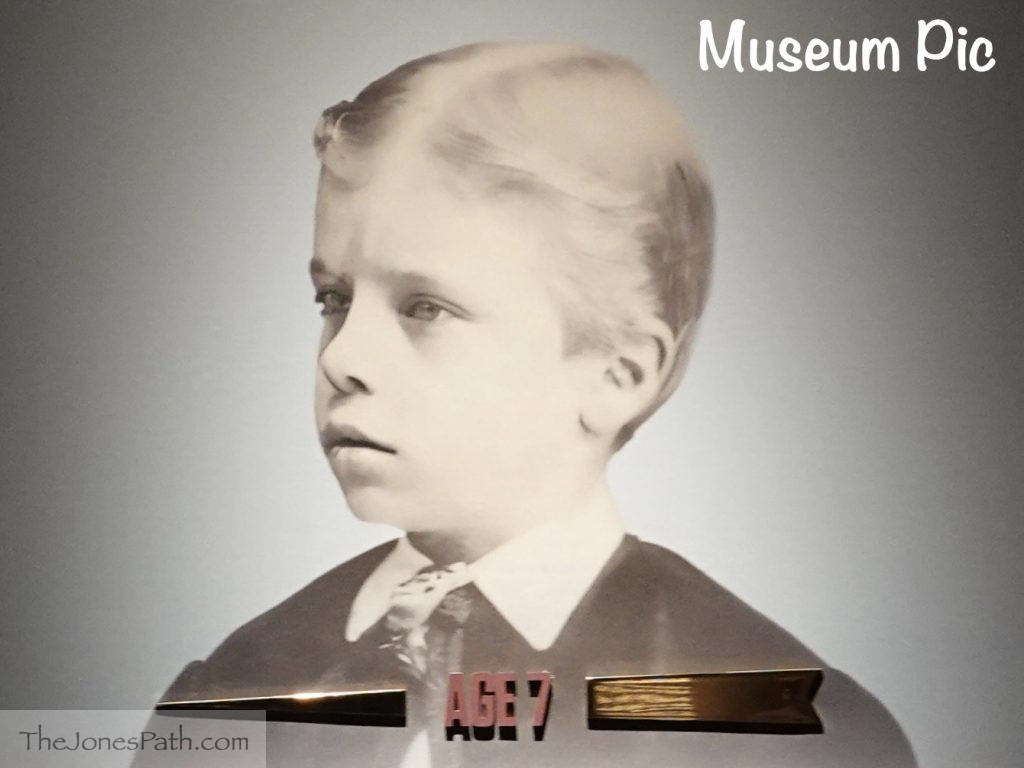

- At the age of 23, he married Alice Hathaway Lee and was elected to the New York State Assembly. He was euphoric. A short 2 years later his life would be upended. He received a telegram that his daughter had been born while he was in Albany. The next morning a second message arrived…his beloved Alice was fading. By the time he could get to Manhattan, his mother was also in critical condition. He spent the ensuing hours alternating between sitting with his wife and his mother. The latter died first of typhoid fever. Alice followed a bit later on the same day, passing from kidney failure. Teddy was crushed. He left his newborn daughter in the care of his sister Bamie and immersed himself in his work in Albany.
- He could not shake the melancholy, so then 25-year-old Theodore decided a drastic change was necessary. In 1883, he told his family and friends, “I am going cattle ranching in Dakota…What I shall do after that I cannot tell you.” He had been to the area the previous year to hunt buffalo, and the rugged Badlands brought him some measure of peace. He lived a rugged, minimalist existence, raising cattle and connecting with nature. His life at Elkhorn Ranch was hands-on, participating in everything from roundups to branding to sales, and he was very proud of his acceptance in the Medora community. Despite moving back east a couple of years later, he kept the ranch with the help of his foreman, Sylvan Ferris, until the beginning of the Spanish-American War in 1898. Then he sold all of the cattle and GAVE the ranch to Mr. Ferris. Isn’t that cool!
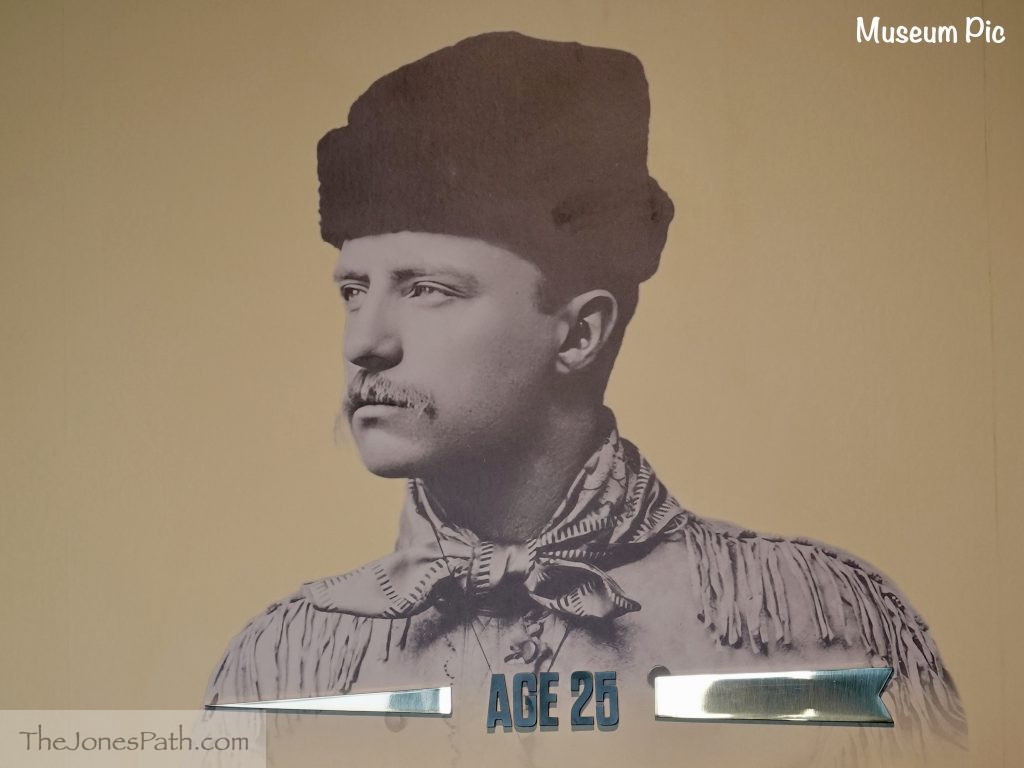
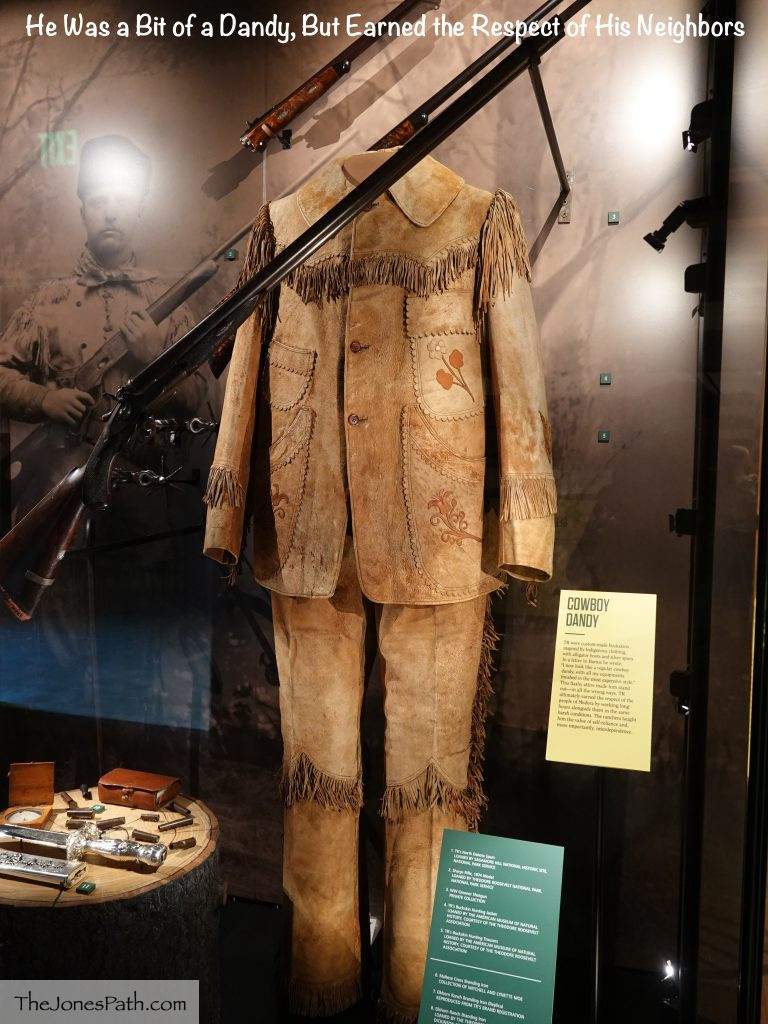
- While visiting Bamie, Teddy ran into his old friend Edith Carow, a meeting that might have been orchestrated by his sister. The two picked up their friendship which soon became more. Since it was just 21 months after Alice died, they kept everything secret at first, but finally became engaged in 1885 and married in December of 1886. Daughter Alice came to live with them, and their family grew from three to eight including Ted (III), Kermit, Ethel, Archie, and Quentin.
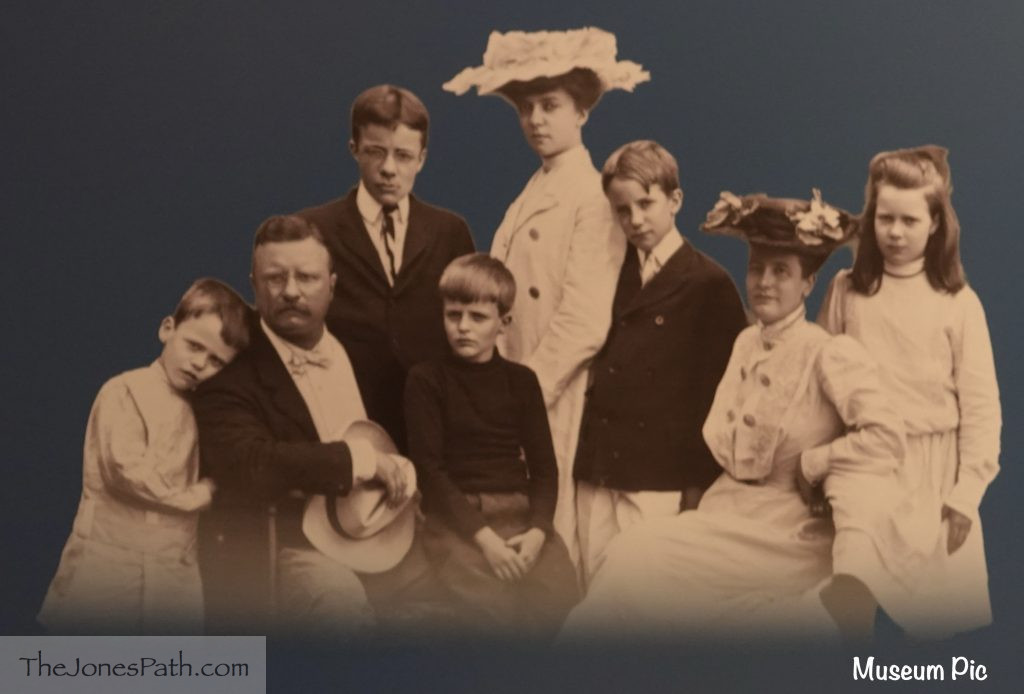
- Teddy and Alice planned and began construction on a summer home in Oyster Bay, Long Island. The location had long been a respite for Teddy, who spent summers at his family’s nearby home, Tranquility. Upon Alice’s death, construction ground to a halt. After marrying Edith, they resumed the project and named it Sagamore Hill. It became their happy place. Today it is part of the Sagamore Hill National Historic Site and is open for tours.
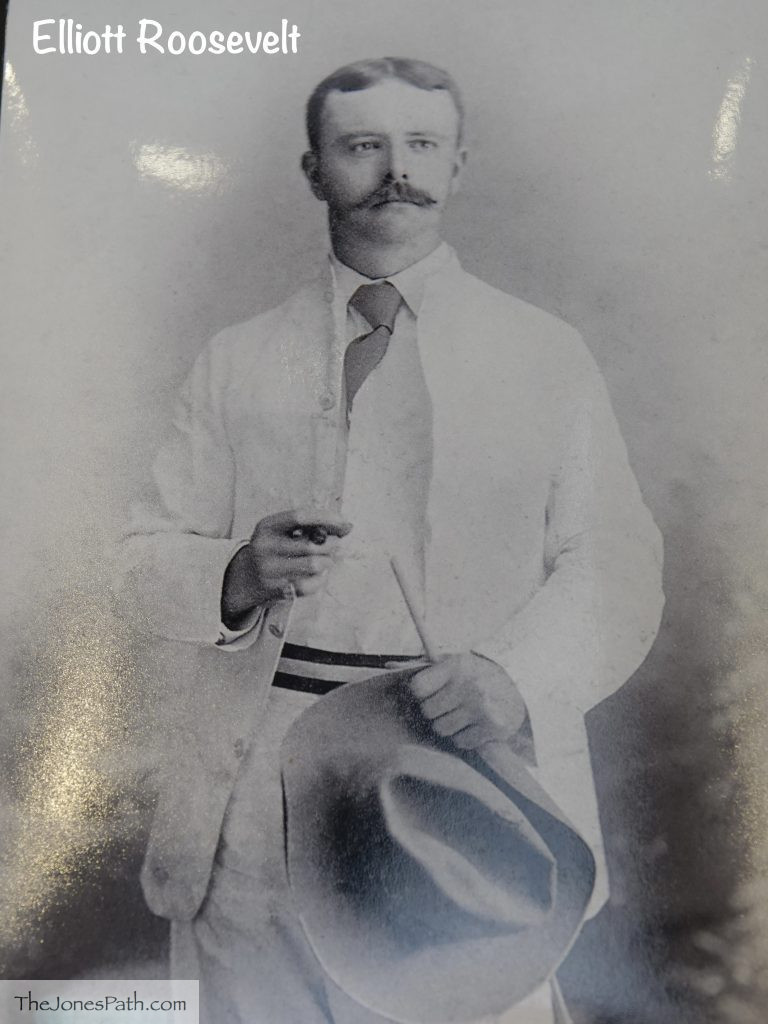
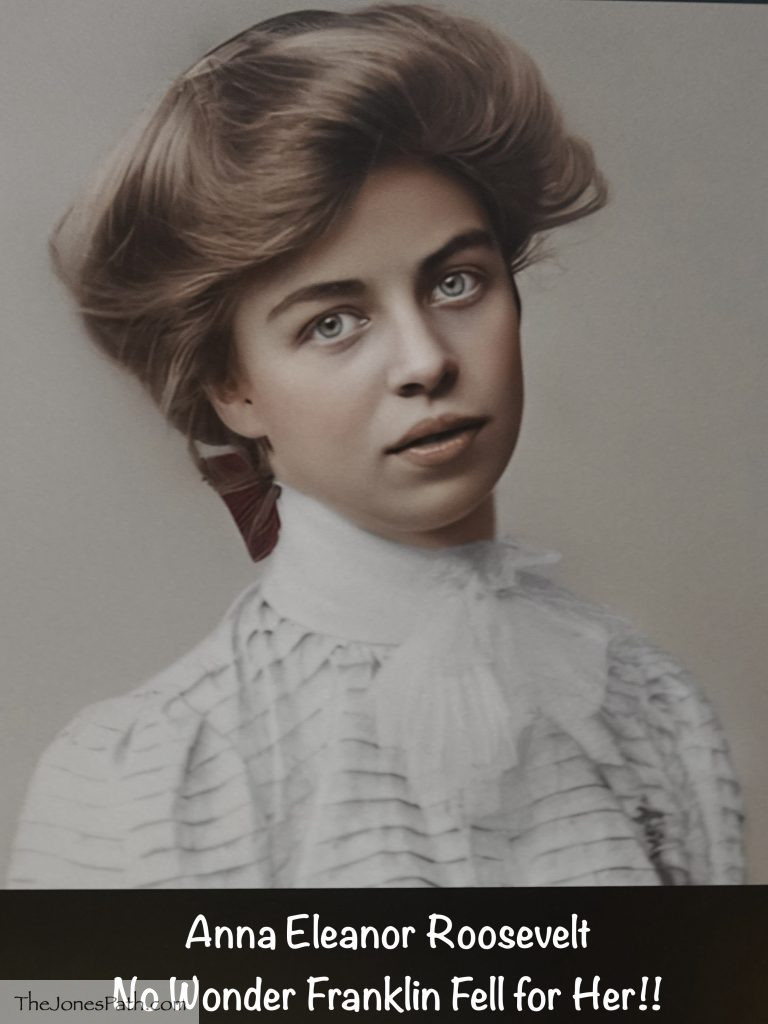
- Roosevelt’s younger brother, Elliott, became an alcohol and morphine addict and despite being married, carried on scandalous affairs. Desperate to help him, Teddy had him declared incompetent and put into a treatment center. That part of Elliott’s story isn’t as important as another one: in 1884, his wife gave birth to a daughter Anna Eleanor Roosevelt, Teddy’s niece. She would later marry Franklin Delano Roosevelt Sr., Teddy’s fifth cousin and the 32nd President of the United States. So Teddy was related to that White House family on both sides.
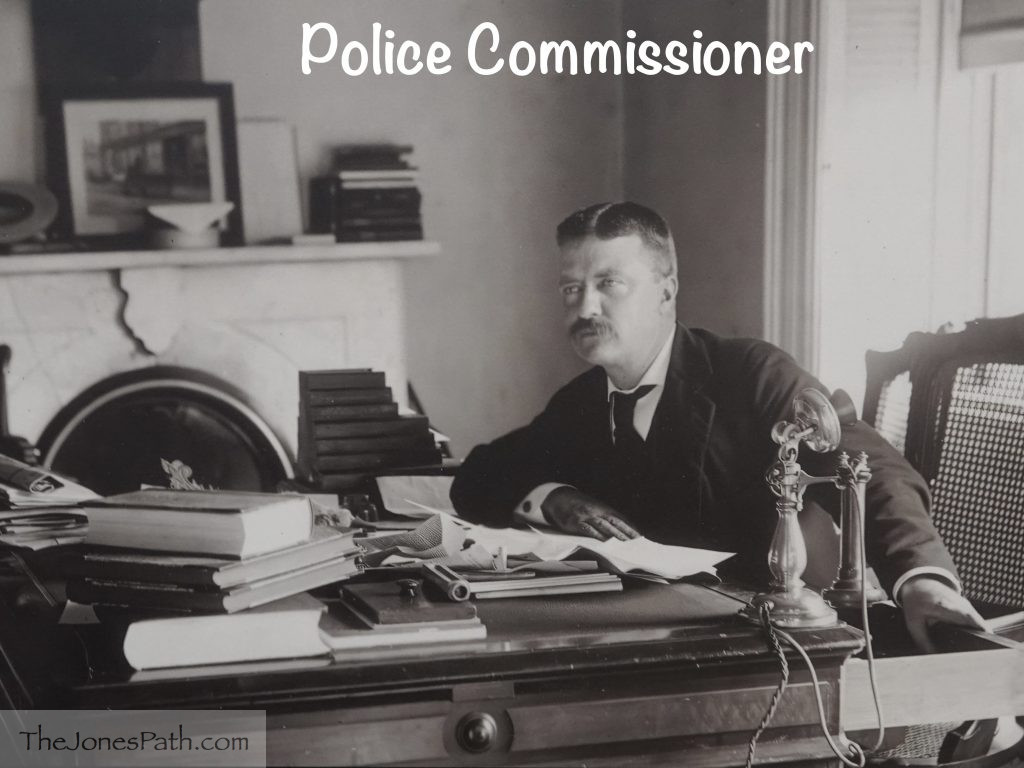
- Prior to becoming President, Theodore wore several hats…Ornithologist, naturalist, boxer, published author, New York State Assemblyman, rancher, hunter, conservationist, co-founder of the Boone and Crockett Club, Captain in the New York National Guard, Civil Service Commissioner, New York City Police Commissioner, Assistant Secretary of the Navy, Rough Rider, Governor of New York, and Vice President. A small handful of those things is a full life, but he didn’t settle down, even after his presidency. He led an expedition to Africa, toured Europe, was the first U. S. President to fly in a plane (a Wright Brothers craft), joined a research expedition to South America, and remained active in politics. He was also a Freemason and a member of the Sons of the American Revolution and The Explorers Club. Whew! Just writing all that made me tired!!
- As a Police Commissioner, Teddy often walked the streets at night, which accomplished two things: 1) He could weed out the deadwood…officers caught sleeping, drinking, or abandoning their posts. 2) He learned first-hand of the poverty in the city that isn’t seen from a desk in a cushy office.
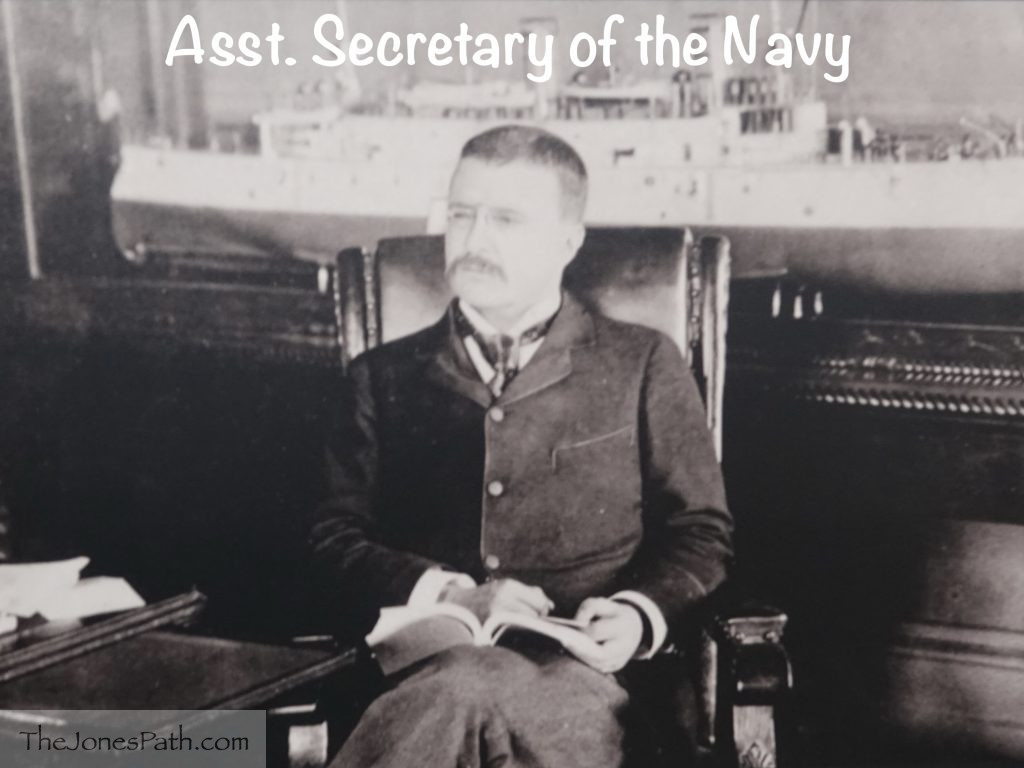
- While Theodore was Assistant Secretary for the Navy, Spain cracked down on an uprising by Cuban rebels, creating concentration camps and corralling farmers. Many died, and American sympathies were with the Cubans. Then in February 1898, the USS Maine exploded while anchored in Havana harbor, killing 261 of the 355 crew members. Americans were screaming for blood, but President McKinley was reluctant. Roosevelt thought him spineless, and 2 months later Congress passed a resolution declaring war against Spain. The next month Teddy resigned his position and was commissioned as a lieutenant colonel in the First U. S. Volunteer Cavalry Regiment, what we now call the Rough Riders. This is probably my favorite part of his life. He was almost 40 years old, and felt a moral duty to join the fight. Leaving behind his wife, who was gravely ill, and children, he set out to train volunteers who had no military training. Roosevelt focused on relevant skills and strongly believed in their success. By all accounts he was brave in battle and didn’t ask his troops to take any risks without being right there with them. His personality and fame attracted the volunteers initially, but his grit and courage made the unit one.


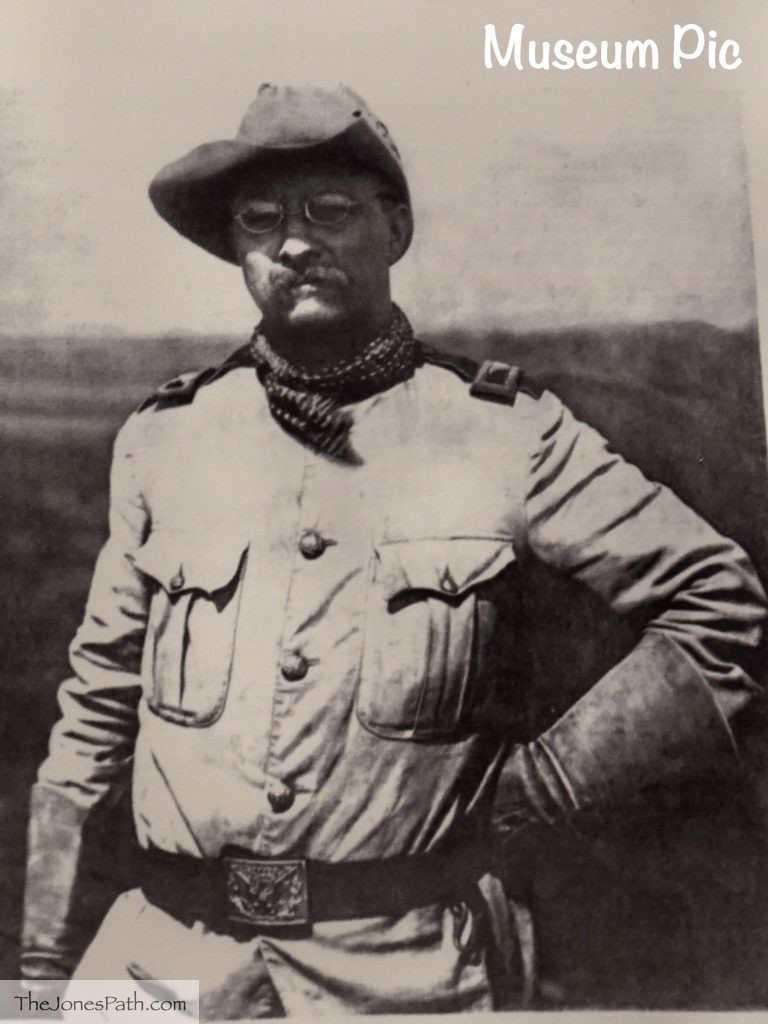
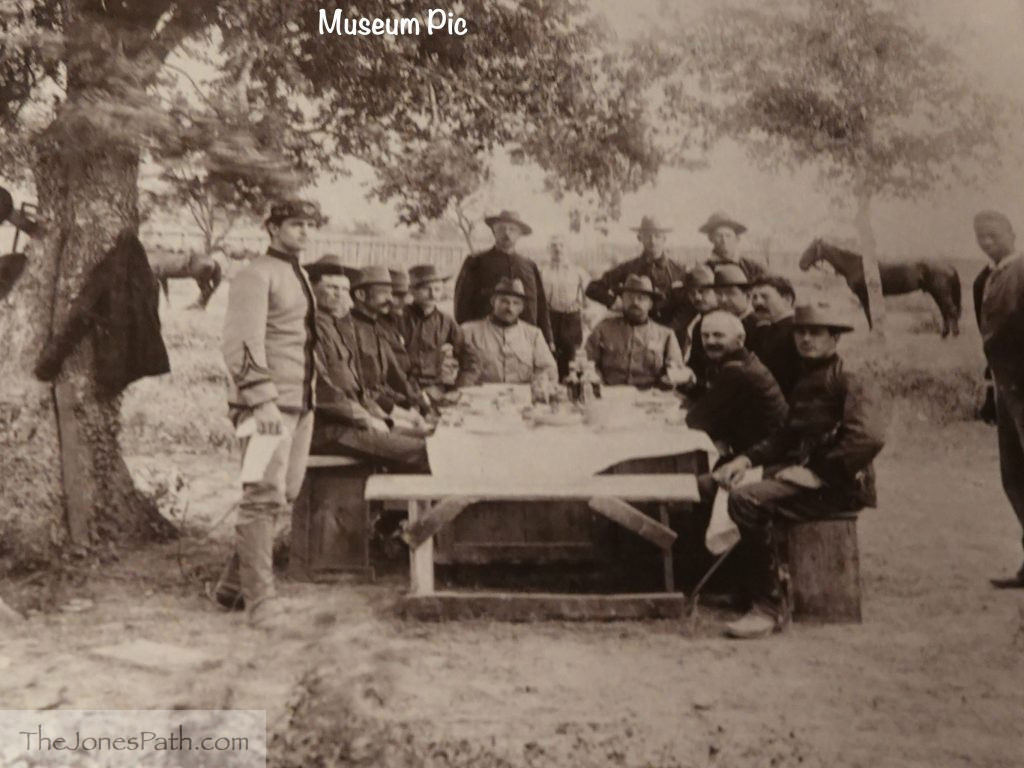
- Roosevelt was the first to link the term “muckraker” to journalists who focus on exposing corruption and social problems, or yellow journalism. Although he didn’t like their focus on the negative, he used the works of many of them, like Jacob Riis and Upton Sinclair, when it aligned with his agenda.
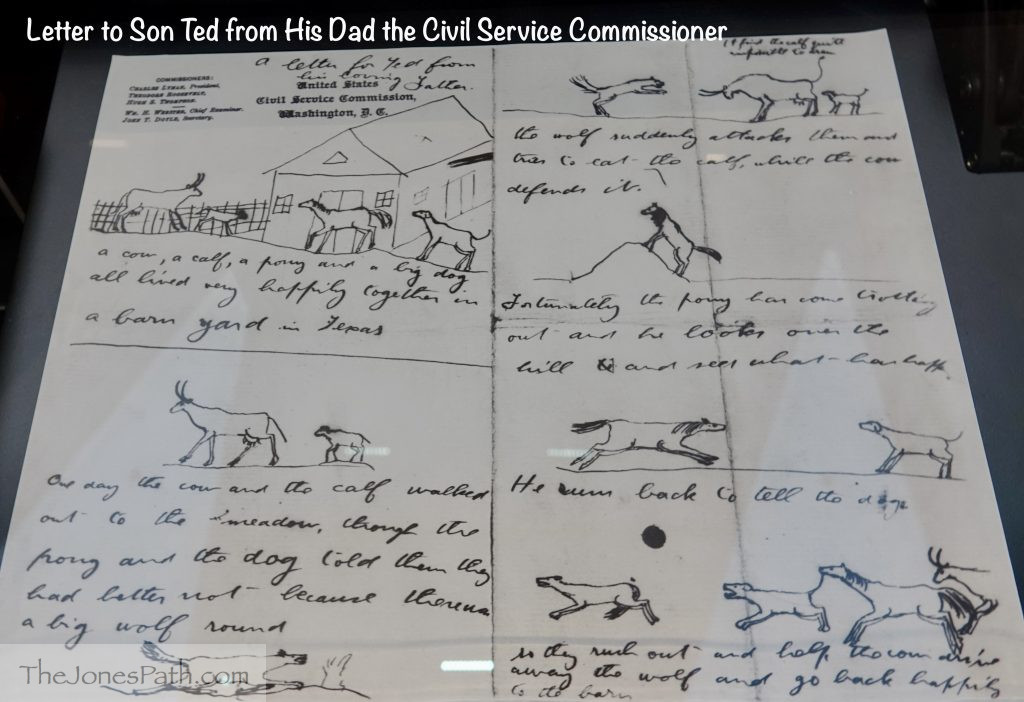
- He was a prolific writer, and corresponded with his family and many friends and acquaintances throughout his life.
- Much has been written about his presidency and comeback run, and while I don’t agree with some of his politics, I do believe he was a force to be reckoned with. He sought to truly help Americans, calling for equality of opportunity (which is different from equality of outcome). When he was elected, U. S. Senator Mark Hanna (Ohio) said, “Now look! That damn cowboy is president of the United States!” He and Edith transformed and modernized the Executive Mansion, and they were the first to call it the White House. Their renovations added the West Wing and grand staircase and changed and expanded the family residence at a cost of ~$17 million in today’s dollars. There was a bit of an uproar over the elk, bison, deer, and moose mounts and bearskin rugs scattered about, though.
- The Roosevelt children brought noise and mischief to the White House with Quentin leading the White House Gang. (Yes, there were gang members in the White House, and I’m not talking about rappers!) They played games, had pillow fights, and explored every nook and cranny. Dad Teddy was an honorary member and occasionally left his office to go on adventures, create obstacle courses for them, and play games. The kids even created the “Black Hand Society”, where they would ink their hands and put prints on the white walls, launch sneak attacks on Secret Service agents, and play pranks on the staff. All in good fun, of course, but I’m afraid someone would get a smack on the butt if they put a black handprint on my white wall!

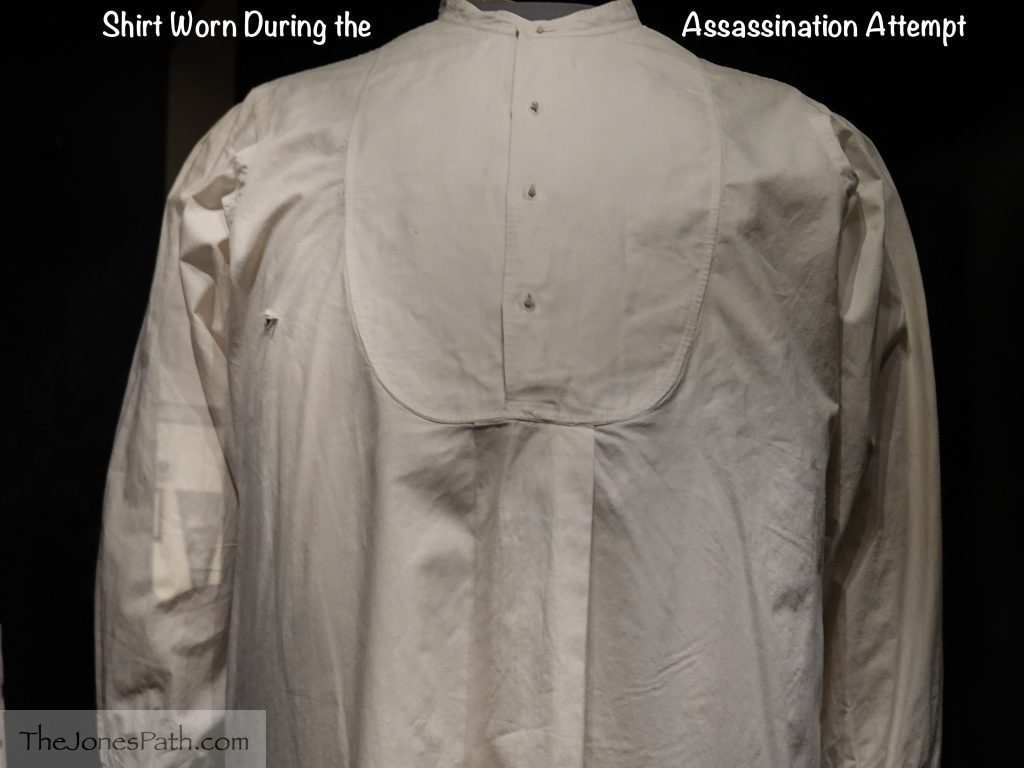
- While in the middle of his failed bid to be elected president for a third term in the Bull Moose Party, there was an incident. On the campaign trail Teddy had dinner at the Gilpatrick Hotel in Milwaukee, Wisconsin. Afterwards he headed to a waiting car to take him to his speech venue. As Roosevelt stood up in the convertible to wave at the cheering crowd, would-be assassin John Schrank took his shot. The gunman was seized immediately, and the former President stumbled, but straightened again, smiled, and waved with his hat. Many in the crowd would have killed the shooter, but Roosevelt asked him why he did it, then getting no answer, turned him over to police with instructions to keep him safe from the crowd. That was just the beginning! Deciding that, since he was not coughing up blood, the bullet had not reached his lungs, he continued to the auditorium where his speech began with “Friends, I shall ask you to be as quiet as possible. I don’t know whether you fully understand that I have just been shot – but it takes more than that to kill a bull moose.” He spoke for 50 minutes, then accepted medical assistance. X-rays showed that, after passing through a steel eyeglass case and the 50-page, folded copy of the speech, the bullet rested in his chest. Doctors determined that is was probably safer to leave it where it was, and Teddy carried it for the rest of his life with no trouble. The additional miracle of this situation was that both of the other candidates, President Taft and Woodrow Wilson, suspended their campaigns until Roosevelt recovered enough to resume his. I’m CERTAIN that would NOT happen today!!
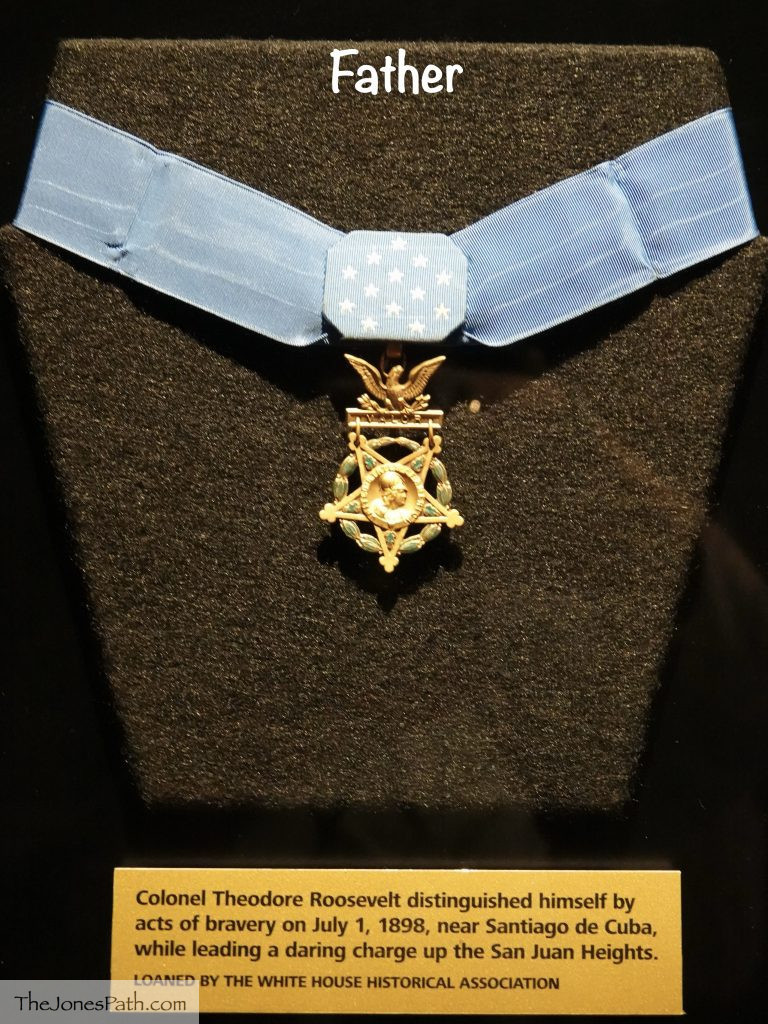
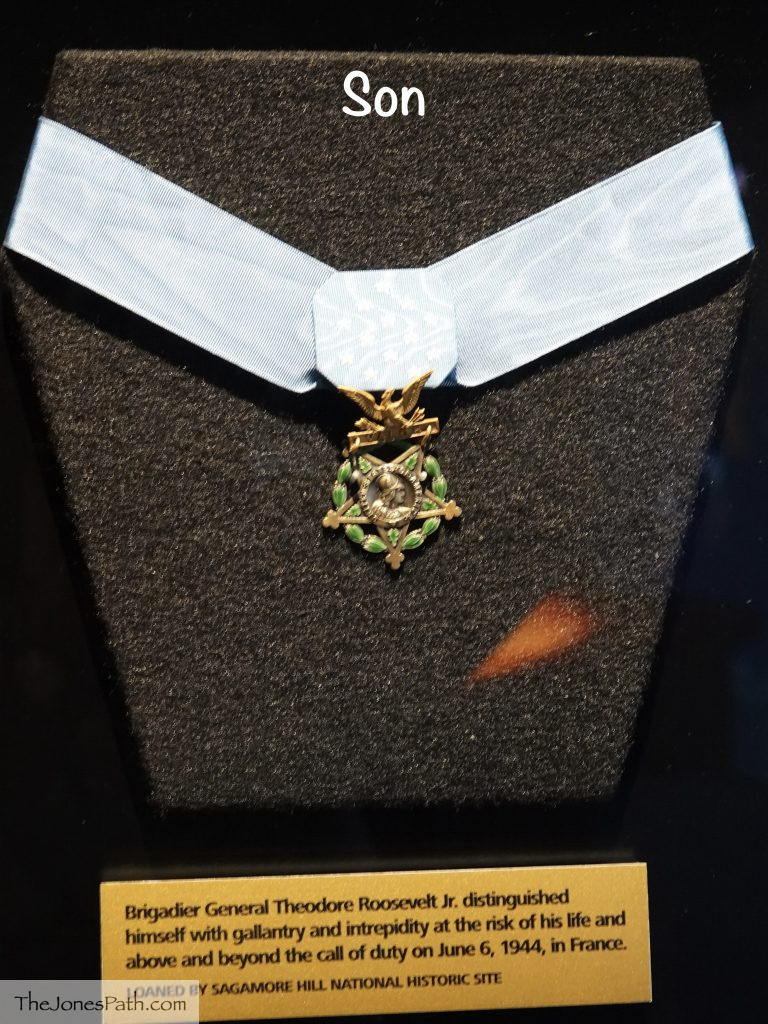
- I’ve written about this before, but it is just so cool! Theodore Roosevelt is the only President to have ever received the Medal of Honor. It was for tremendous valor during his actions as a Rough Rider during the Battle of San Juan Hill in Cuba, and although it was lobbied for back then, it wasn’t awarded until 2001 by President Bill Clinton. Amazingly, his son Brigadier General Theodore Roosevelt III was also awarded a Medal of Honor. He was the general who didn’t order his troops to storm Utah Beach during the Normandy landings, but led them in the first wave ashore, a job he specifically asked for. He was the ONLY general to land by sea in the first wave, the oldest man in the invasion at 56, and the only one whose son (Captain Quentin Roosevelt II) also landed that day (on Omaha Beach). Both father and son made it off of the beach, but the General died a month later of a heart attack and was awarded his medal posthumously.
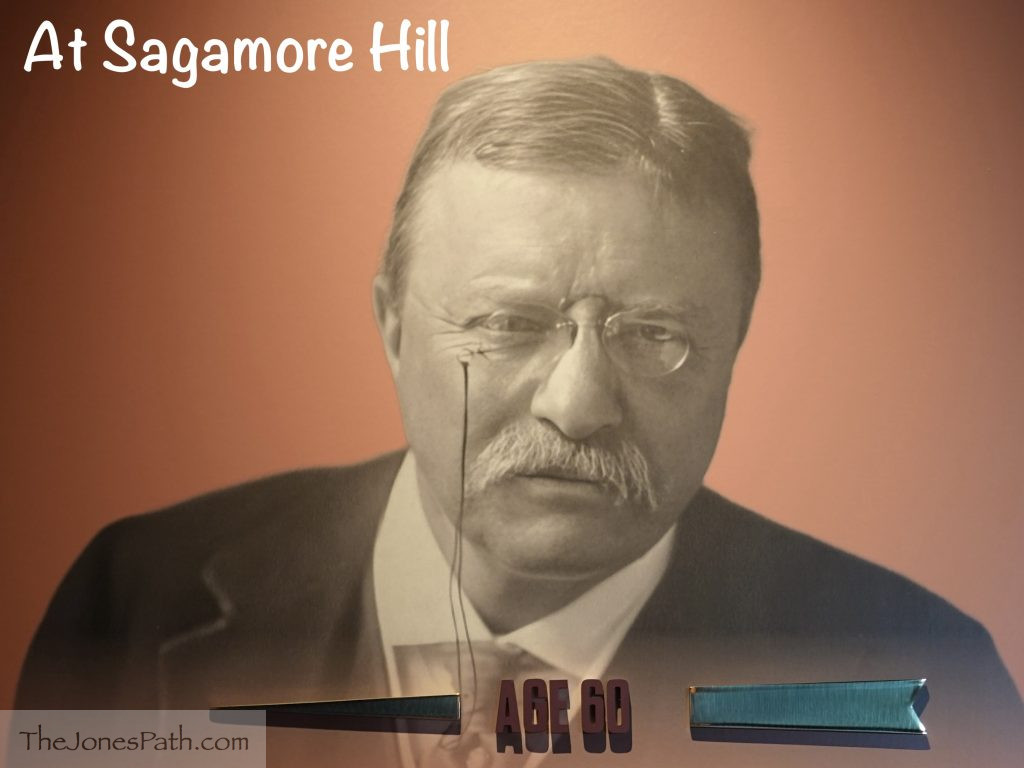
- Remember above I talked about the wrist band? Well, it is linked to a digital image and information taken from you (if you chose) as you are checking in. (They SAY the images are all purged within a week of your visit and are only used for the interactive displays.) As you move through the museum, there are all kinds of stations that you can put your wrist band up against and instigate something extra. Sometimes it is statues that light up or speak, others it is a movie that runs or a tidbit in which they have incorporated your name. Some of the displays are specifically aimed at children to bring the experience down to their level. The one I liked the most was the large windows about the size of a wall mirror. When you touched your bracelet to the panel, a picture of you came up as various things that Teddy Roosevelt was. Here are a few of mine:
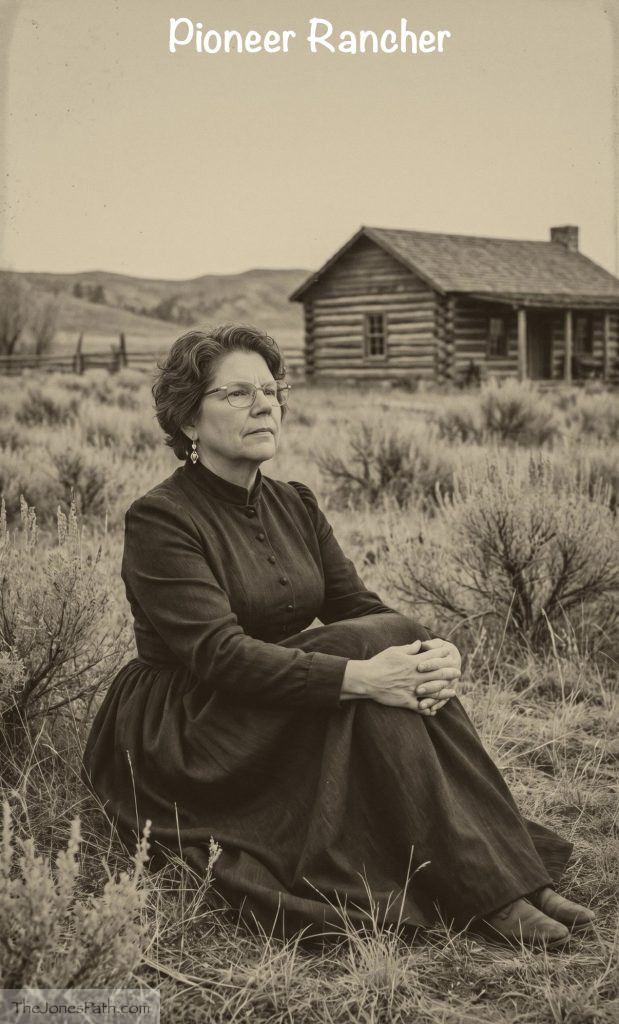
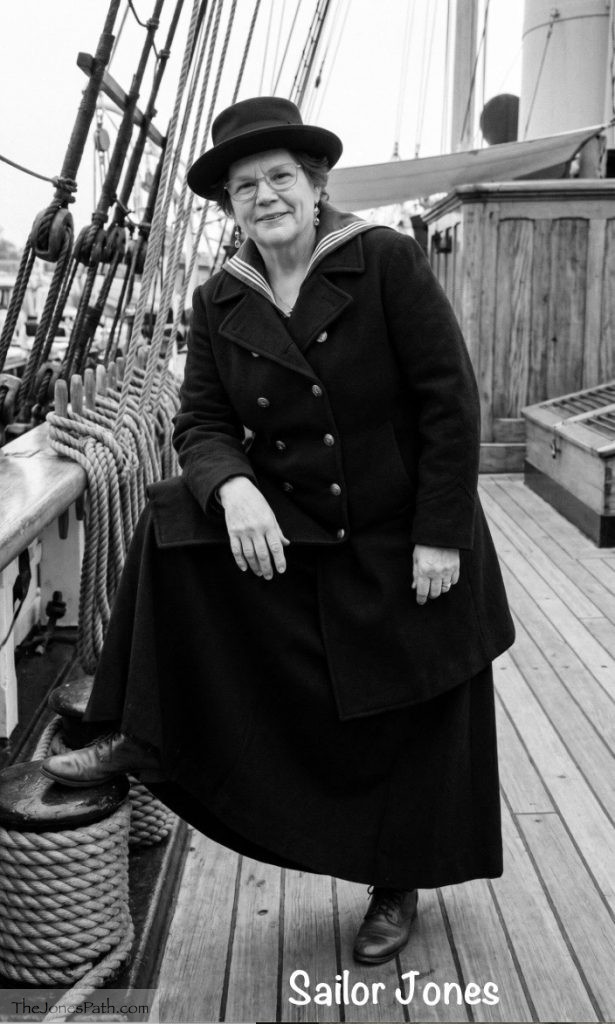
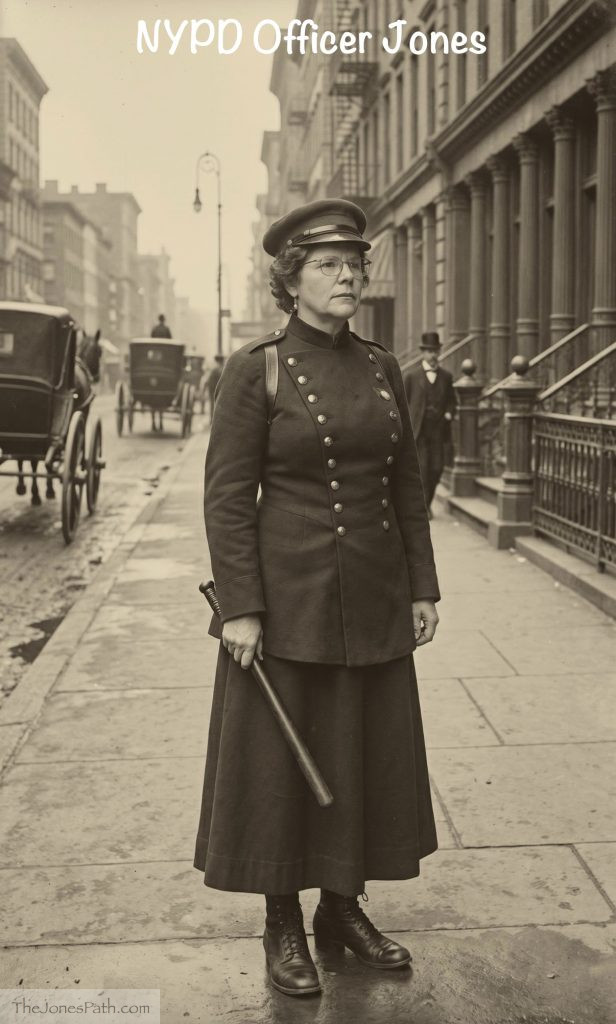
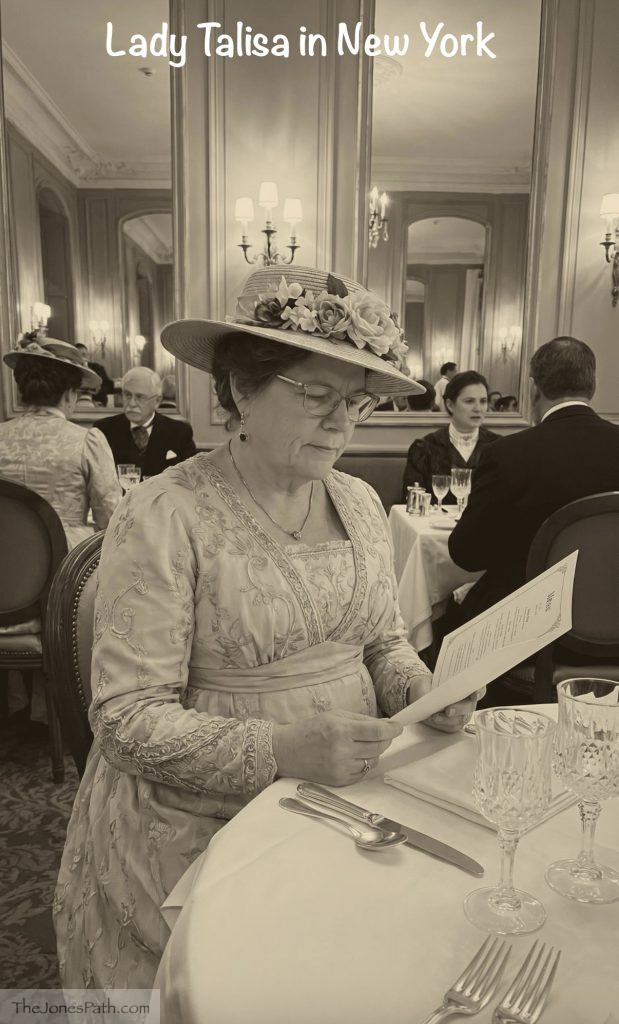
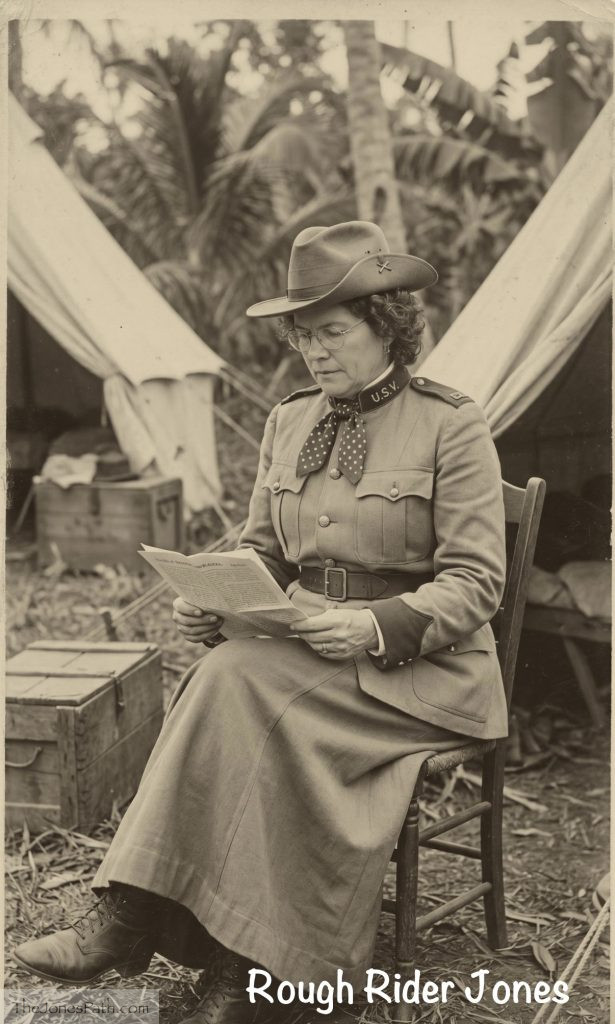
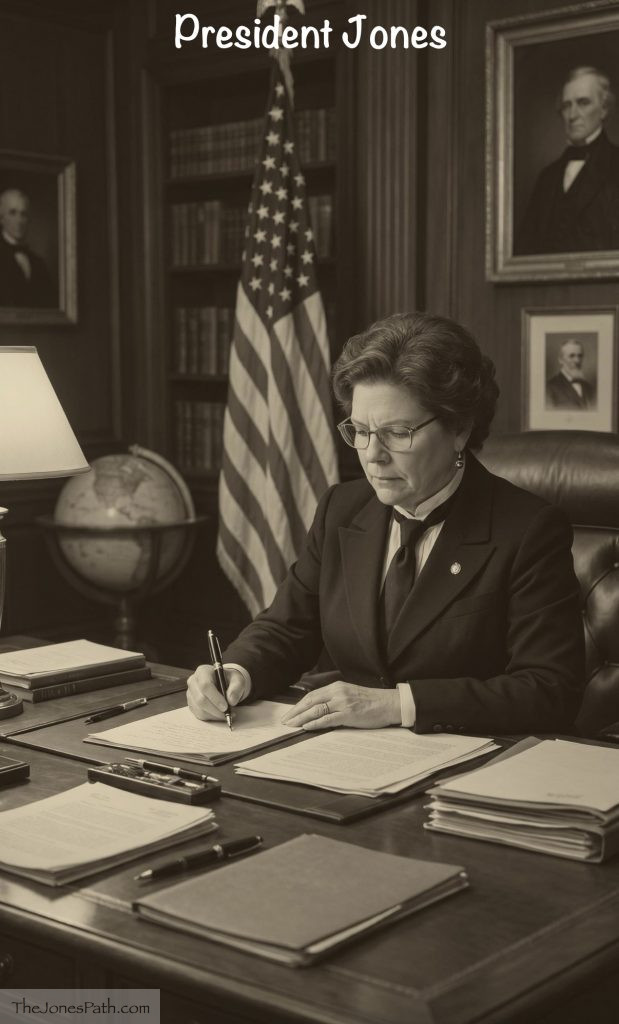
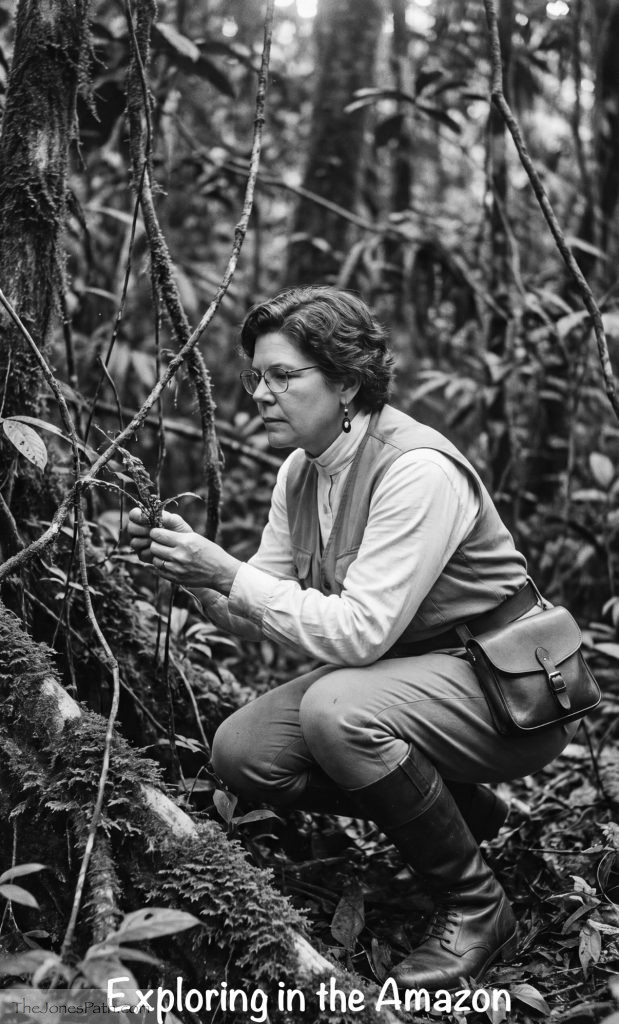
After seeing all there was to see, we headed back over to Wibaux and stopped in at The Shamrock Club (mostly sandwich fare), then checked out the Montana Trading Post across the street. The owner there was a super nice young lady who was born in the area. We talked a little about how tough it is to make a living in a town that doesn’t have much, and she is determined to do her part to keep it alive. The shop sold a lot of local made pottery, crafts, and gift items and was really cute. If you pass through, check it out. I bought a small bowl that she made with a pronghorn on it. (I collect a variety of pottery dishes, so if you ever eat at my house when they are all unpacked, expect nothing to match! LOL) Our final stop of the day was the Wibaux Museum just down the street.
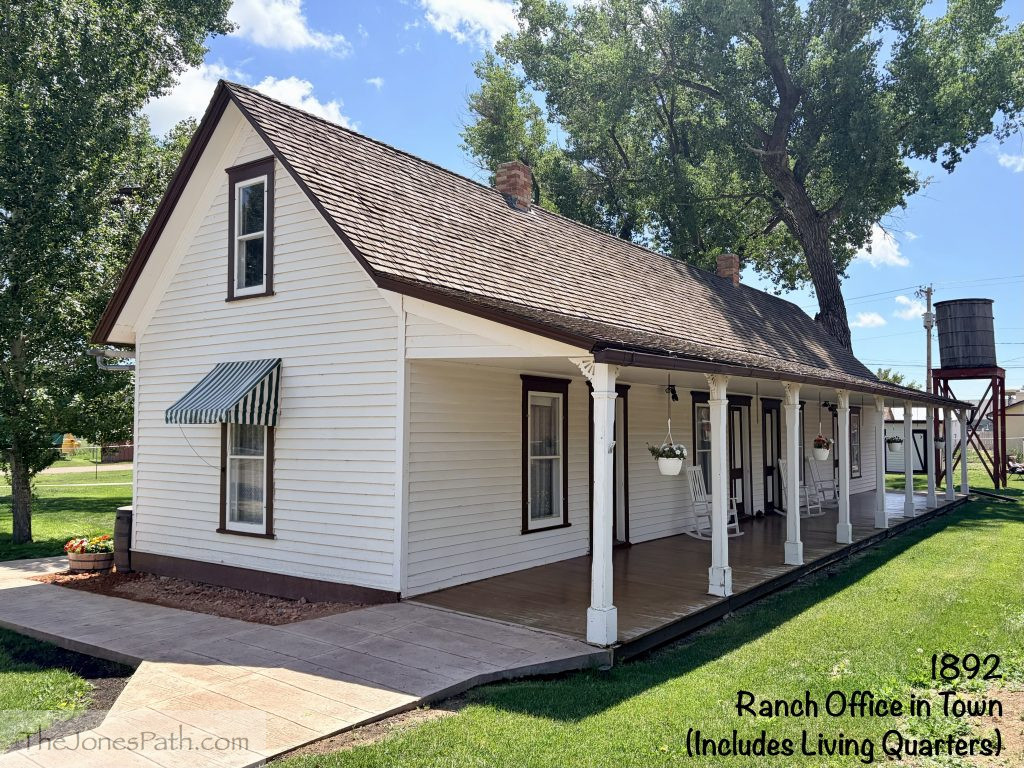
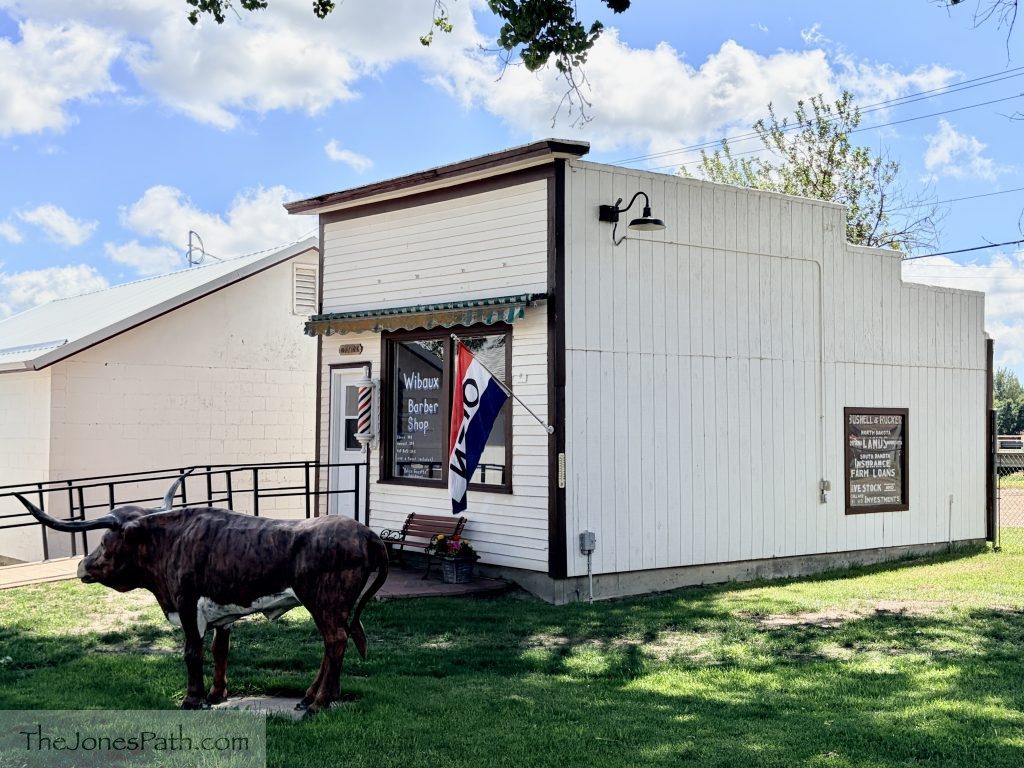
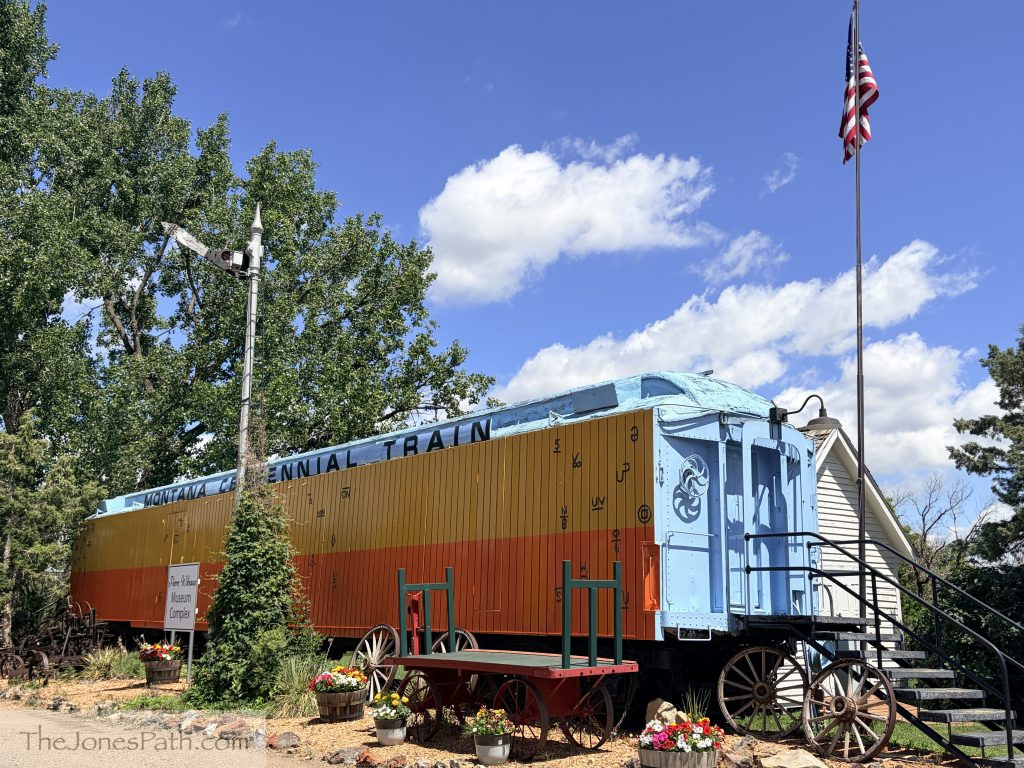
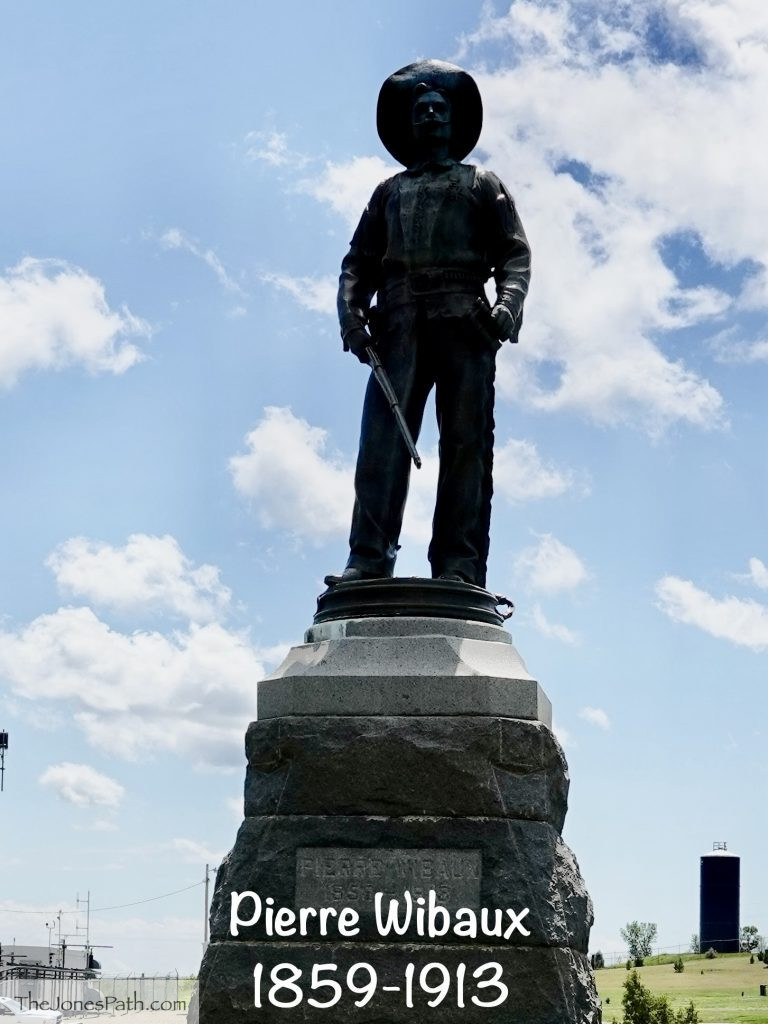
Pierre Wibaux was born into a rich textile family in Roubaix, France, in 1858. Despite being the heir apparent of his family’s business, he convinced his father to invest $10,000 in startup funds for a cattle venture in the American west, a huge gamble by any standard, and sailed west. Like most of the early cattle hopefuls, he brought the optimism of youth and a strong work ethic. More uniquely, he added a good education and experience at running business operations. He and partner Henry Boyce began operations in this area in the early 1880s, and Pierre worked hard to learn everything about cattle. His first big test was the winter of 1886-87, when hundreds of thousands of cattle across the plains were lost to early snow, ridiculously low temps, and a lack of grass. Many ranchers folded and left, but young Wibaux doubled-down, getting more investment money from overseas and buying out those who were leaving. Within just a few years, the partnership had dissolved, but Pierre’s W-Bar ranch was the largest cattle operation in the world, running as many as 65,000 head and growing alfalfa, a new forage crop. He then diversified into banking and mining and remade the local economy by lobbying for railroad stockyard developments and infrastructure to support cattle. Shortly after the town of Mingusville was laid out, the name was changed to Wibaux. (The county is also named for him.) Pierre is one of the people profiled in “The Cowboys”, part of the Time Life Books “The Old West” series. (It’s pretty good, if you’ve never checked it out, with stories about all kinds of western people and lore.) The museum consists of displays in Wibaux’s original ranch office (listed on the National Register of Historic Places), many of which are actual personal items from his home and office. Outbuildings house other artifacts from the area including a barber shop, women’s beauty salon, livery stable, and the first indoor bathroom. There was also a rail car from the 1964-65 Montana Centennial that was at the World’s Fair in New York that held many more area artifacts. The museum was free and there was even someone onsite to give us a tour, so it is definitely worth the stop. In town you can also see a large statue of Pierre Wibaux overlooking his range land.

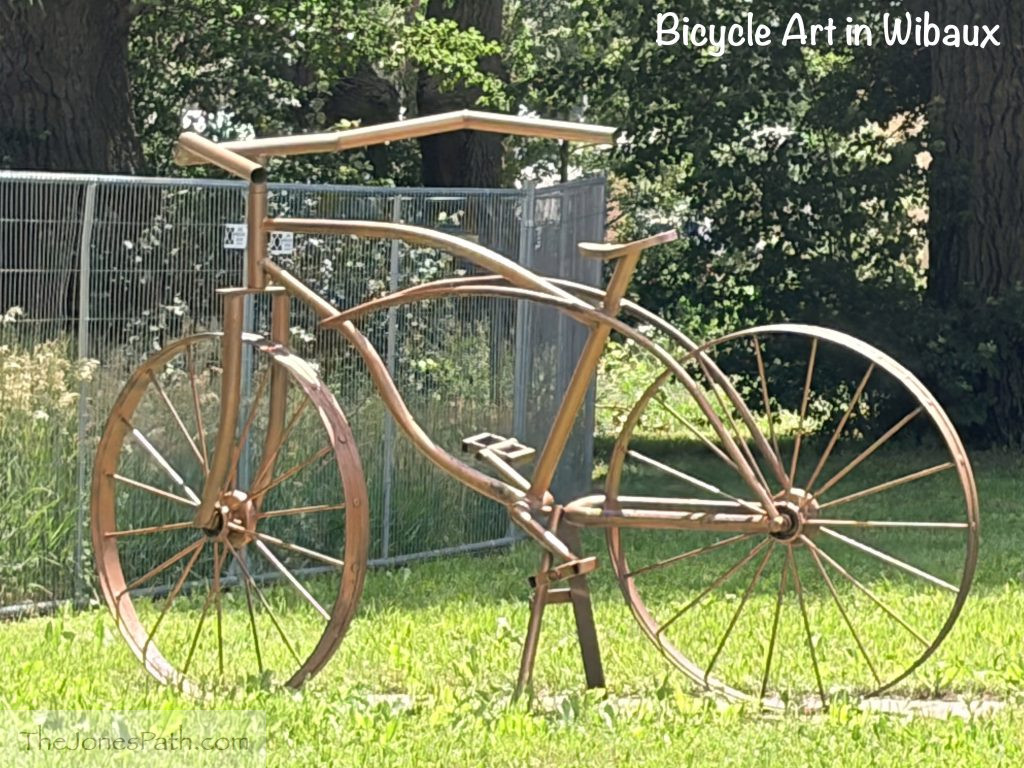
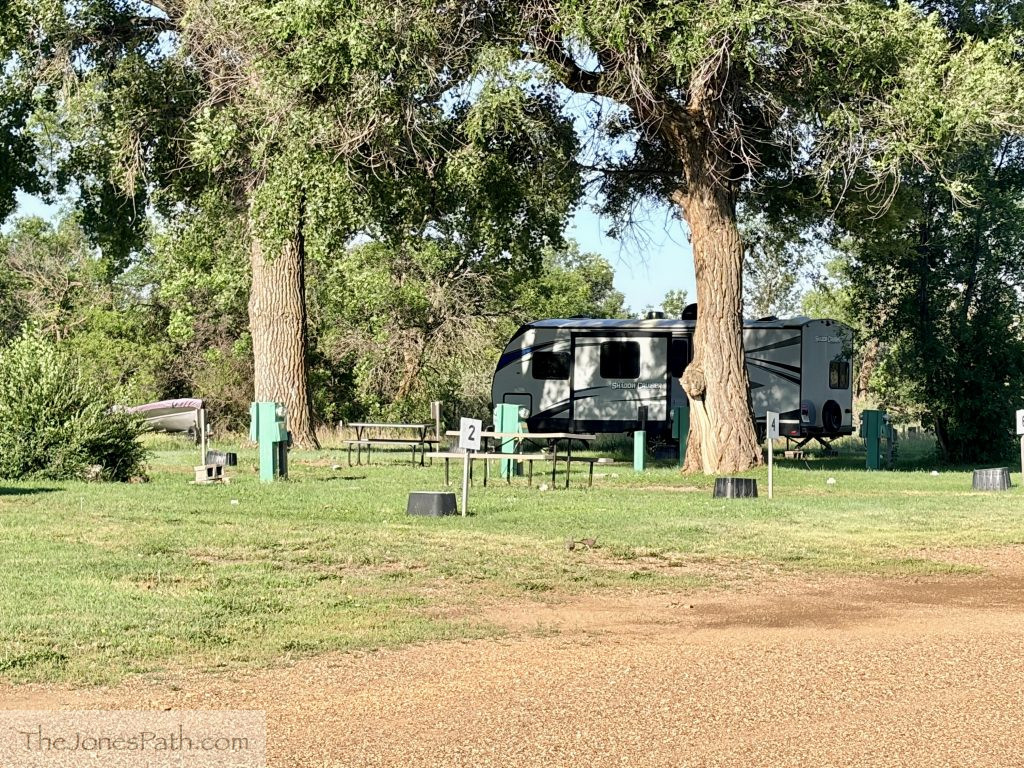
Beaver Valley Haven campground sits just off of I-94 on the edge of Wibaux, Montana, which is a very small town. There are a couple of eating choices and the Beaver Creek Brewery (for sale when we were in town), but not much in the way of groceries or regular shopping options. It is only a 30-minute drive to Medora, which has the sights talked about above, plus shops, restaurants, and tourist stops. According to the website, the campground is popular with hunters who come to the area for pheasant, turkey, and deer. Despite being there a long time, the campground really looks like an afterthought in someone’s side yard. It is very basic with no real amenities except for a dump station and a one-room toilet/shower combo which was clean, but could do with refurbishment. There was a building across the way that appeared to be cabins/apartments, but we didn’t see any cars coming and going there. Sites include tent camping, back-in RV sites, and large, grass pull-thrus with full hookups and 30/50 amps. We had one of the latter, and the setup was odd with a separately numbered site directly behind us that we pulled through to get in. No one was ever in any of those sites during our stay, but it would be weird because they would have to back right up to our rear windows to fit. There were no over-the-air TV stations, but cell signals for both AT&T and Verizon were fine. This is not a bad overnight campground, and that is how most of the people appeared to use it. There is a lot of road noise, but it wasn’t terrible for a place to park and explore the area. For this visit in July 2026, we paid just over $44 per night for 3 nights.


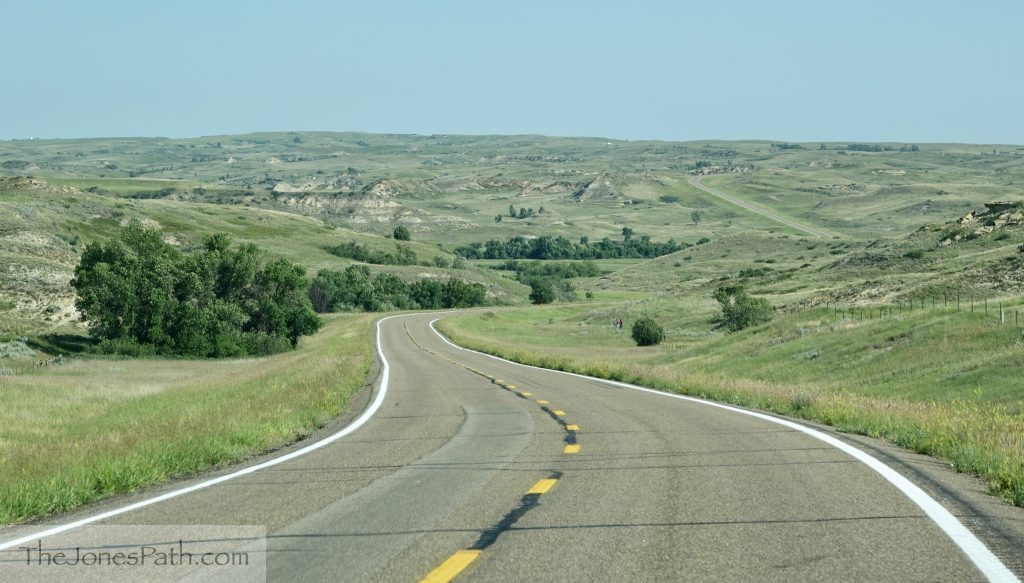
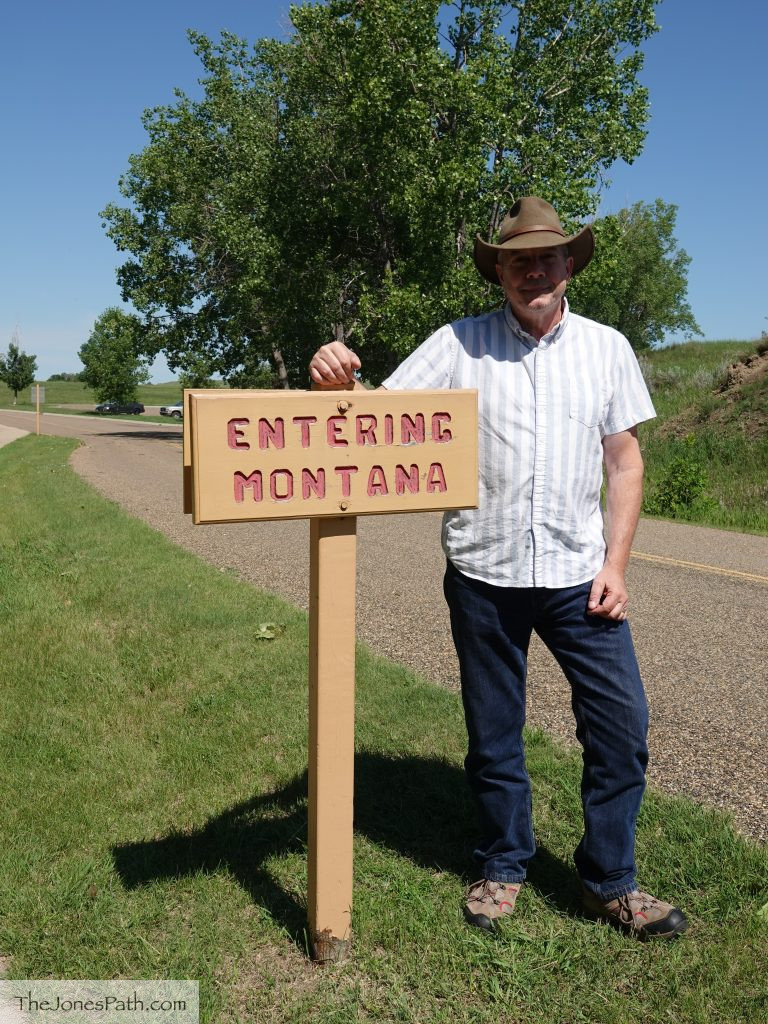
Thursday we headed out fairly early to leave time for stops along the way, taking I-94 east back over to Beach, North Dakota, where there was a Flying J. (You know MW had to pop in there.) Next it was north on ND-16 to ND-68 west, which became MT-23 into Sidney, Montana. There we searched out a post office to send off a package. Then MT-16 took us north, becoming ND-58 at the border, and ND-1804 over to check out a trading post.
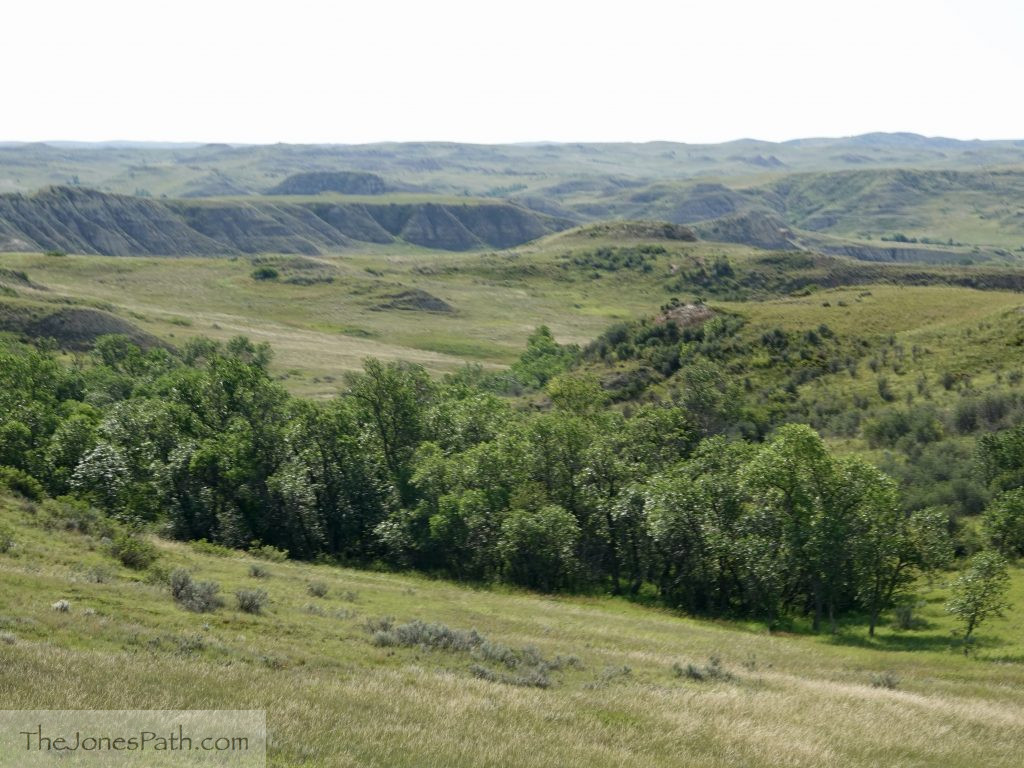

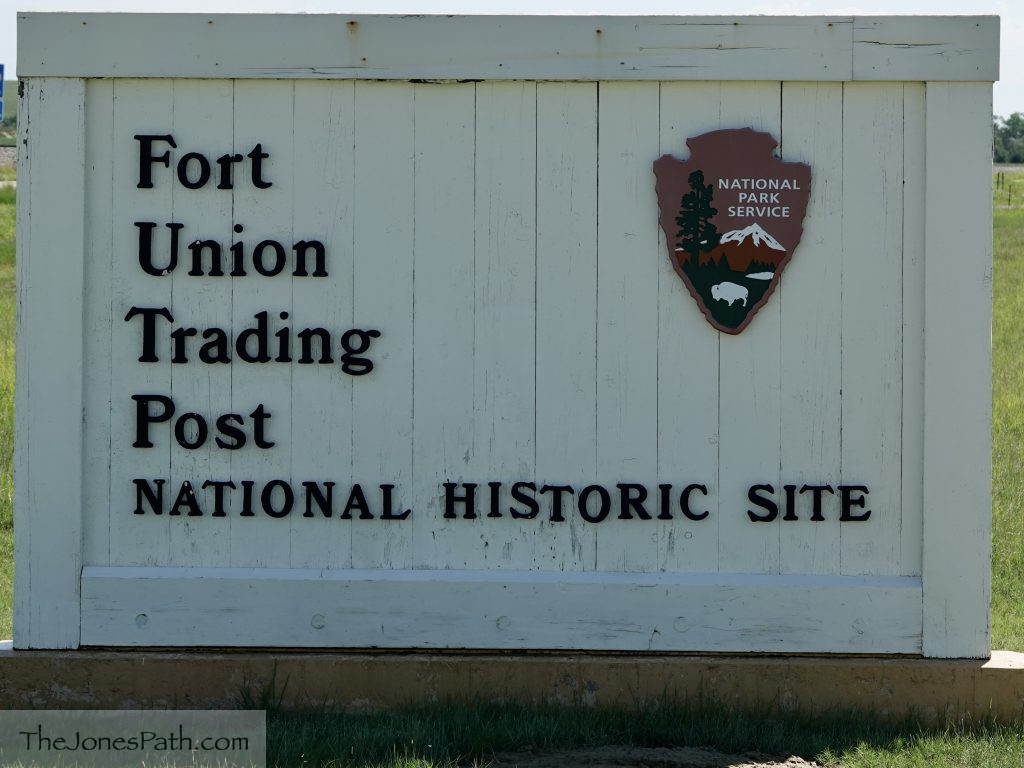
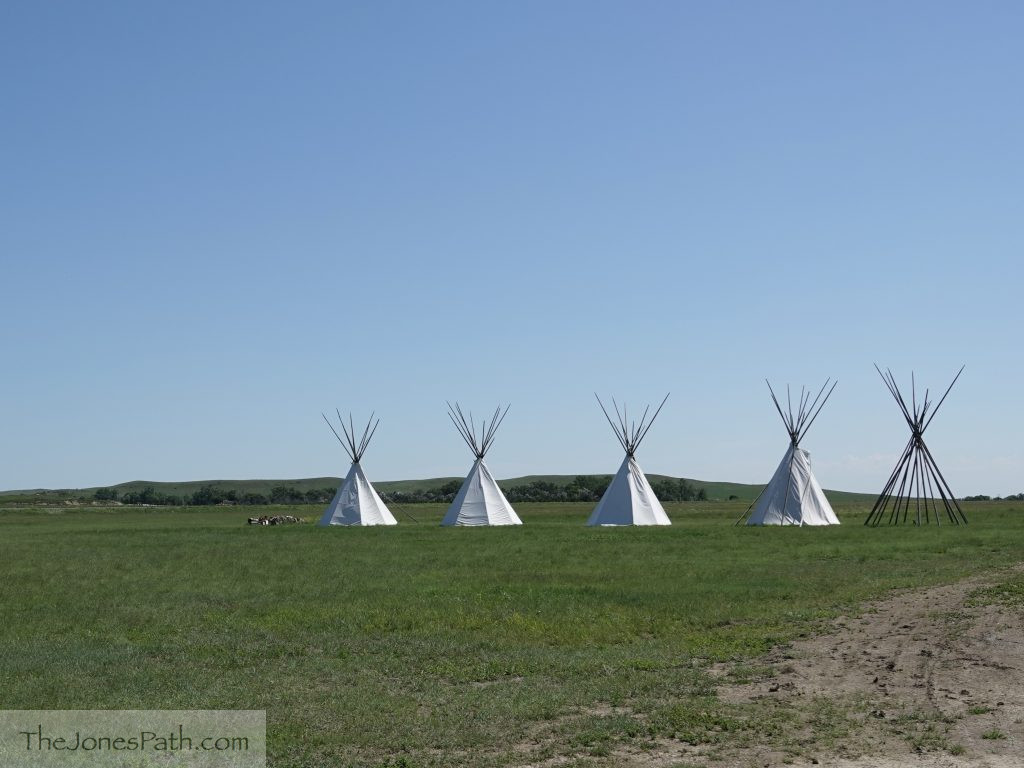
From 1828 to 1867, Fort Union Trading Post was the most important fur trading spot on the upper Missouri River. Sitting right in the middle of the territories of the Assiniboine, Cree, Ojibwa, Mandan, Hidatsa, Arikara, Sioux, Crow, and Blackfeet, it established a regular trading location between the tribes and Americans from the east. Tribes would set up camps outside the post and trade buffalo robes, beaver pelts, meat, corn, beans, squash, and other things for guns, pots, beads, knives, blankets, cloth, and the like. These trading sessions were very ceremonial, with chiefs coming first to the fort to establish trade prices for the goods of their entire camp, often in elaborate ceremonies that included smoking pipes and sharing meals. Over the course of time, many of these relationships became social and resulted in traders marrying into or adopting from tribes and participating in tribal rituals. The delicate balance changed in the later years when vast numbers of whites began moving west causing unrest and eventual restriction to reservations for the tribes. The Fort Union Trading Post National Historic Site is a full-scale reconstruction built on the post’s original location nearly at the state line between Montana and North Dakota on a rise that used to be just beside the Missouri River. (The river has relocated itself about 1/4 mile away since then.) The layout is the same with buildings in their original spots, some of which have been completely rebuilt, while others are just timber outlines. Today’s Visitor Center was once the Bourgeois House, home of the field agent and chief clerk, and was the most elaborate structure on the upper Missouri River during its heyday. The Park Ranger on duty when we were there is also a history teacher and was a wealth of information. This is worth a visit if you like western expansion history.


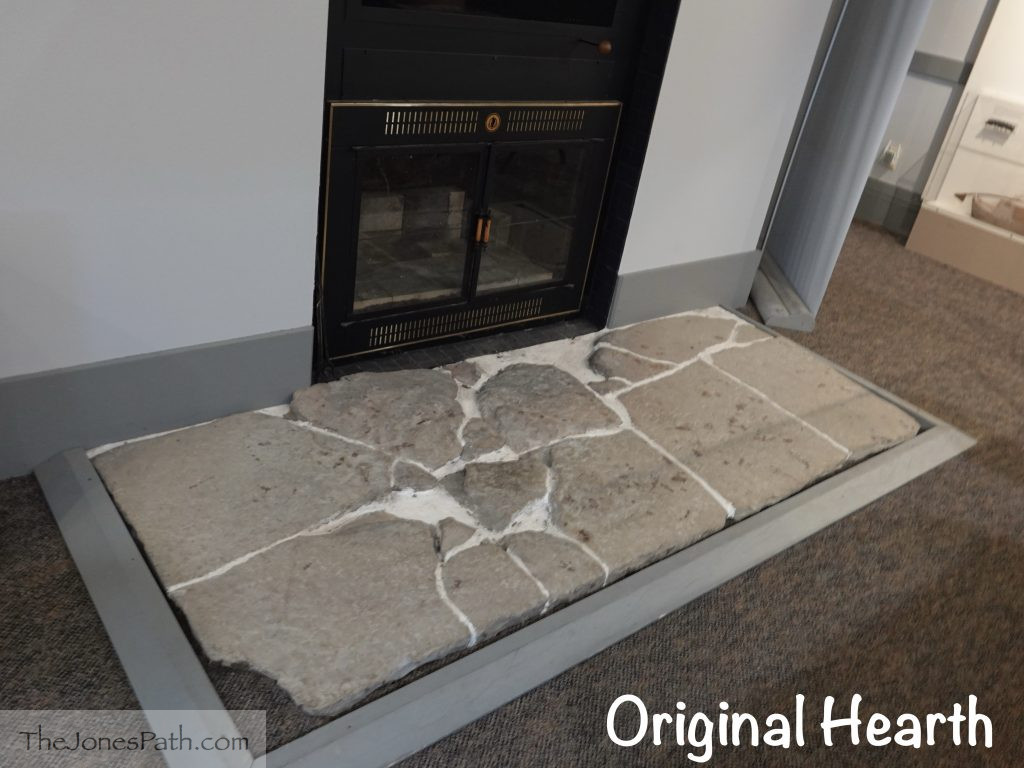
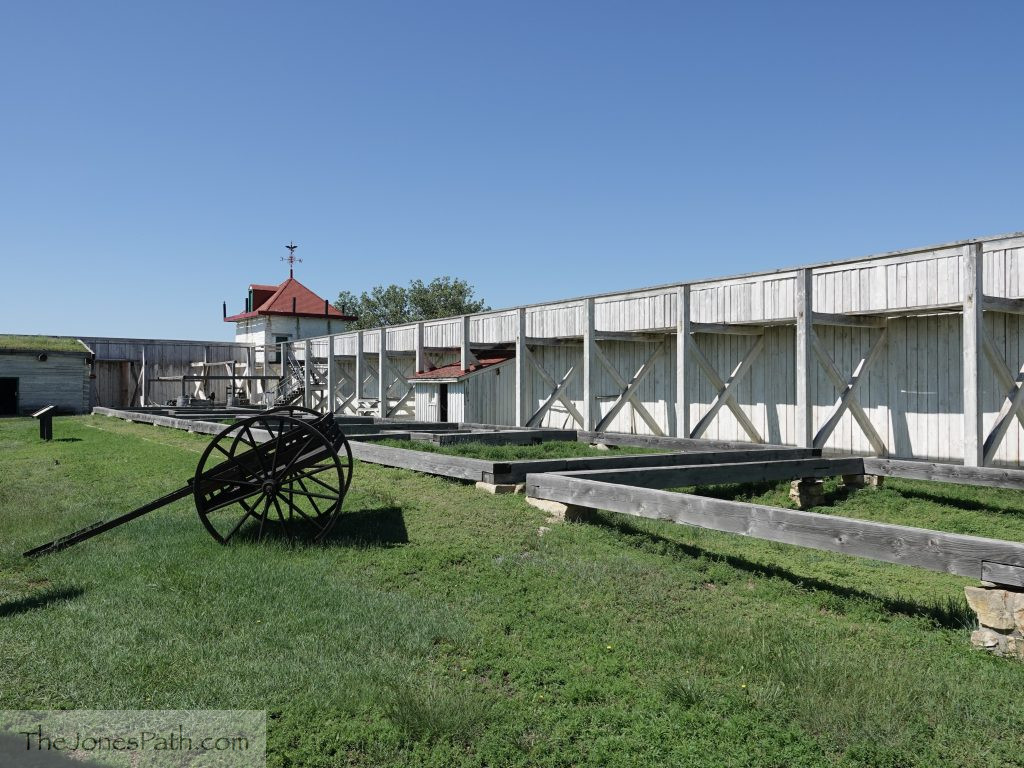
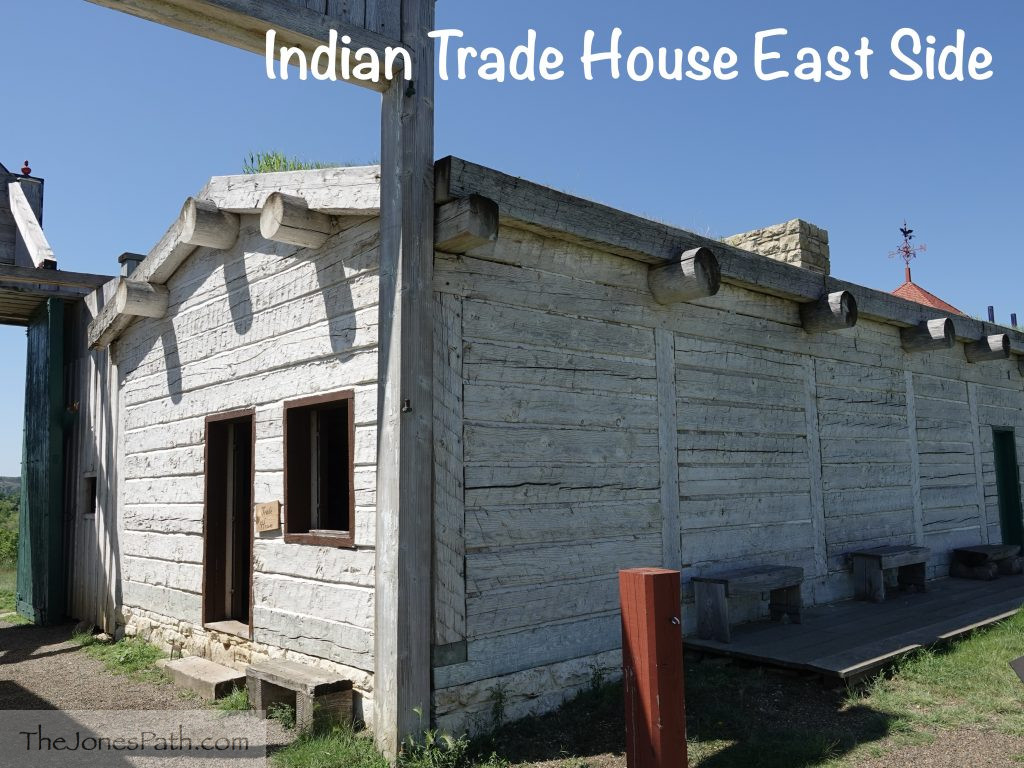

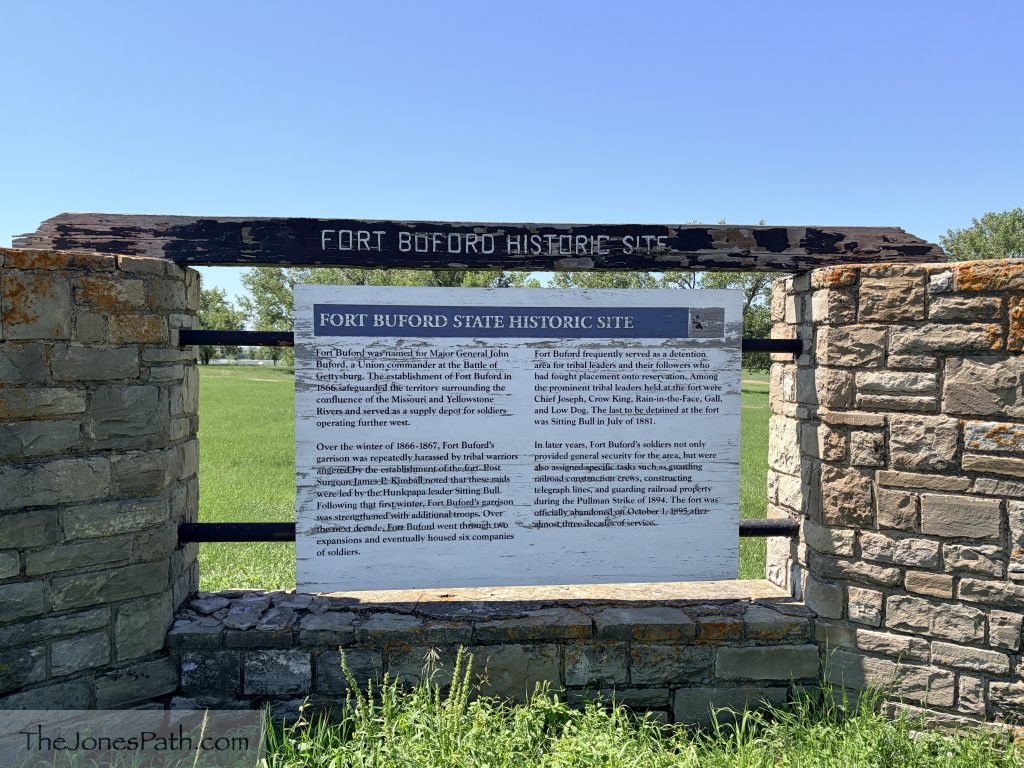
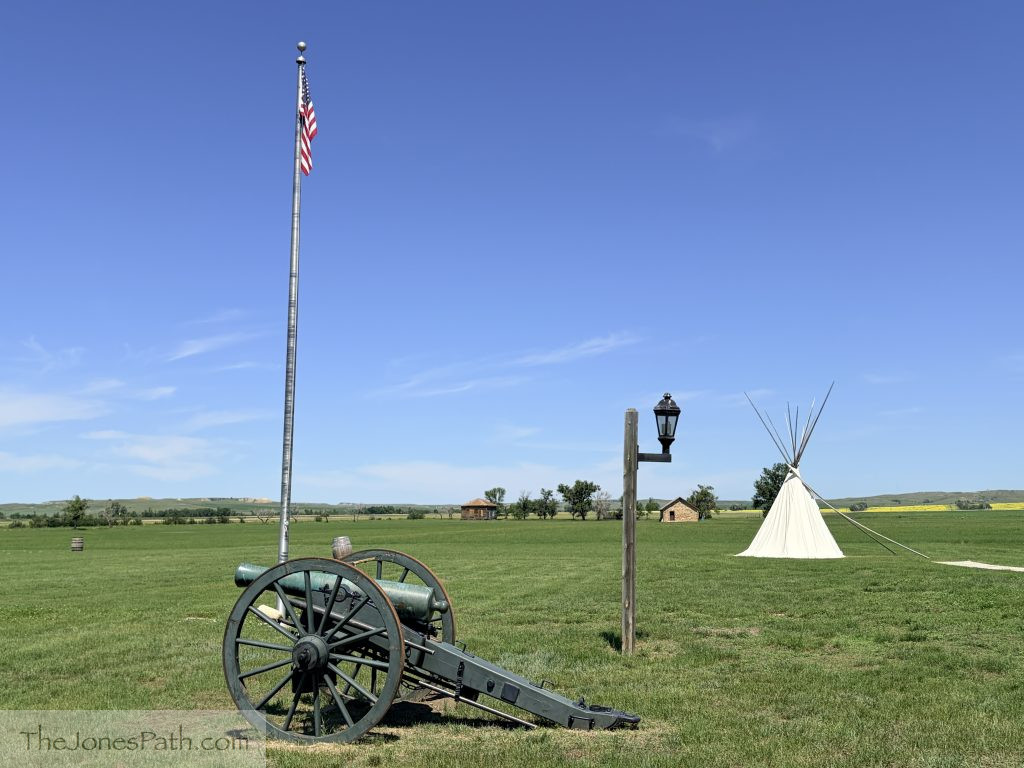
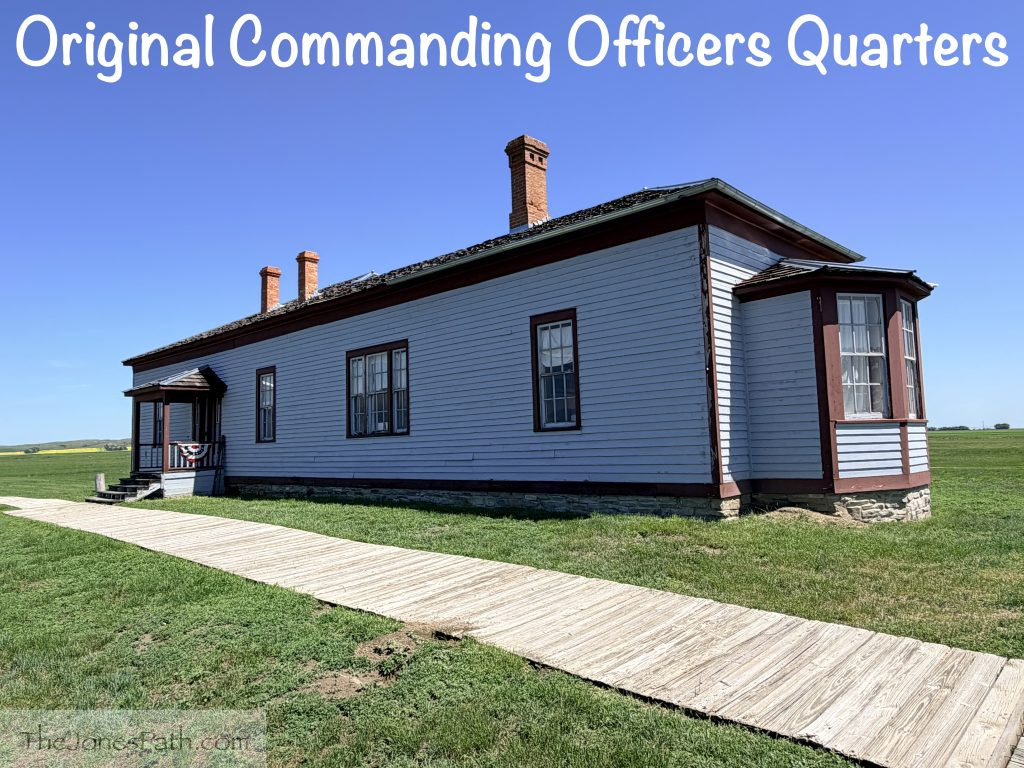
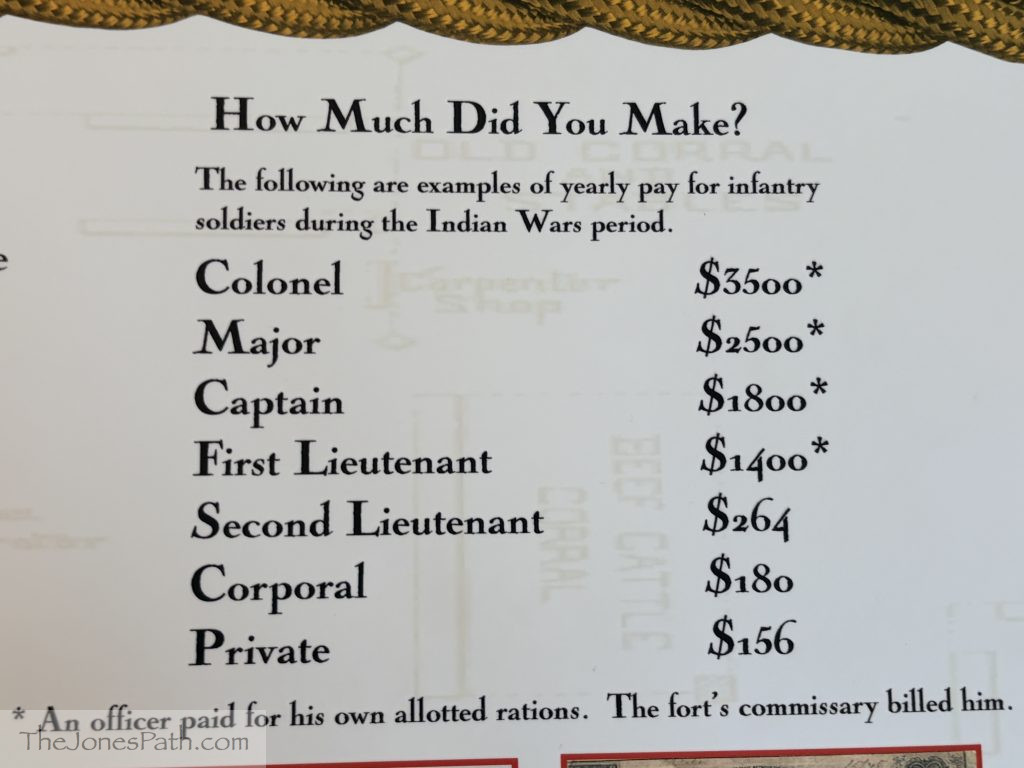
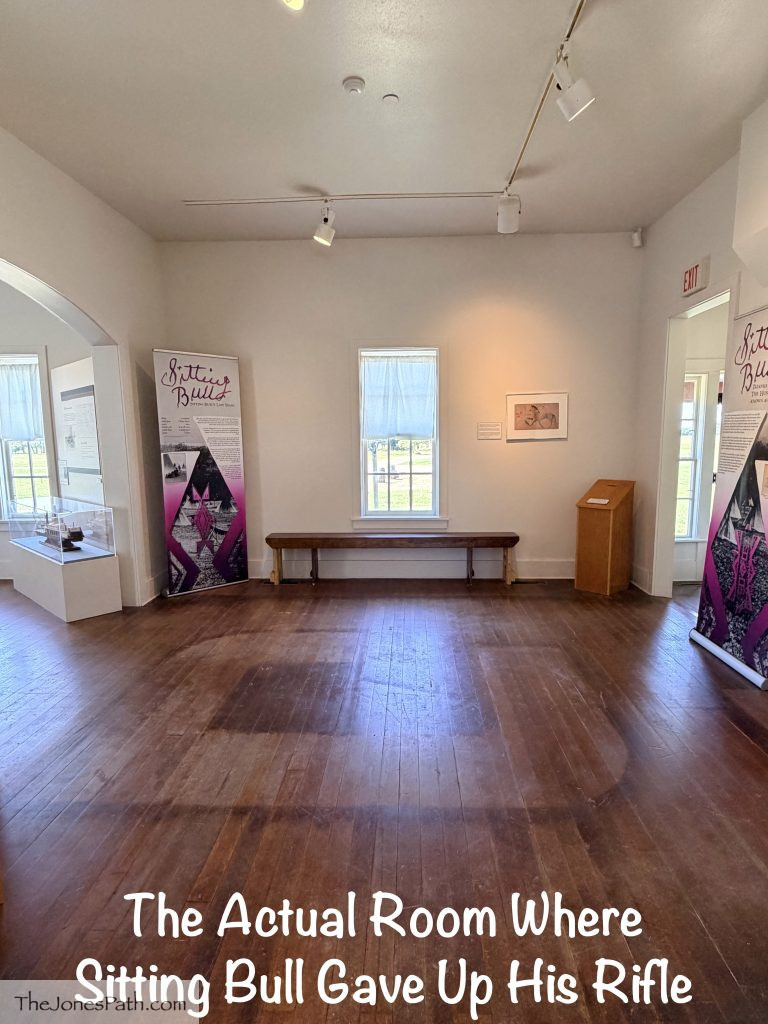
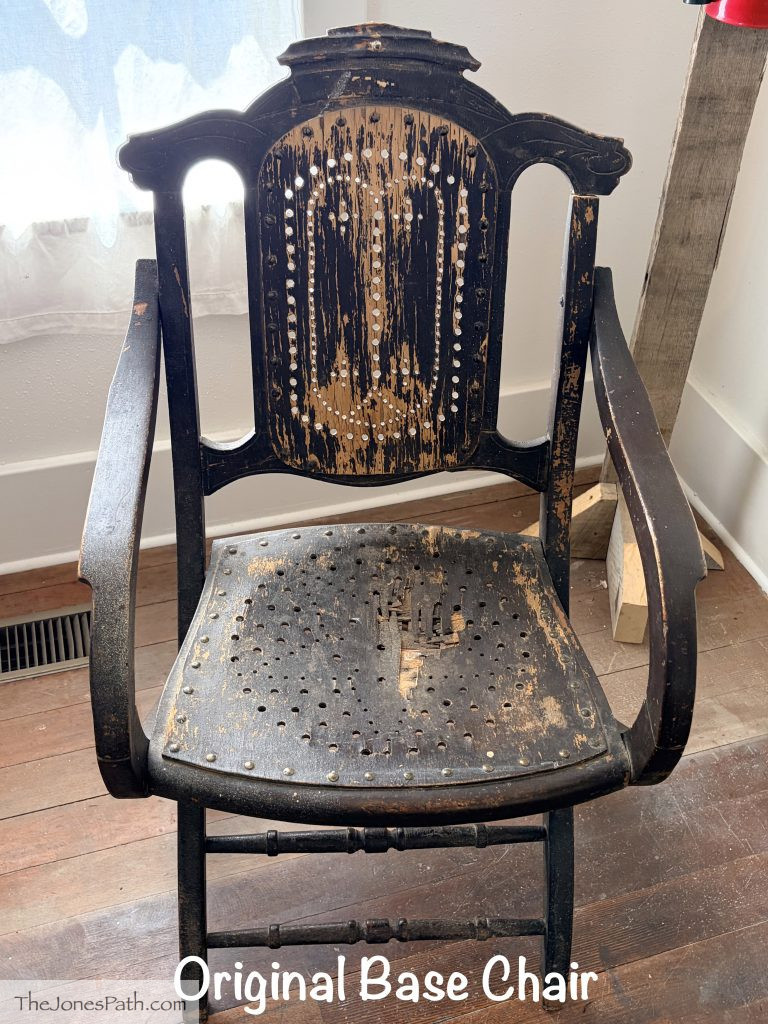
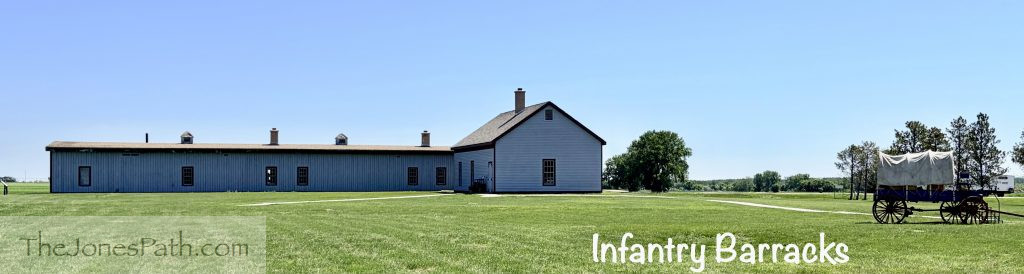
Our next stop was just a few miles away…Fort Buford State Historic Site. This post, built in 1866 in the Dakota Territory to protect land and water routes used by immigrants, was the nearest military post to Fort Union. Near where the Missouri and Yellowstone rivers converged, it functioned as a supply depot for military field operations. For 29 years it stood vigil on the northern plains, and attacks by the Hunkpapa Lakota began almost immediately upon its establishment. The fort is most famous for being the location where Tatanka Iyotake, the famous Hunkpapa Sioux leader known as Sitting Bull, surrendered his rifle in 1881. Today you can stand in the actual room where that happened in the original 1872 Commanding Officer’s Quarters. We again found a Ranger who was a wealth of information to give us a tour. Other original features include the 1875 stone powder magazine and the post cemetery site. There is also a reconstructed Infantry Barracks building with exhibits. It was hotter than blue blazes outside, so we didn’t walk around the grounds too much, but did check out the buildings. The park also has a campground and picnic area. The place is overrun with prairie dogs that aren’t too worried about humans walking among them. In fact, one was chasing another and ran within about a foot of my shoes on the boardwalk. The Ranger said the rodents are a huge problem, but they aren’t allowed to shoot them. A specific poison, however, could be deployed. Seems like a good .22 in the right hands could quickly and humanely dispatch most of the little boogers.



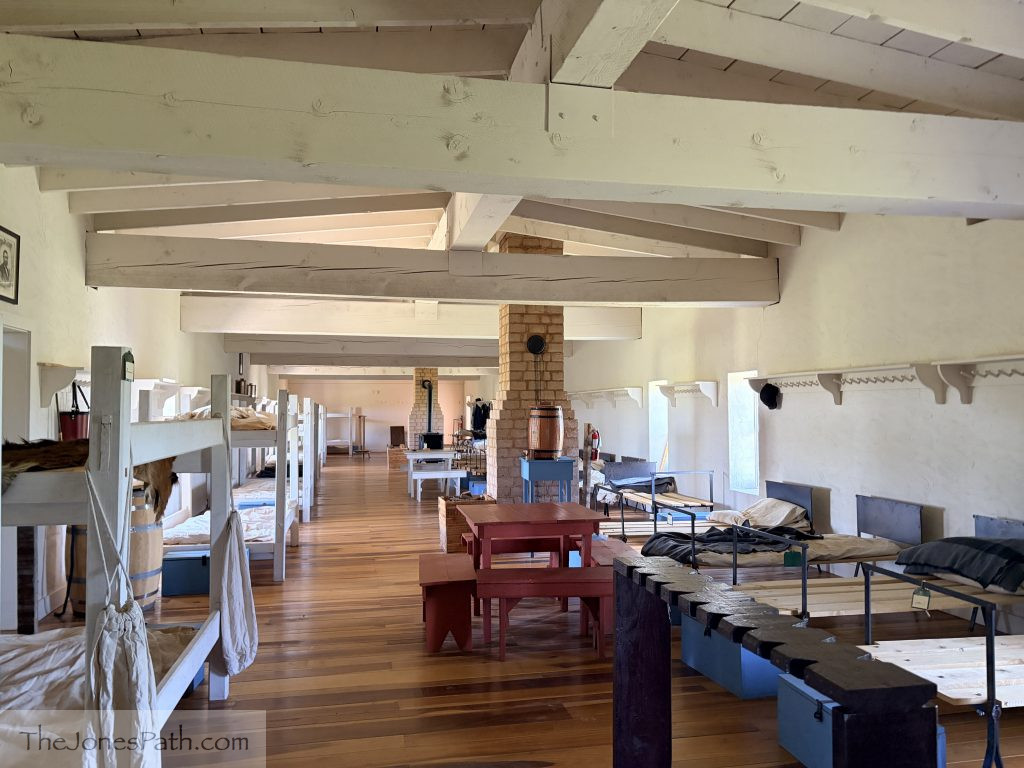
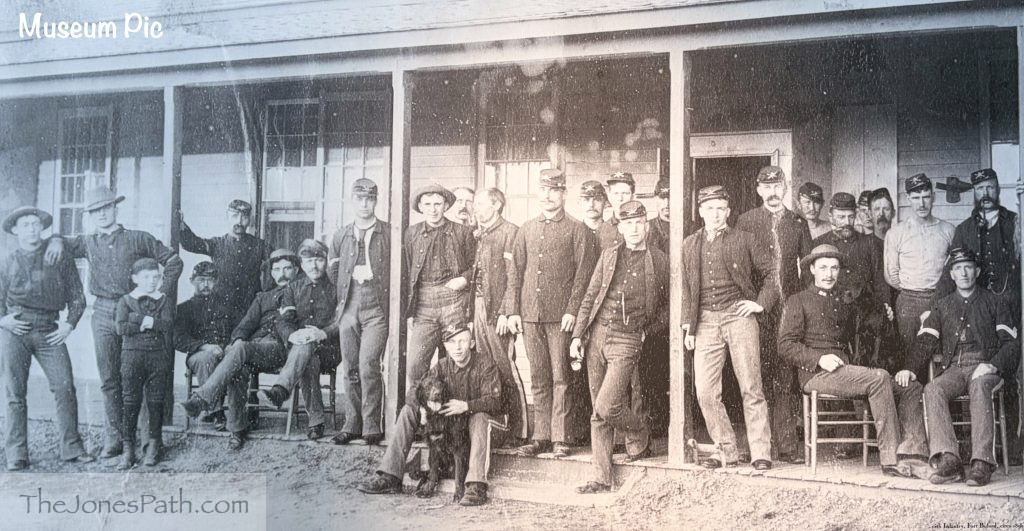

Back on the road we continued northeast on ND-1804 to US-2 into Williston, where we stopped for a very late lunch at Culver’s. Then US-85 north took us up to Buffalo Trails Campground just north of town. It had been a gorgeous, but hot day for a drive. The scenery was amazing, though.
Friday MW woke up with a sore throat and went downhill over the next couple of days. I knew he felt bad, because this is the first place we’ve ever stayed anywhere that he didn’t leave the trailer except to go shower. I took care of laundry and ran some errands on Friday, then sat at Culver’s to write for a bit. Saturday I did a little shopping and ran some errands, then had lunch and did some writing at Taco John’s, taking some burritos and oles home for MW. Sunday he was still puny, so I headed out to church at Cornerstone Baptist. While there I met some nice people who are thinking of retiring to east Tennessee to get four seasons that aren’t dominated by winter. LOL. Invited them to look us up for an orientation trip, and I hope they do. Meanwhile MW streamed services from Sneedville First Baptist back at Priscilla. I fueled up Big Jake in preparation for departure on the way back to the campground. In the afternoon MW rested while I did a bit of writing, then we watched a little professional bull riding on TV.
Buffalo Trails Campground is a private, seasonal park just north of Williston, North Dakota. Amenities included an office with very minimal store stuff, laundry, a play area, a dog walking area, and the bathhouse. They also appeared to have some RV/vehicle storage in the back. The campground has 79 sites, 59 of which are full-hookup with 20/30/50-amps and 40 are pull-through. They say their average site width is 30′, and that seems pretty accurate and unusual for a private campground. Sites were graveled and fairly level, and they are pretty protective of their grass, which is well-taken care of. We found this campground and the lady in the office to be very nice. The bathhouse was clean and well-taken care of, and although it was just off of the main road, it was pretty quiet. We would definitely stay again. For this visit in July 2026, we paid $50 per night for 4 nights.
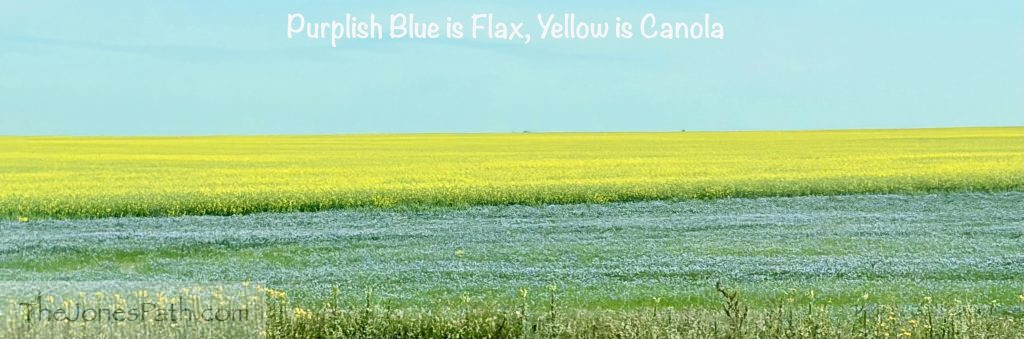
Monday, July 13, although MW could have driven, I gave him a break and took the wheel for our relocation into Canada. Hitting the road at around 8 AM, we took US-85 north to ND-5 west to ND-35 to the Canadian border crossing. The approach to this one was a little confusing. The road went straight ahead to the Canadian point of entry (POE) station, but it was blocked off by cones. One sign pointed to the entry into the fenced American POE station to the left (our only option) and said “Last turnoff before Canada”, but nothing about how to get to Canada. From our vantage point, it was uncertain whether I could get out if I made that turn towing this big trailer. I inched forward, then saw that, worst case, I could circle back around to the left and get to the same spot in the road. Moving forward we could then see that we were able to turn right at the parking lot and there was an exit gate further up towards the Canadian side. There wasn’t, however, any signage telling us whether they expected us to stop there or just drive on through. We’ve never had to stop to talk to the Americans when leaving before, but this setup definitely made you feel like they might want to have a word. We waited a few seconds and saw no one, so just continued up to the Canadian station. The officer was very nice, and the process was simply giving him our passports and itinerary while in Canada and rolling down the truck’s back window so he could see inside. He asked a couple of questions, went in for a quick background check, then sent us on our way. The total process, less the indecision at the American station, took maybe 5 minutes, and so far in our travels that has been fairly typical. We do usually plan our crossings at unpopulated areas, though. (Once I had to fly into Vancouver, rent a car, and cross into the U.S. and waited in traffic for HOURS!! Luckily, BFF Tina was available, so we talked on the phone the whole time.) On the other side we picked up SK-35 up to Weyburn, then turned west on SK-39 to Corinne. Hwy 6 north then took us to Regina, where we stopped for late lunch at Montana’s BBQ & Bar, which was really good. Afterwards CA-1 east got us to the Comfort Plus Campground around 2:30 PM. It had been a gorgeous day for a drive through striking farm country. The canola and flax were in bloom, and there was also lots of hay and barley.
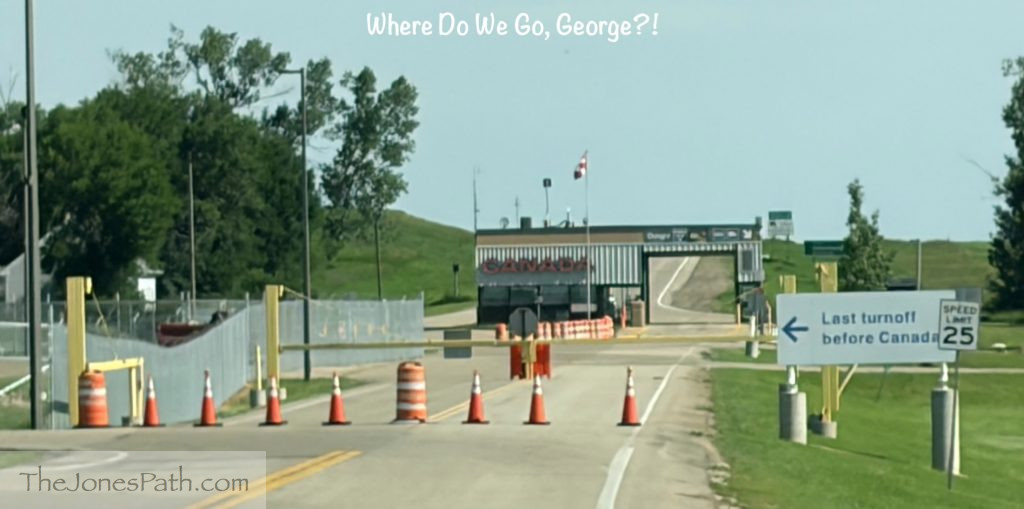
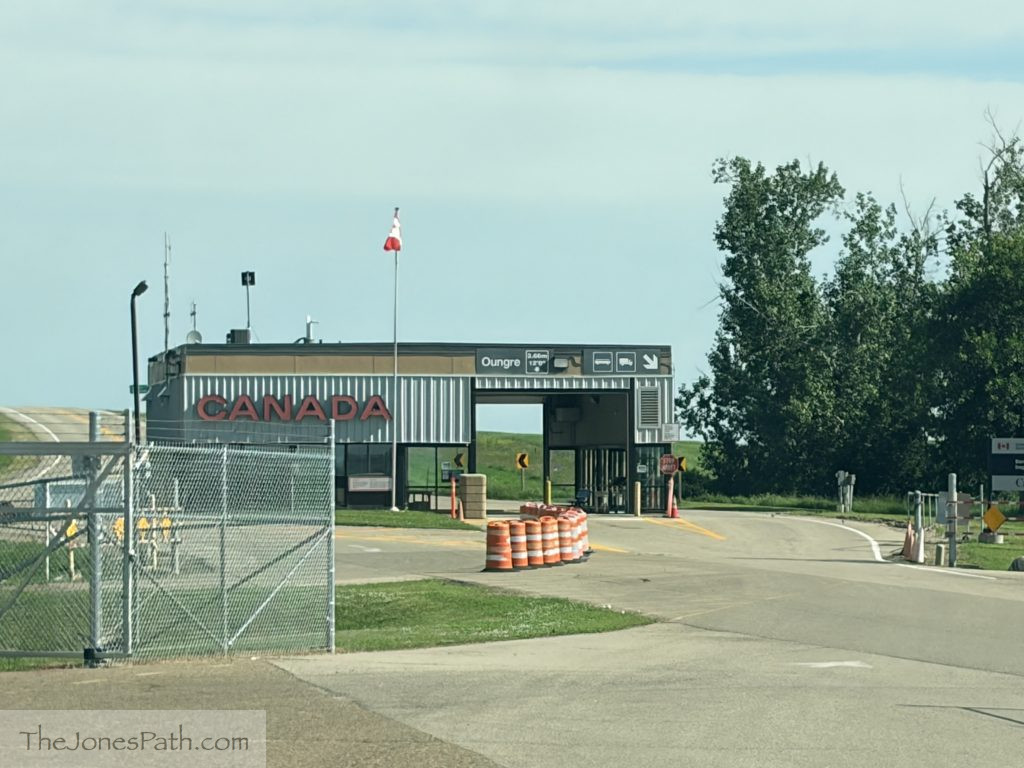
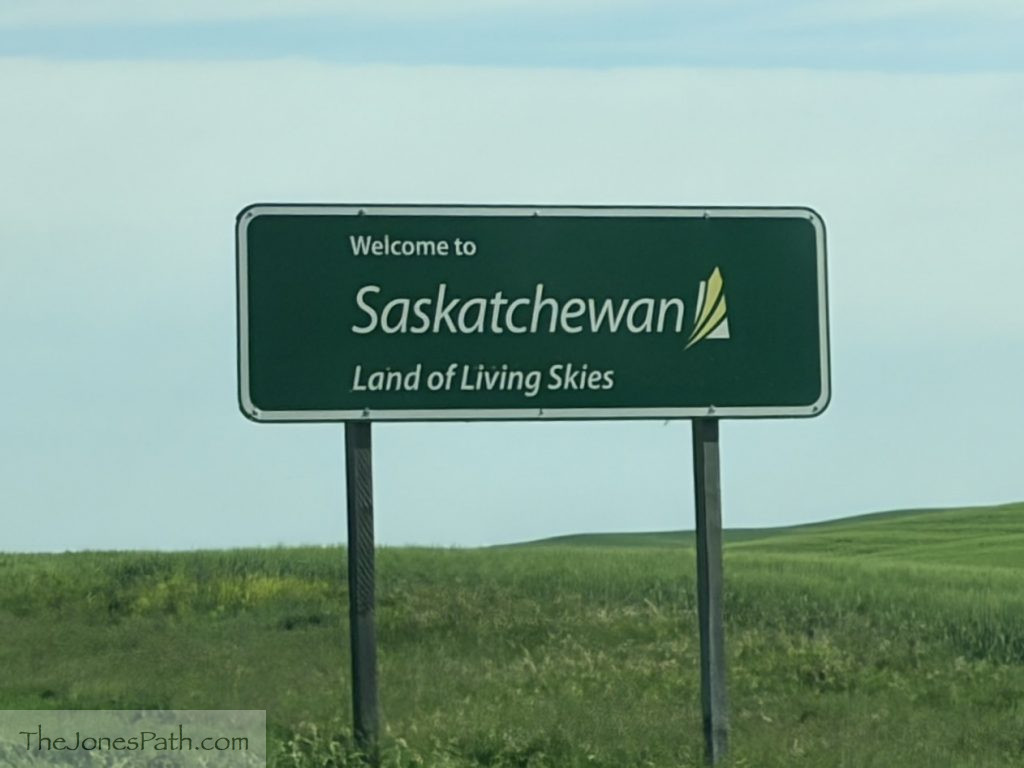

Tuesday MW finally woke up feeling almost like himself. We headed out to do a little shopping at Winners and Costco, then popped in to McDonald’s for lunch. MW was hoping to try the Big Arch they’ve been advertising, but it was no longer available. After that we went to check out the Mounties!
The RCMP (Royal Canadian Mounted Police) Heritage Centre is located on the campus of the RCMP Academy, Depot Division, which has been their police training academy since 1885. At the center we started out with a movie that shows the rigors of the 6-month program, which is no joke. Those folks are outside in the weather year-round, including when it is -40 with 20 mph winds and blowing snow! Several hundred men and women graduate from the program every year, and they don’t discriminate. When it comes to self defense practice, they are all intermingled using the philosophy that, as a female officer in the real world, you will come up against someone who is much larger than you. In the video they showed a young woman finishing up the class with a swollen, black eye and a busted lip. She shook it off and went to her next class. No sissies in the RCMP!! (So if you come to Canada and see a nice, petite RCMP officer, just know that she can probably whip your butt!!) The museum consists of exhibits on all aspects of the organization and was very informative. (I do have to say, the inside was very nice, but the outside of the building and grounds needed a bit of work.) Here are a few bits:
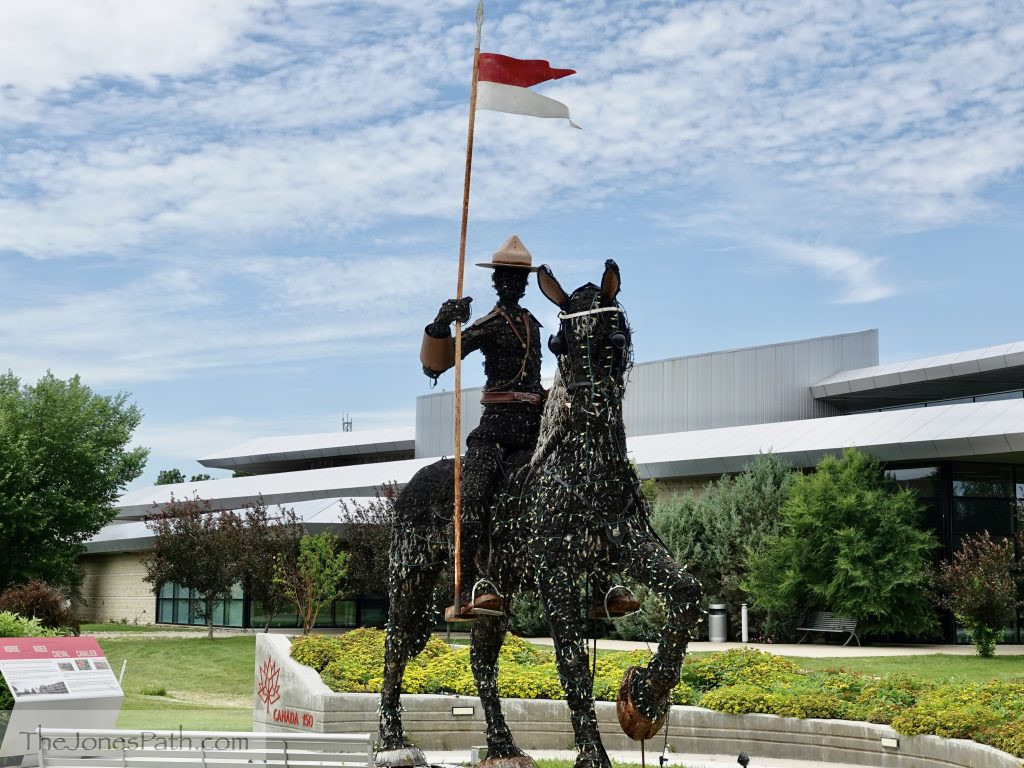

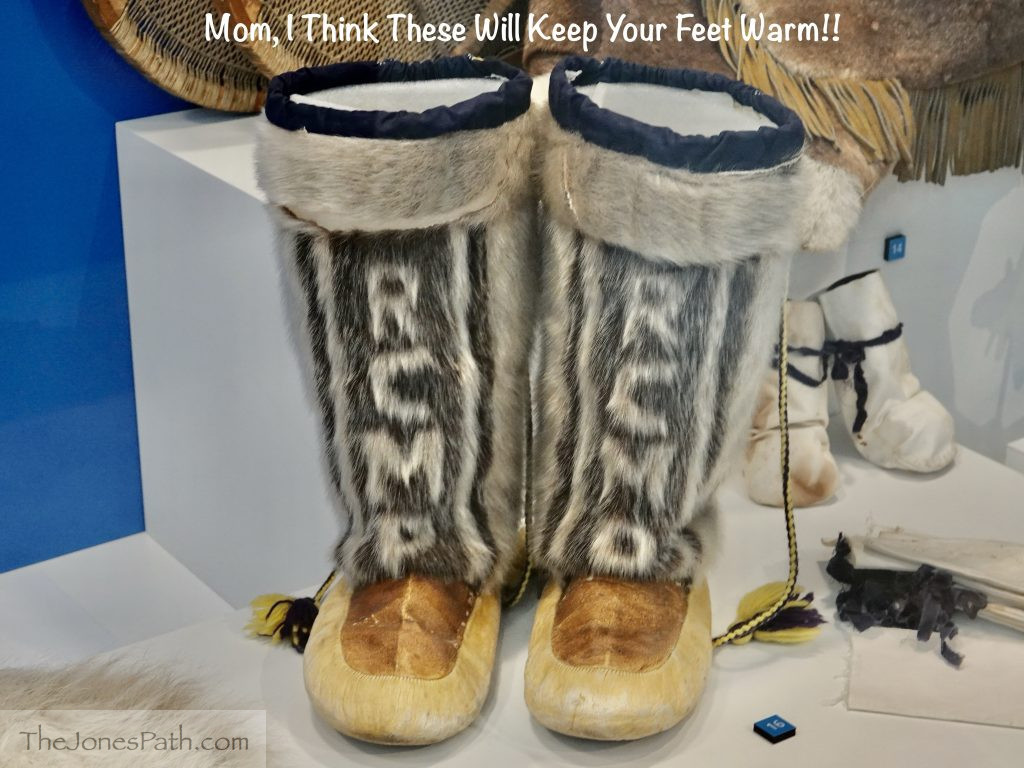
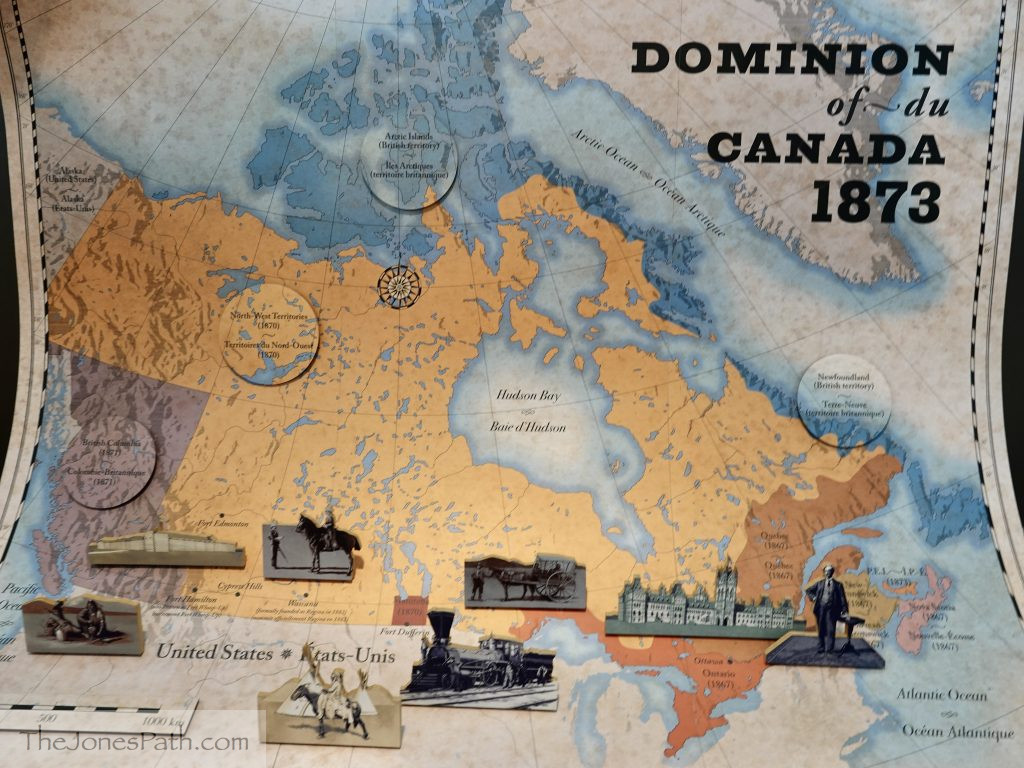
- The roots of the RCMP date back to 1869, when the Hudson’s Bay Company transferred territory to the Dominion of Canada. At the time, plans were coming along to build a railway across the country, and Prime Minister John A. Macdonald wanted to settle the west without the violence that had plagued the American westward expansion. In 1873, he formed the North-West Mounted Police in Saskatchewan specifically for that purpose. The Canadian western First Nations communities did settle more easily. With the disappearance of the buffalo in the late 1800s across the plains changing their way of life, they became very poor, and also suffered from smallpox and tuberculosis brought in by folks from the east. The Wild West in America added to the situation with traders from Montana coming into Canada and providing whiskey for furs and horses with devastating effect. When the Canadian government did offer treaties that created reservations and taught them farming, many accepted readily. Then, in 1873, a group of wolf hunters killed dozens of Nakoda (Assiniboine) Indians who were hunting, an act that would become known as the Cypress Hills Massacre. Spurred on, Macdonald pushed for the creation of a police force that would establish friendly relations with the Indigenous peoples, enforce Canadian authority, pave the way for settlers, and maintain law and order on the frontier. An act of Parliament created the North-West Mounted Police in 1873.
- Despite the nations being well-established, I did not know that the border between Canada and the United States was not surveyed and marked until undertaken by the North American Boundary Commission in 1873-74.
- NWMP headquarters moved from Fort Walsh in the Cypress Hills to this property in 1882, and the “Depot” Division was established 3 years later as a training centre. In 1920 the headquarters moved again, this time to Ottawa, but the training center stayed put.
- That bright red uniform that all Americans identify as the RCMP is called the Red Serge. It began with an off-handed comment by Lieutenant Governor Alexander Morris to Prime Minister John A. Macdonald that he “was better off with 50 men in red coats than 100 in any other colour.” That proved right as the Indigenous people identified it with the Queen and Great Britain. It has been slightly adapted over the years, but still maintains that brilliant scarlet. Today it is still a beloved Canadian symbol, although strictly a dress uniform.

- Originally recruits had to be horsemen and read and write in either French or English. The enlistment term was 3 years, and they were paid 75 cents per day. Three hundred men signed up. Officers were selected from among the recruits, with previous military experience favored. In 1966, their saddles were left behind, with the exception of the Musical Ride, a show unit that showcases the equestrian skills of 32 regular cavalry members of the RCMP. Active since 1887, it functions similar to the USMC Silent Drill Team and other programs to promote the image and build relationships with the public. Their horses are bred and trained at their own RCMP farm, originally at a re-purposed Fort Walsh and today in Ontario. I’ve seen the Silent Drill Team, and I’d really love to see the Musical Ride! Maybe next visit.
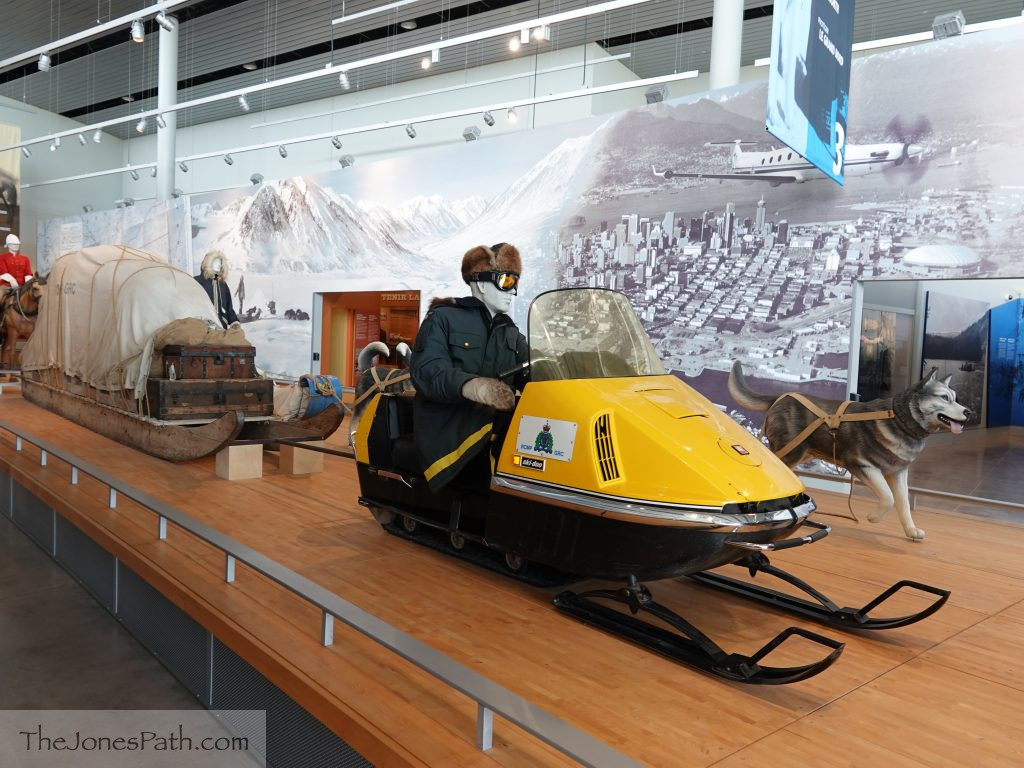
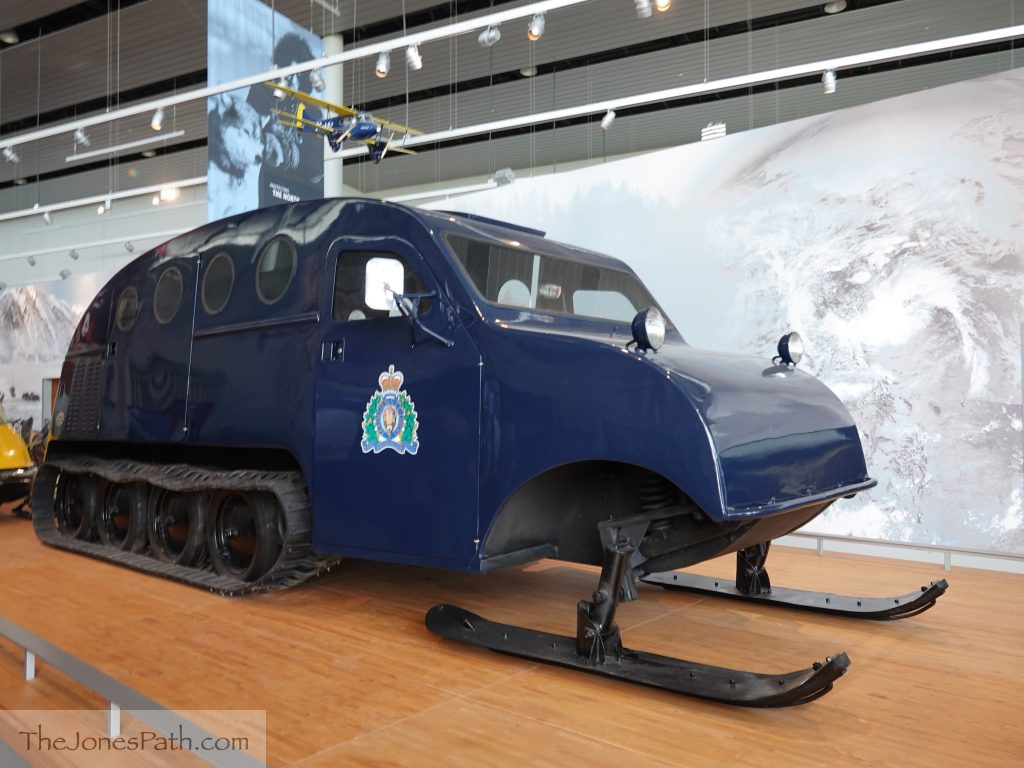
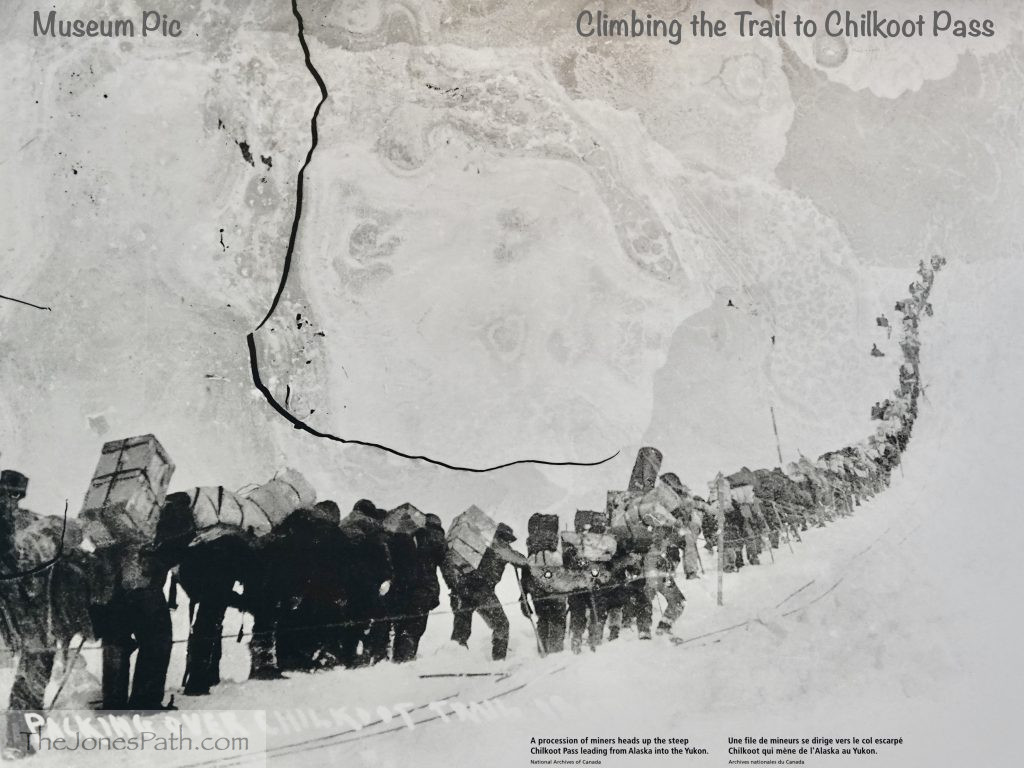
- During the Klondike Gold Rush, thousands of would-be millionaires headed north into the Yukon and Alaska; seriously…an estimated 30,000 miners almost overnight. The NWMP quickly increased its ranks and set up detachments at the top of the Chilkoot and White Pass trails. Led by Superintendent Sam Steele, they stood their ground requiring incoming prospectors to have provisions for at least a year or a provable previous agreement with a Trading Post before undertaking the trip. That probably saved the lives of quite a few impetuous people. We rode a train years ago across the canyon from Chilkoot Pass. It is amazing to see that little trail and know how many thousands of people had to cart about 2,000 pounds worth of supplies up. It required many trips, piling their stuff at the top where the Mounties waited.
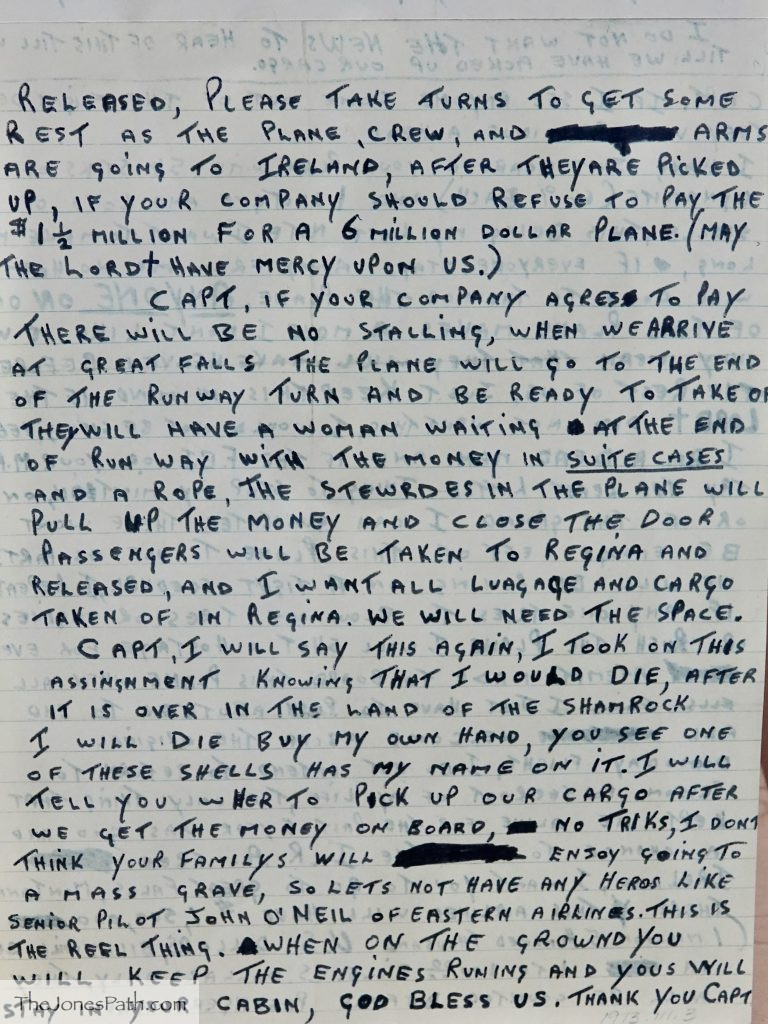
- On display in the museum is the letter written by 1971 Paul Joseph Cini, who hijacked Air Canada Flight 812 in Calgary. Posing as an international terrorist and armed with dynamite and a shotgun, his intention was to pick up ransom money in Montana, then parachute into the Canadian wilderness. His first mistake was having several alcoholic drinks once aboard, probably to work up his courage. He easily gained control of the plane by passing the note below to the Captain. The flight did land at Great Falls where Air Canada gave him $50k (all they could pull together quickly) of the $1.5 million he requested. It is uncertain whether Cini knew of the shortfall, but the package was accepted, and all of the passengers and most of the crew were released there. Level-headed flight attendant Mary Dohey, who had trained as a psychiatric nurse, kept the situation calm despite being required to maintain pressure on a bomb trigger for 8 hours, and VOLUNTEERED to stay aboard! The plane took off again headed for Phoenix, but a drunk Cini turned it back towards Canada. When nearing Calgary, he attempted to don his parachute, but he couldn’t untie his knots. That’s when he made his second mistake…one of the crew passed him a fire axe, and he put down his shotgun to cut the cord. Captain Vernon Ehman and crew member Phillippe Bonny hit him in the head with a fire axe handle, fracturing his skull and knocking him out. So, how did it all turn out? I was a bit shocked, honestly. Cini was convicted on seven charges, four of which carried maximum penalties of life in prison. BUT he only served 10 YEARS!! Meanwhile several awards were handed out: Dohey received the Cross of Valour for bravery, Flight Purser (I’m assuming that is a Flight Attendant in my language) received the Canadian Star of Courage; and Ehman and Bonny both received the Medal of Bravery. NOTE: 11 days later D. B. Cooper would attempt the same type of hijacking and disappear into the wilderness in the United States.

SCARY NOTE: As is typical, I finished up before MW and found a place to sit and a stranger to talk to. Eventually his wife and MW joined us, and we continued the conversation. Suddenly, from across the room there was a scuffle, and a woman was yelling. Turned out that a man suddenly passed out and hit the concrete floor. His wife was yelling, and a couple of other people in their party were trying to help. MW and the husband both said “call an ambulance” as I headed to the desk to find out what to dial for an emergency. Thankfully, the young girl was already on it. After a couple of minutes the man started to come around, and his family helped him to a chair. The ambulance showed up and took him off to the hospital. I said a prayer for all of them, and learned a lesson…always know the number to emergency services when you are traveling in a different country!! BTW…in Canada it is the same as the U.S., 911.
When we finally finished, we stopped in at the Real Canadian Superstore on the way back to Priscilla. It’s a little like Walmart or Super Target, and we grabbed a few groceries.
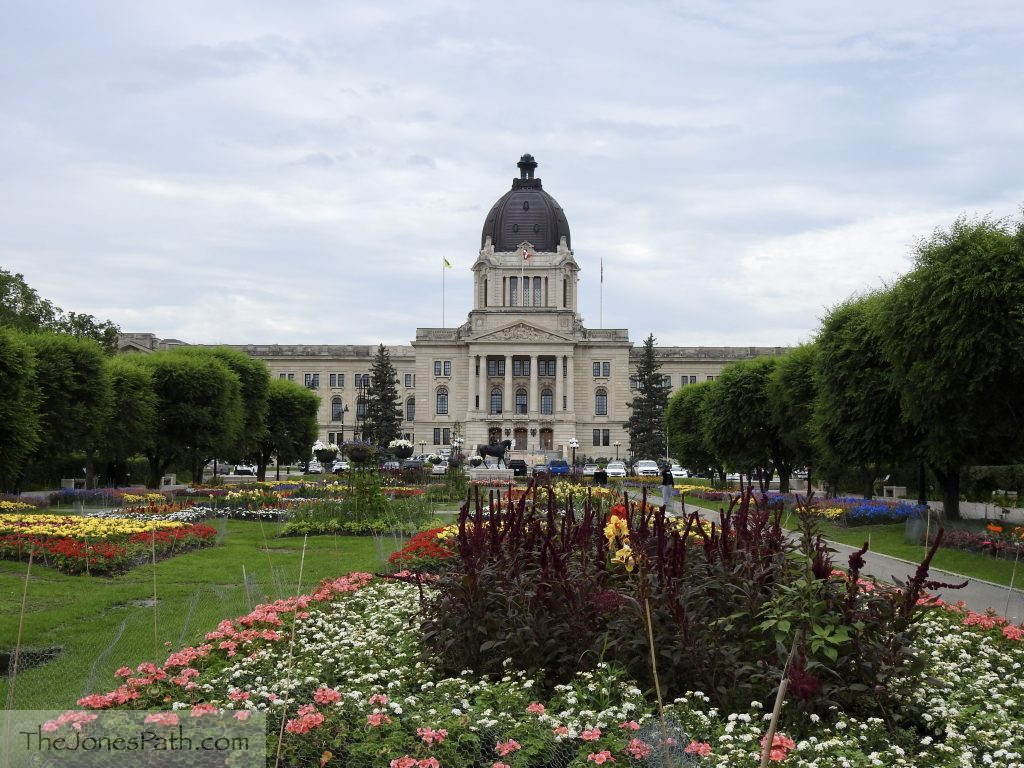
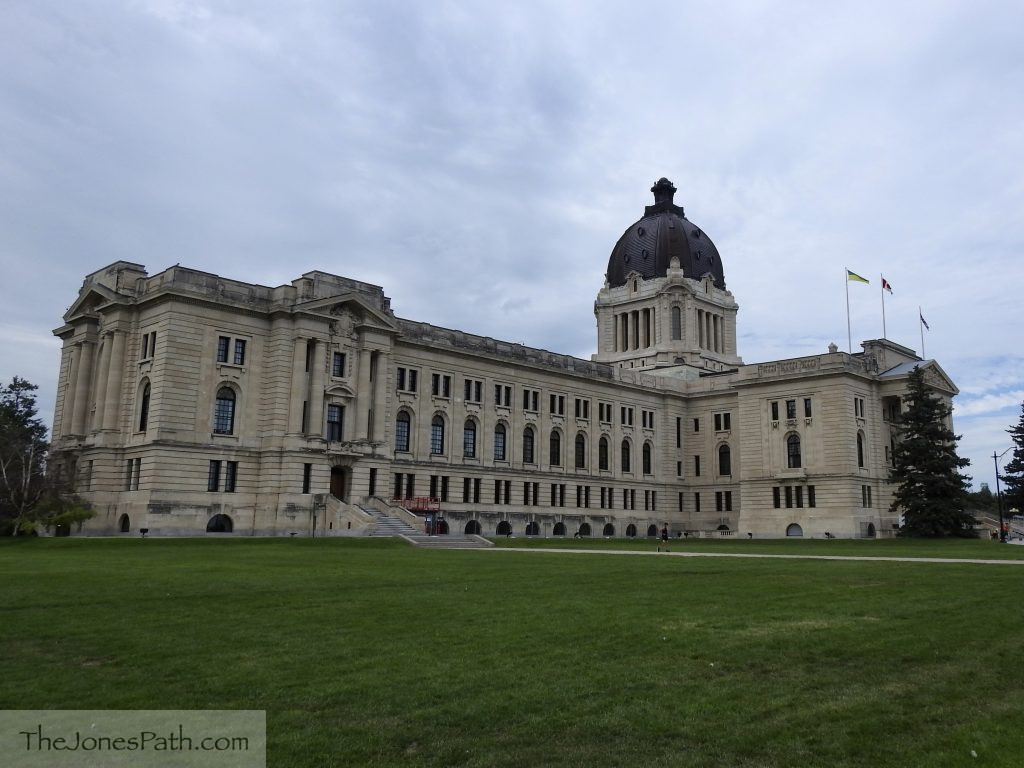
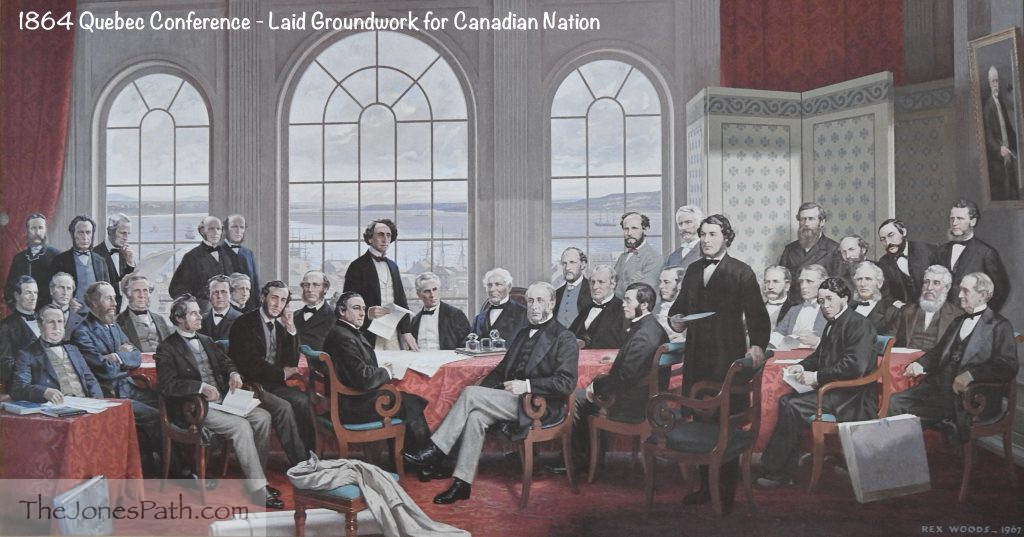
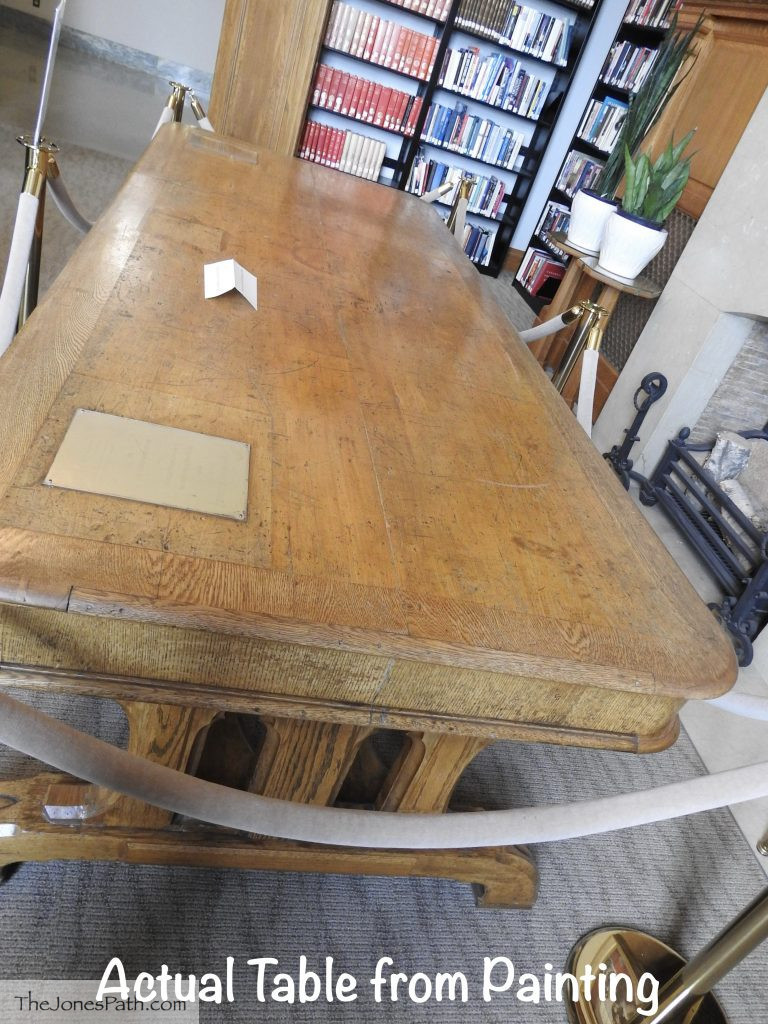
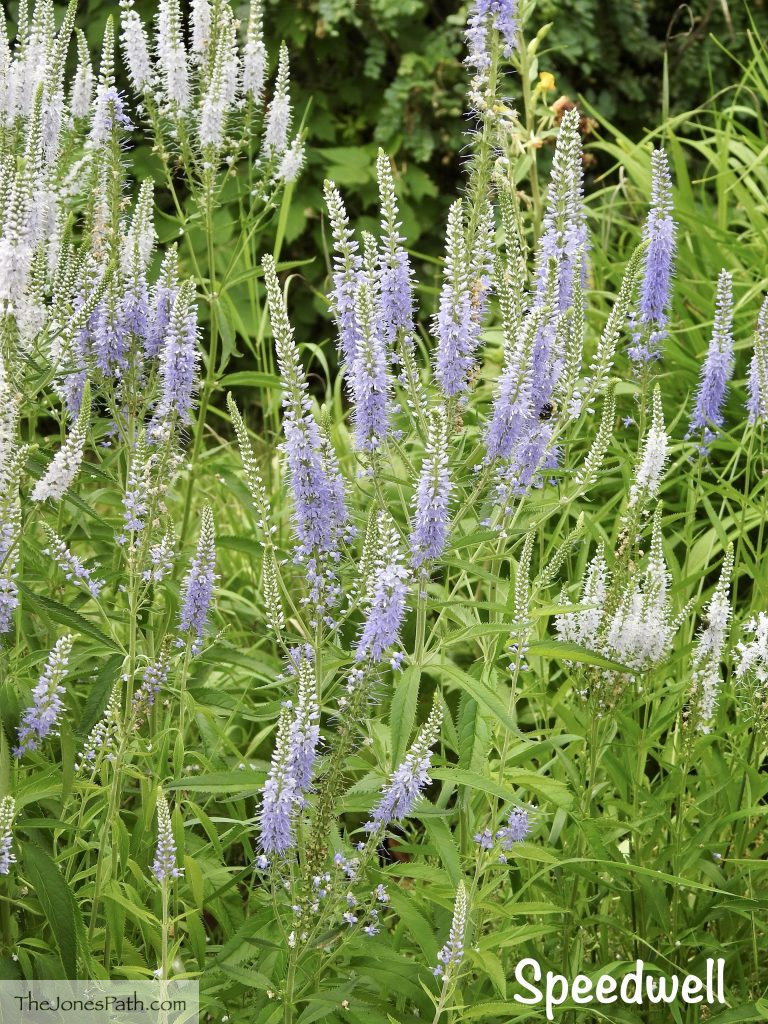
Wednesday we headed back into Regina to take a tour at the Saskatchewan Legislative Building, which was completed in 1911. At the time Premier Walter Scott took a lot of guff for building it so far from the city. Now it is right in the hustle and bustle, but the huge grounds along Wascana Lake create a large park and gardens that appear to get regular use by towns folk and visitors alike. Our guide, Ryan, was very informative and answered the many questions I had about the history of the building and system of government. We noted that the Queen’s picture is still on the wall above Speaker Todd Goudy’s seat in the Legislative Chamber. Ryan said that it will take years to get a portrait of the King, and many Canadians had issues with that particular change anyway. I told him that plenty of Americans were and still are in love with Queen Elizabeth, too. (She visited this capitol on July 23, 1959. Her parents, King George VI and Queen Elizabeth the Queen Mother visited in 1939, too.) After finishing up inside, we checked out the grounds, fountain (one of the originals from Trafalgar Square in England), garden, and Queen Elizabeth’s statue.
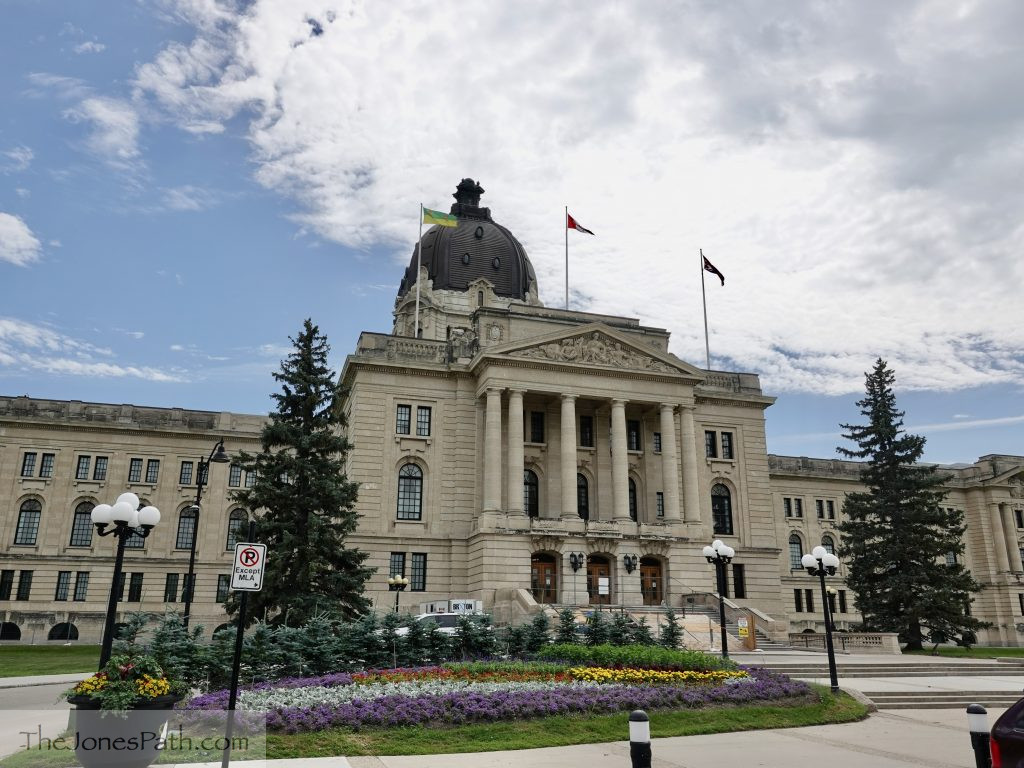
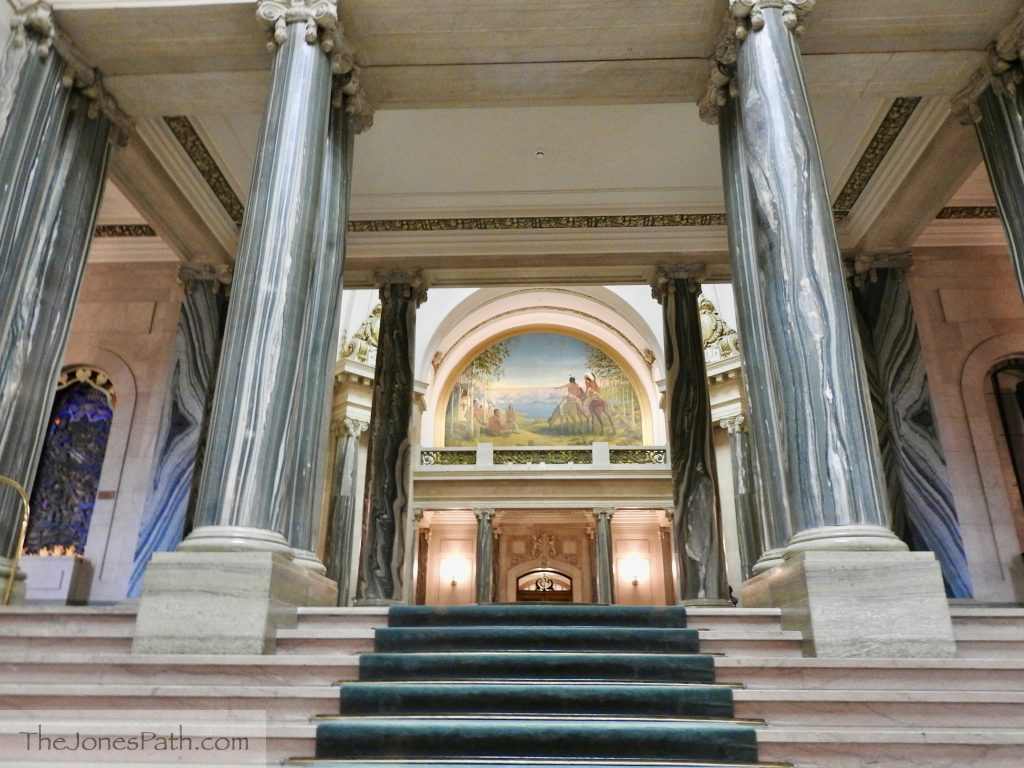
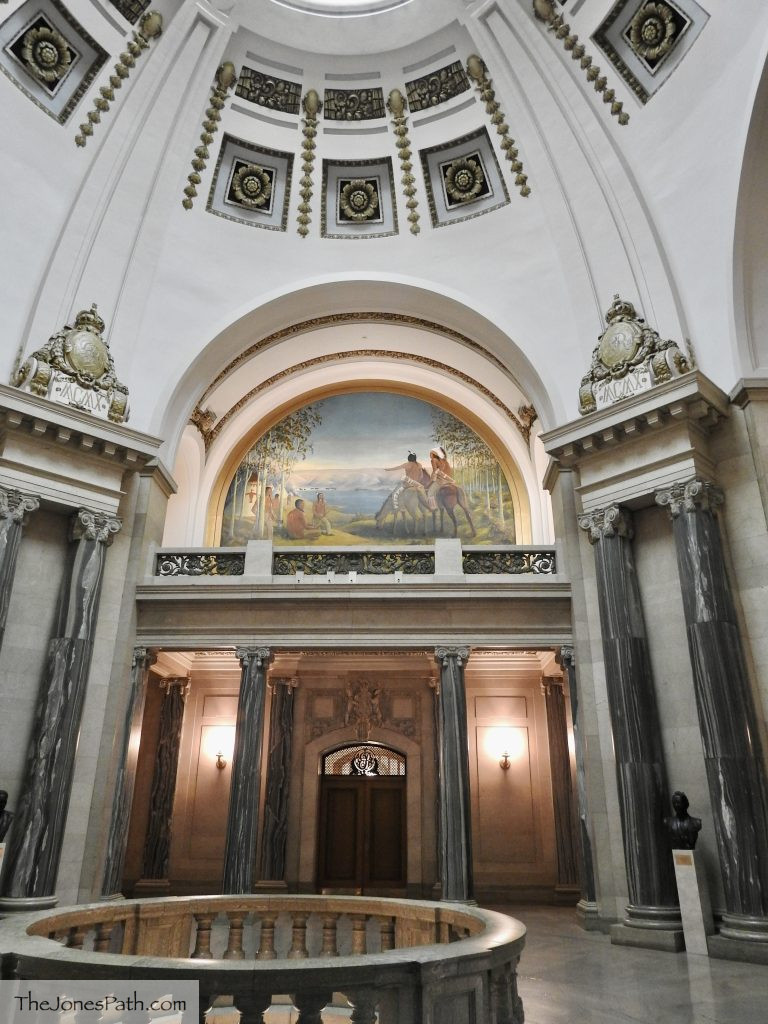
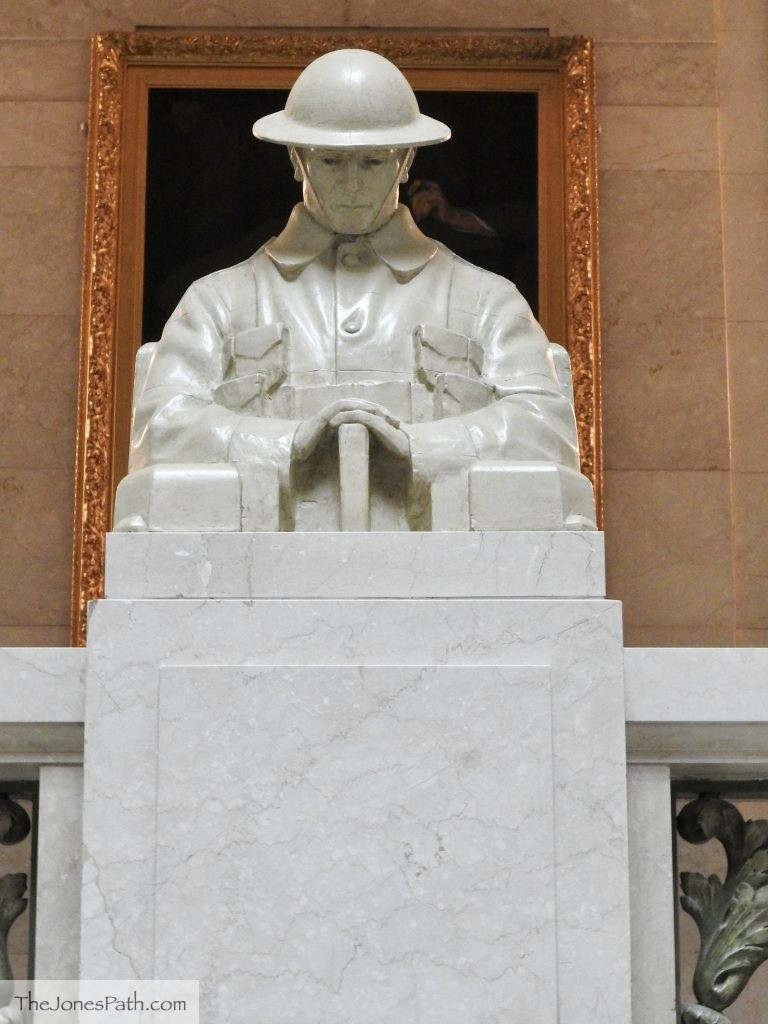

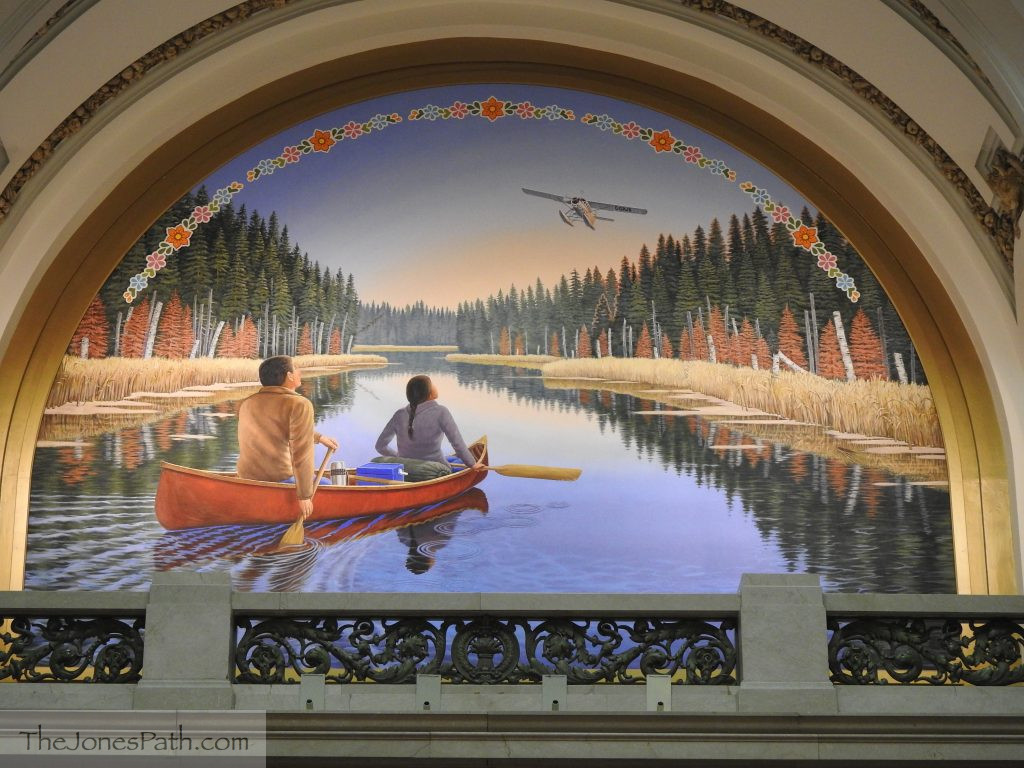
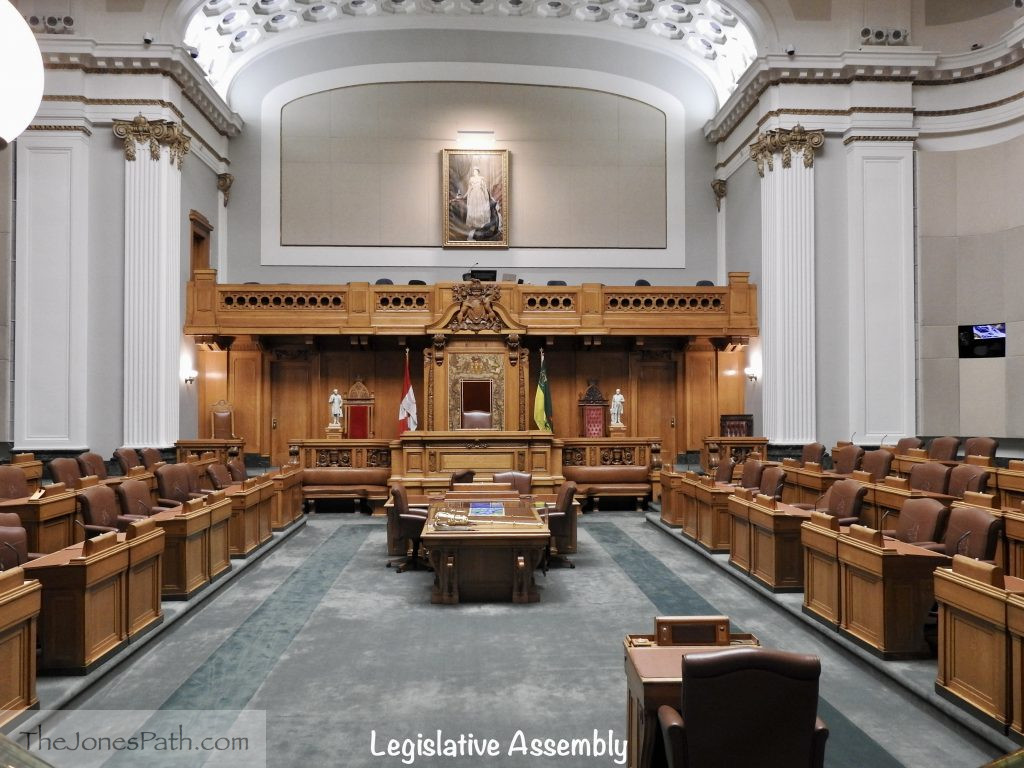
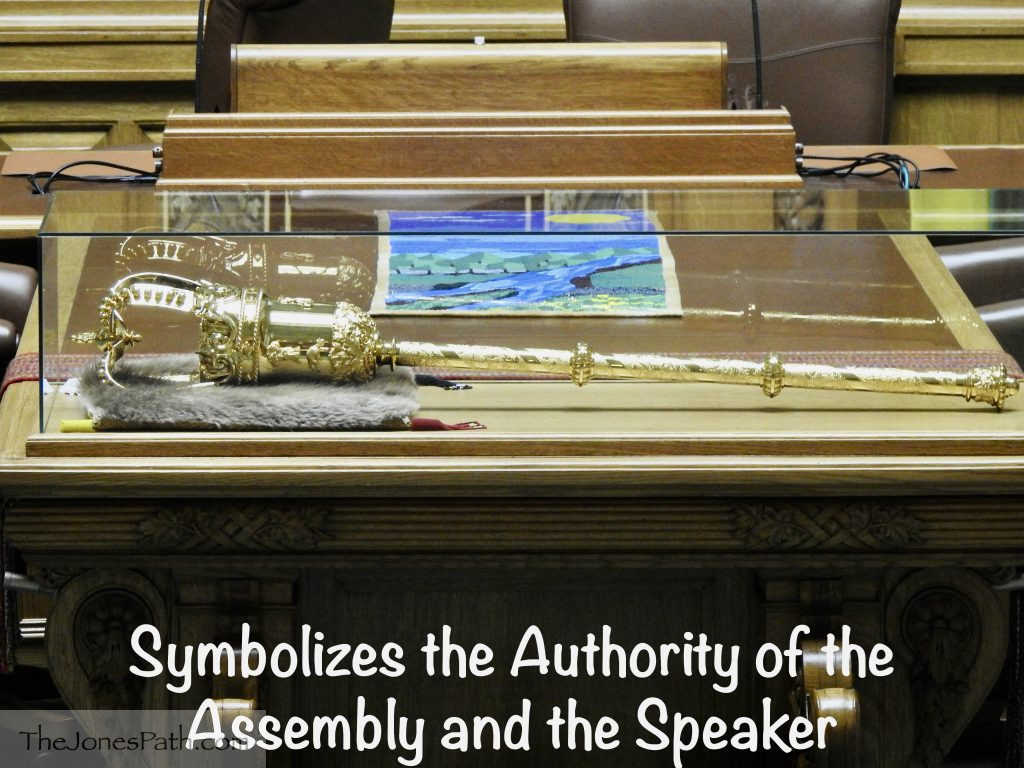
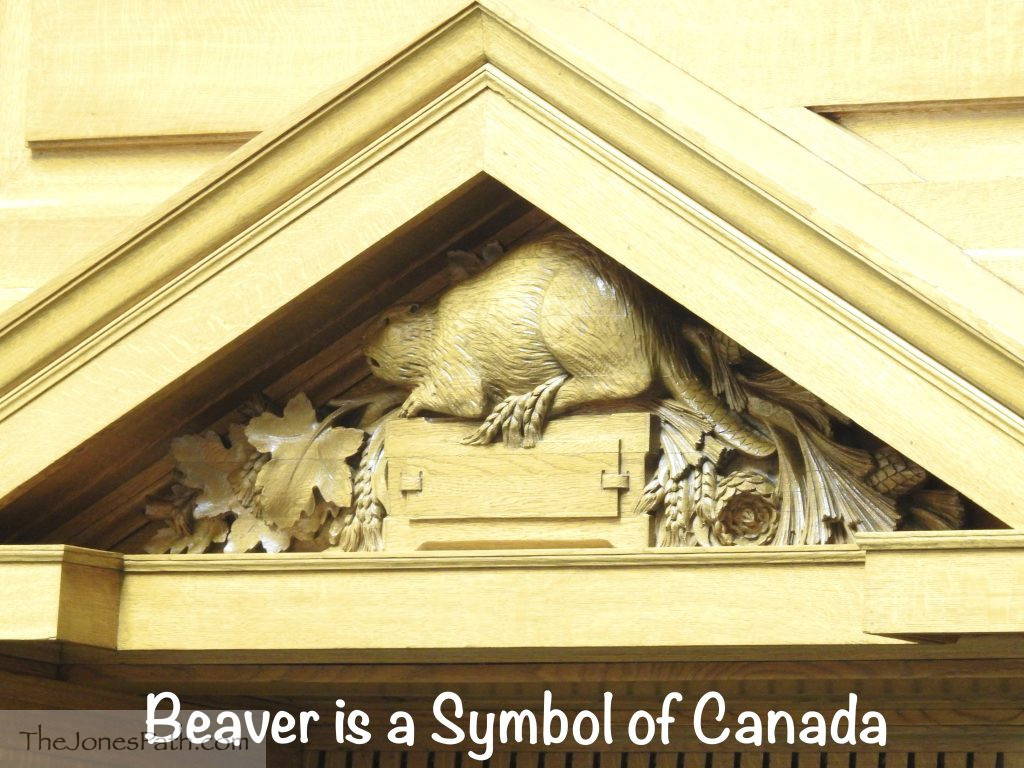


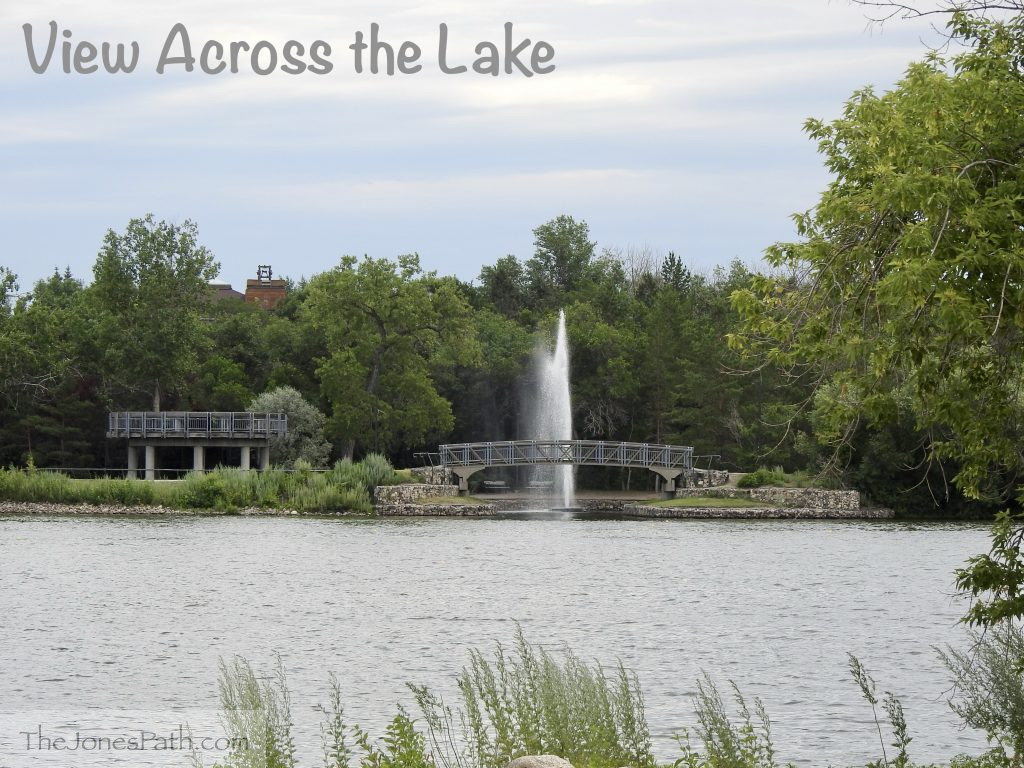
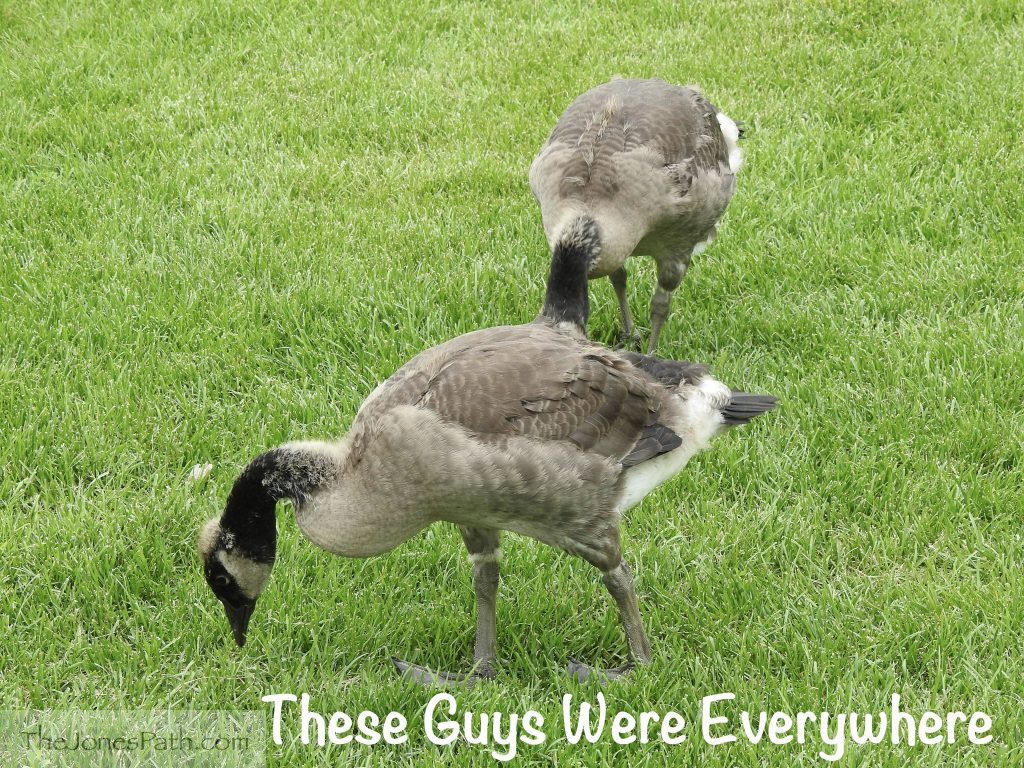

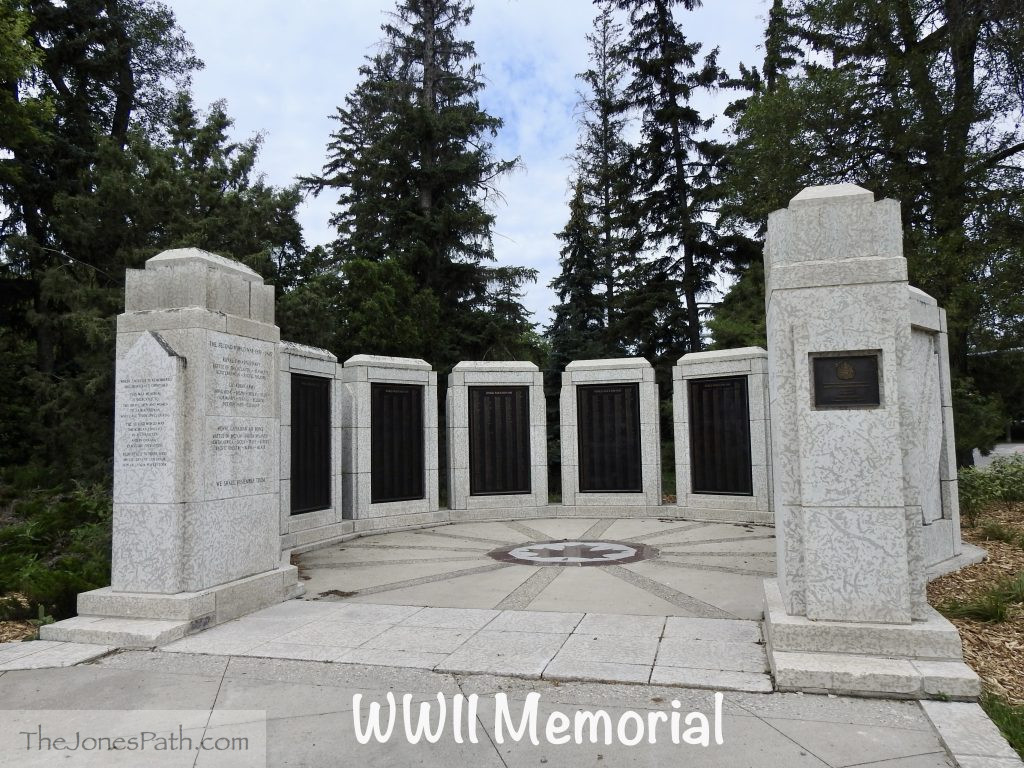
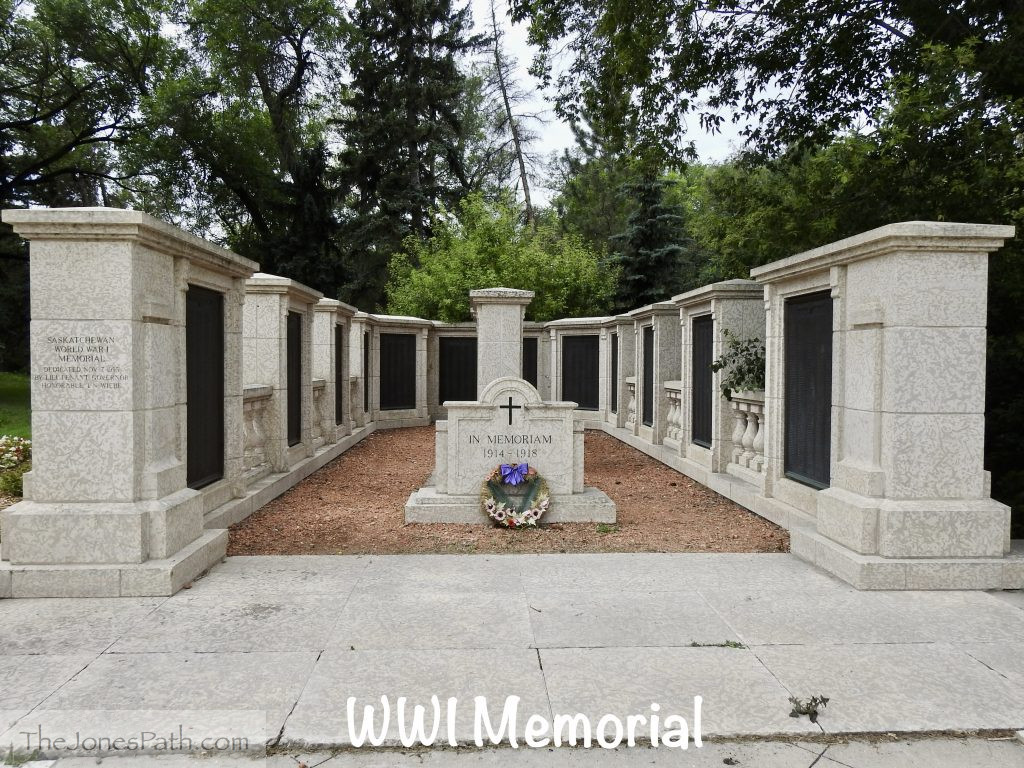

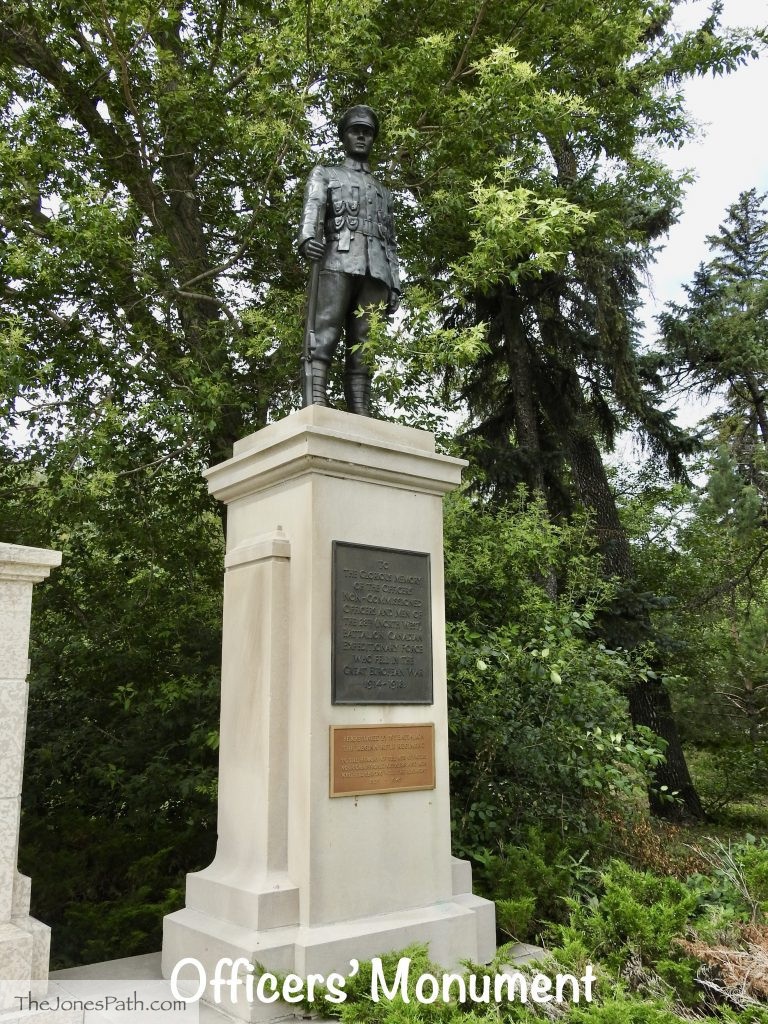
Lunch was at Wann Izakaya downtown, which we picked for the sushi I had been craving. It was okay, but they had a very limited menu that didn’t include any of the things I enjoy like smoked eel and soft-shell crab. So, craving not sated, and sushi on the menu again soon. On the way back we made another stop at Real Canadian Superstore for more serious groceries, then went home and relaxed.
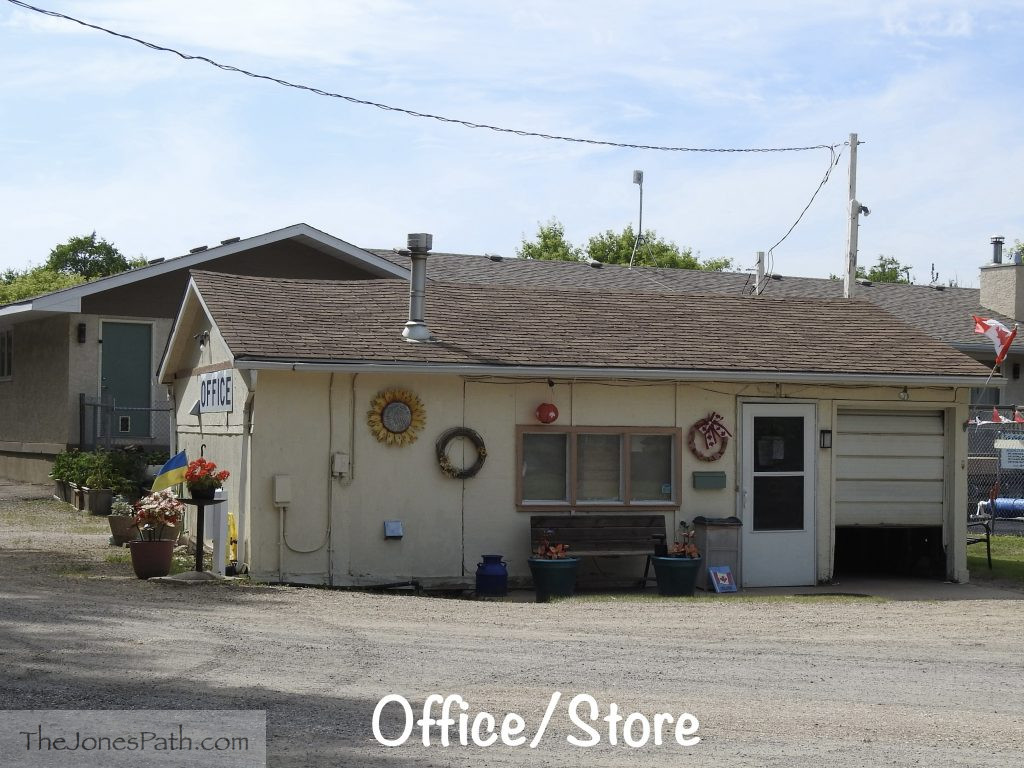
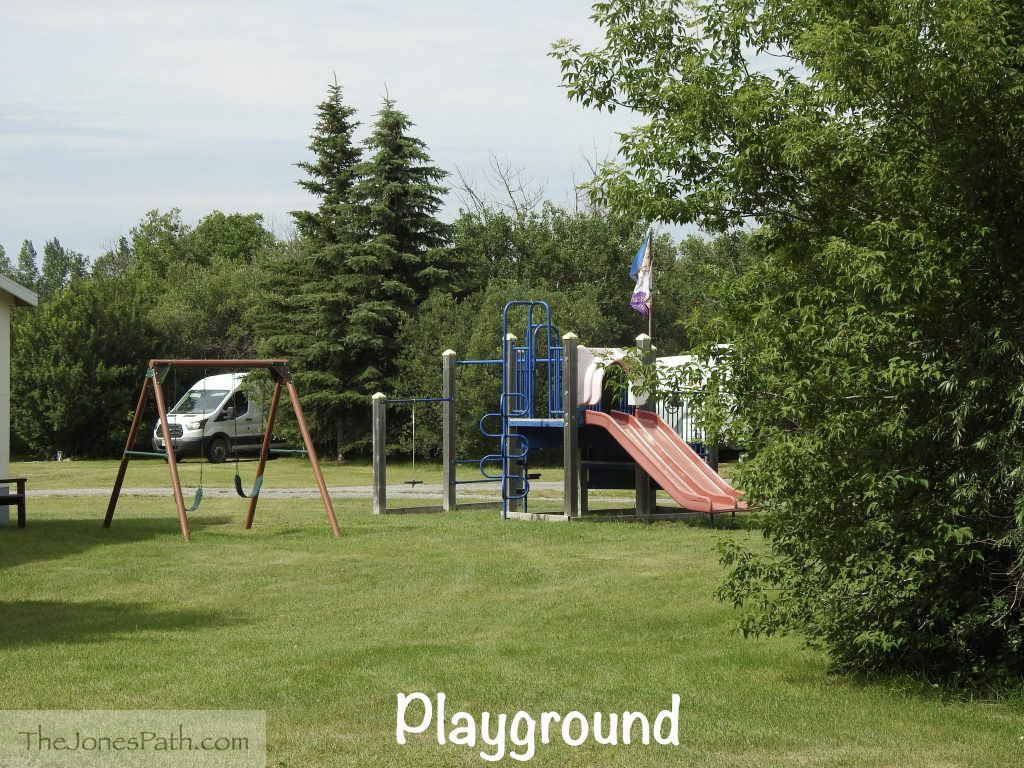
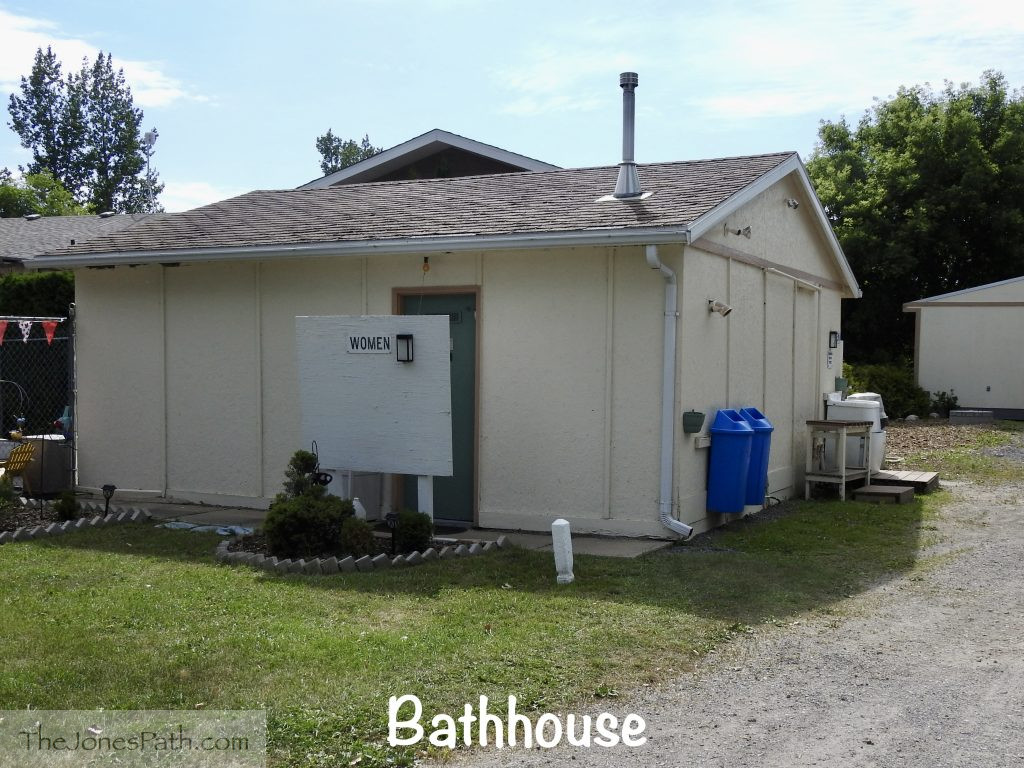
Comfort Plus Campground is a seasonal private park just east of Regina, Saskatchewan. Amenities include an office with small store, laundry, pool, event center/game room, playground area, dog walking area, and bathhouse. They advertise 4 full-hookup 50-amp, 34 full-hookup 30-amp, 5 electric and water only, and 5 primitive sites, all with picnic tables and fire rings. The ones in our area were plenty long and had some gravel, but I didn’t see the other sections. Our site was very narrow with a tree encroaching on the front section. I believe there were some over-the-air TV stations, and cell signals were good for Verizon and AT&T. The bathhouse was kept clean and the grounds were fine. Their water comes from a well, which they claim to test regularly and will show you proof, but the Canadian government makes them note that it is not potable because it is not chlorinated. We have a well at the barn, so had no issues drinking it and believe others were, too. All that said, we would NOT stay here again. You can see the full grouse below, but I would not trust them to give me what I actually reserved, which I find dishonest. I also believe, despite it not being an issue for us, the water situation should be disclosed when you make your reservation to allow those who don’t wish to drink it to make appropriate provisions. For this visit in July 2026, we paid just under $39 American per night for 3 nights.


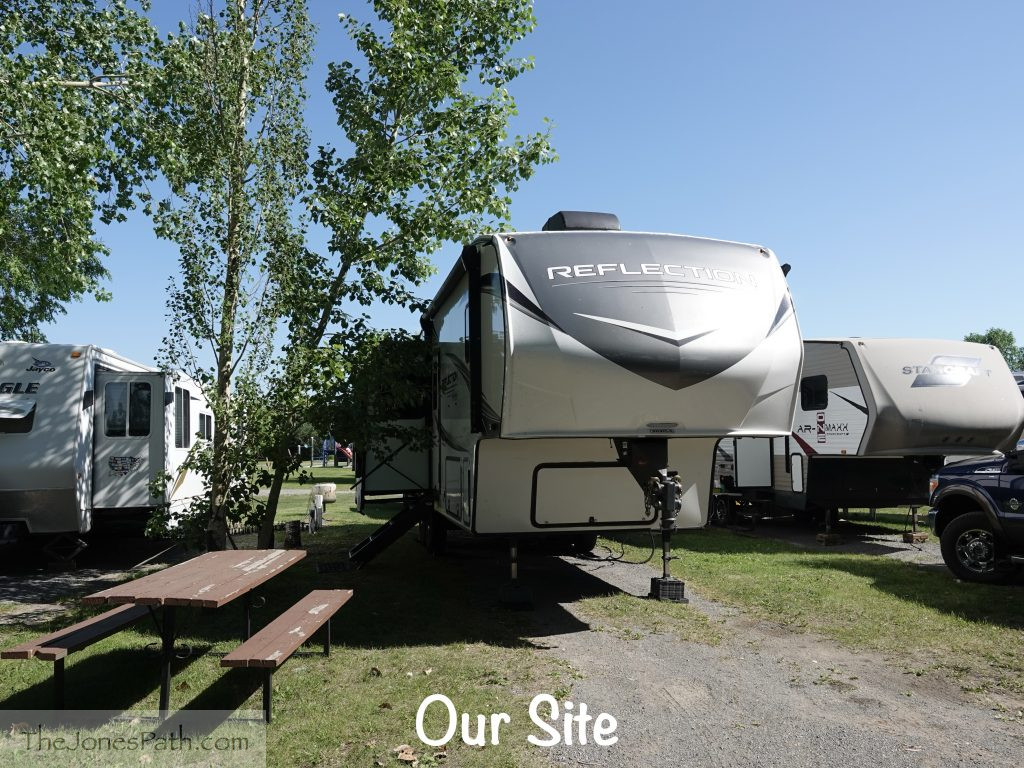
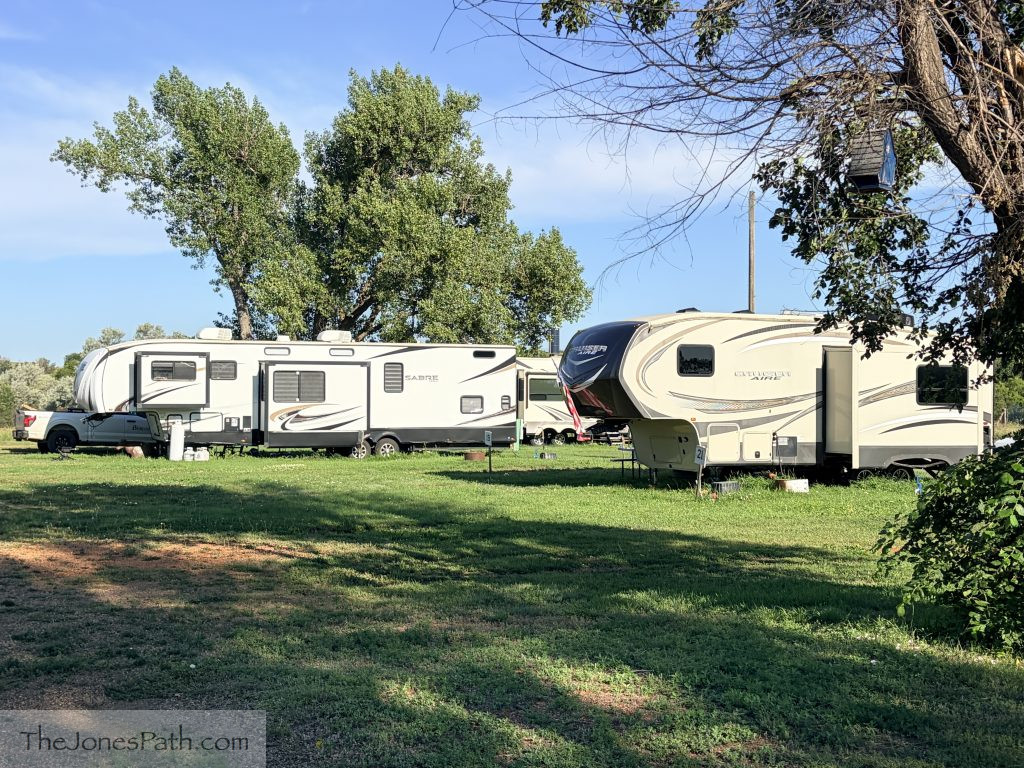
IRRITATION: Okay, here’s the grouse. In 9 years of traveling all over the country, there have only been a few times when we reserved one thing and arrived to another. Once it was a 30-amp site instead of a 50-amp, but that was truly a mistake, and the campground owner apologized and fixed it quickly. Another time we were to get a full-hookup, pull-thru, but the previous camper asked to stay longer. Instead of telling him that the site was already reserved, they moved us to a rather tight back-in site with a sewer hookup that we couldn’t reach due to a fence behind us. Not cool! This time, though, it was manipulation and deceit, pure and simple. We reserved a 50-amp, pull-thru site months ago when planning for this trip. A day before our scheduled arrival, I received a text from the owner saying “Unless you have 2 air conditioners, you only need 30 amp full service. Not sure that you need 50 amp which is more $ Please advise regarding the power.” Don’t most RVers know what they need for their rigs? I responded that we needed the 50-amp. When we arrived, she made a point of saying that I didn’t give her an answer about how many air conditioners we had and repeatedly said “But you are getting your 50-amp.” She also said that someone else made a reservation on the July 4th weekend and was coming “in one of those giant busses” on the day before we left, but she told him he could only have 30-amp until we left. Curious!? I felt like she was still trying to get us to give up the 50-amp, but it was hot as heck outside. When she took us to the site, I found out what she was dancing around. The sites were plenty long, but she stuffed us into one of the narrowest sites we’ve ever been in, plus it was 30-amp. Our neighbor, who was not happy about it either, had to actually move his picnic table and retract his awning so that I could pull Priscilla in, and then we had tree limbs right outside our door. For electricity, we had to run our line to the much larger, 50-amp site next door. THAT is where she was planning to park the “bus”. Now just to be clear, when we have our slides out, we are as wide as any bus out there, so that was little excuse. For the next three days, we had three different neighbors in the site we should have been parked in. Two were small travel trailers, while the last…the giant bus…was actually a toy hauler fifth wheel, which parked significantly closer to our door side than the small travel trailer in the pic above. So, despite the fact that we reserved our site way in advance, the owner chose to manipulate us instead of just telling the newer reservation the situation and figuring it out with him. To my way of thinking, we didn’t reserve 50-amps of electricity, we reserved a site with 50-amps, which tend to be larger. That particular one was at least 10′ wider and had really nice shade. I’m sorry, but the whole situation just ticked me off! Okay, I’ll hush now.
Well, that seems like a good place to stop. Or maybe I just need to cool off and clear my head! LOL. Next up…Saskatoon Berries, the Prairie Lily, and Maple Creek. See you on the path!
Talisa
Sources: Attraction brochures, guides, websites, and signage; BigSkyTreasures.com; and Wikipedia.
P.S. Thank you so much for reading! Use the buttons at the top right or bottom to be notified of new posts, and please SHARE, SHARE, SHARE on social media!







I had no idea about Mr Roosevelt, Thank you for History class 🤔. They just touched on a surface when I was In school… SMH! Anyway loved the new chapter miss your faces and send Blessings to stay covered always!! Love you my friend and your MW. 🥰😘🤲🙌🏻🕊️❤️. J🌻
I love Presidential Libraries. I learn so much! Miss you, too!